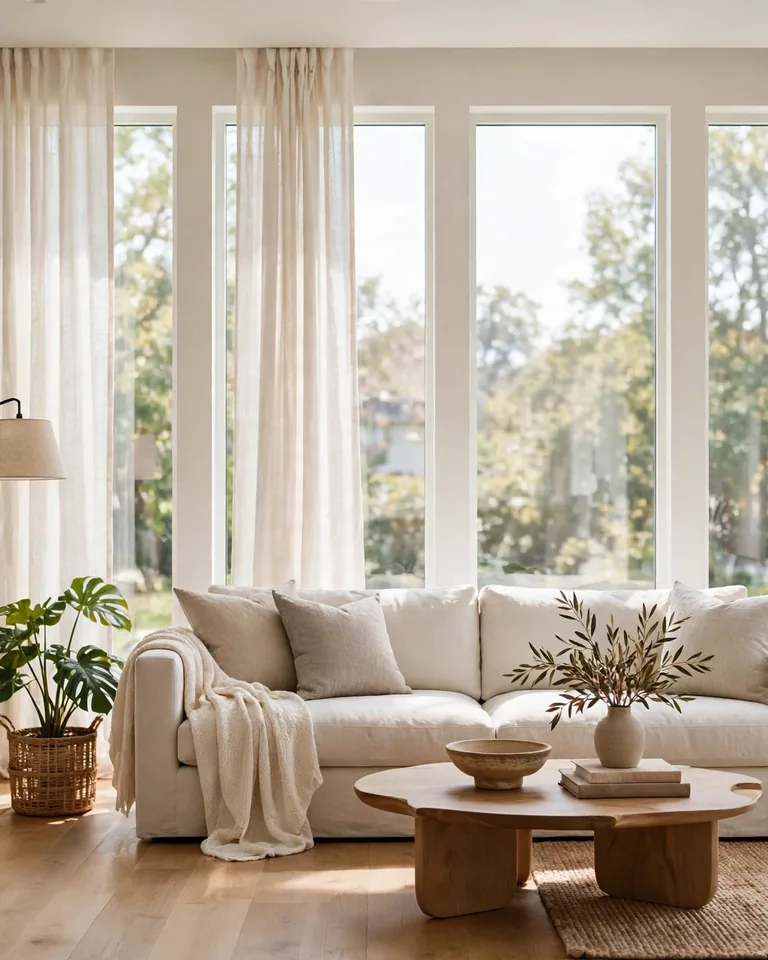
14 Ways to Cover a Doorway Without a Door (Renter-Friendly to Architectural)
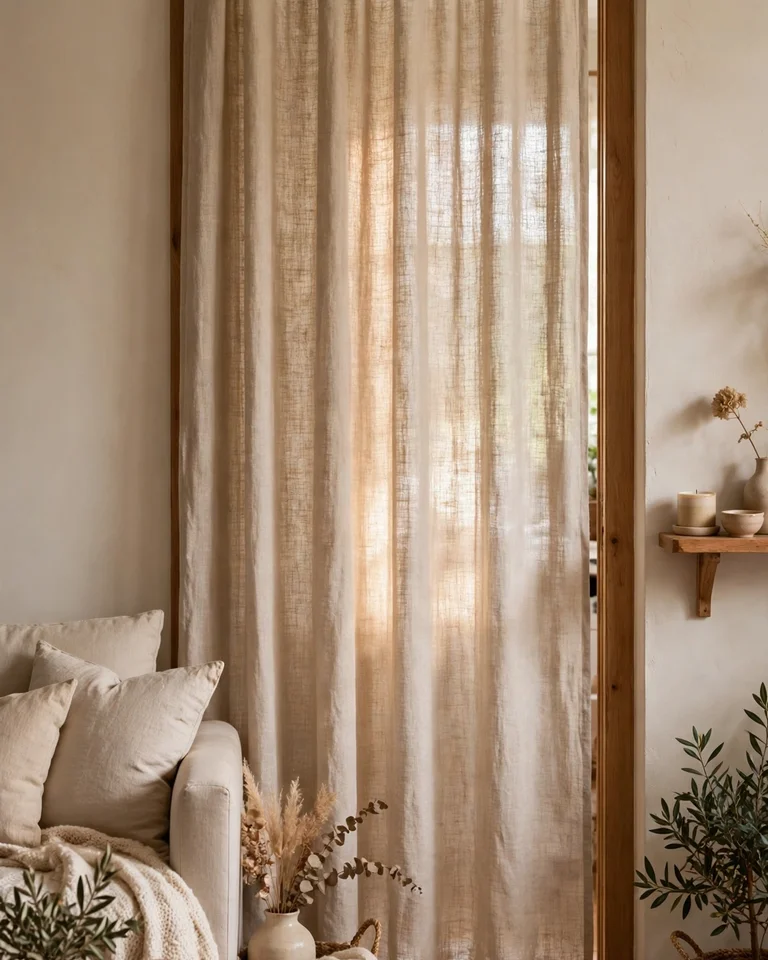
An open doorway does not need a traditional swing door to feel finished. The best way to cover a doorway without a door depends on one question: do you need privacy, warmth, light control, or just a softer-looking transition between rooms? A heavy curtain solves a bedroom privacy problem, a beaded curtain only softens a view, and a folding screen works only if nobody keeps bumping into it. Match the cover to the job first, and the doorway starts looking intentional instead of unfinished.
Before you buy anything, measure the opening — width, height, and how much clear wall or floor space sits on either side. Curtains need extra width so the fabric gathers instead of hanging flat, panel tracks need stacking space, and freestanding screens need floor depth to stand safely. Also check the traffic: a cover you have to lift, roll up, or walk around every time gets old fast in a busy hallway, while the same idea is perfect for a closet you open twice a day.

How to Choose the Right Doorway Cover
Start with the need, not the look. For real privacy, choose something opaque and full-length: a blackout curtain, a magnetic insulated curtain, a panel track, or an accordion partition. For drafts and warmth, lined or thermal fabric that reaches the floor and extends past the frame on both sides does the most good. For light and airflow, pick a slatted divider, reeded glass, beads, or plants — and accept that you are getting a visual filter, not a barrier.
Renters should start with no-drill options: a tension rod, a folding screen, or a bookcase. Homeowners with a wide or arched opening get the most from a ceiling track or a sliding panel system, which can span a width a single rod cannot. And if sound matters — a home office next to a living room, for example — go dense and layered, but know the honest limit: fabric softens voices and echoes, it does not soundproof a room the way a solid, sealed door would.
1. Hang a Curtain on a Tension Rod

This is the fastest, cheapest, and most renter-friendly way to cover a doorway without a door. A spring-loaded tension rod wedges inside the frame with no screws, no brackets, and no holes to patch later, and you can take the whole thing down in a minute. It suits standard-width openings best, since tension rods have weight limits.
Tip: Choose a panel slightly wider than the opening so it gathers, and pick an opaque or blackout fabric if you want actual privacy rather than a sheer hint of separation. Keep heavier drapes off tension rods — save those for a mounted rod or track.
2. Run a Ceiling-Track Curtain Floor to Ceiling
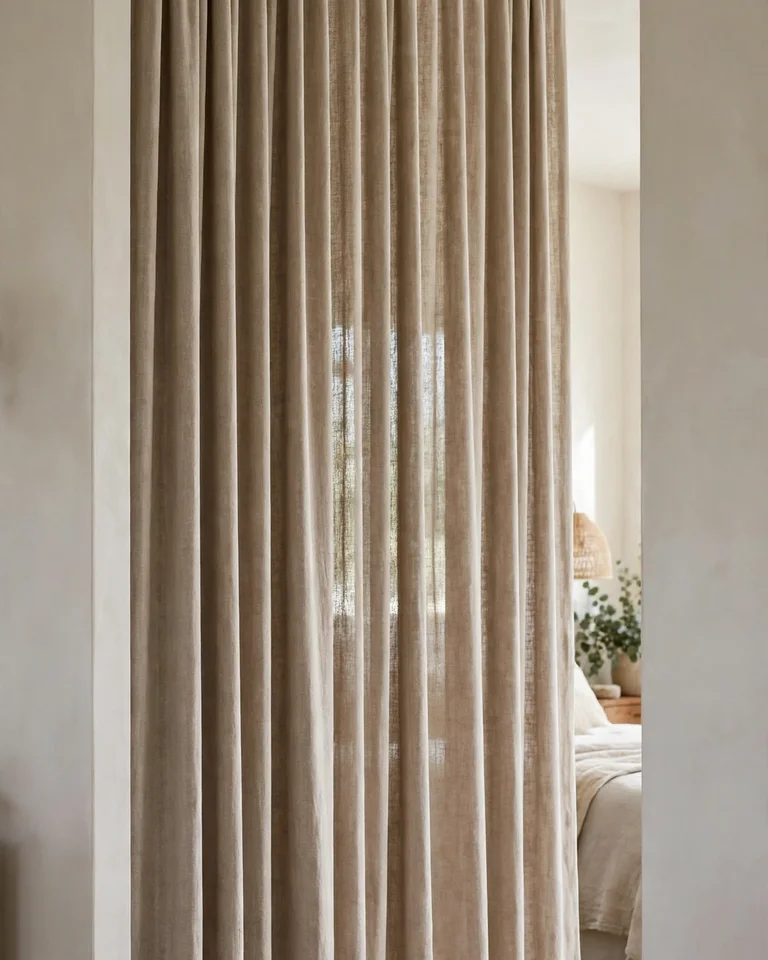
A ceiling-mounted track makes a doorway cover look built in rather than improvised. The fabric runs nearly from ceiling to floor, which makes the room feel taller and closes the gaps that a short rod leaves above and beside the opening. It also handles wide and arched openings that a single rod cannot span gracefully.
Tip: Hang one panel to stack on one side, or two panels that meet in the middle. Anchor the track into framing or use anchors rated for your ceiling material, especially with heavier fabric.
3. Use a Heavy Blackout or Velvet Curtain

When the doorway leads to a bedroom, nursery, or media room, weight is the whole point. Thick velvet or lined blackout panels block the view completely, cut more light than any sheer option, and soften sound better than thin fabric. Lined panels also help hold warmth in a room, since drawn draperies reduce heat loss through an opening compared with leaving it bare.
Tip: Mount the rod above the frame and let the panel extend past the frame on both sides and all the way to the floor. Gaps at the edges are where light, drafts, and sound leak through. If you are also rethinking window treatments, these ways to cover windows without curtains pair well with the same layered approach.
4. Try a Magnetic Insulated Curtain
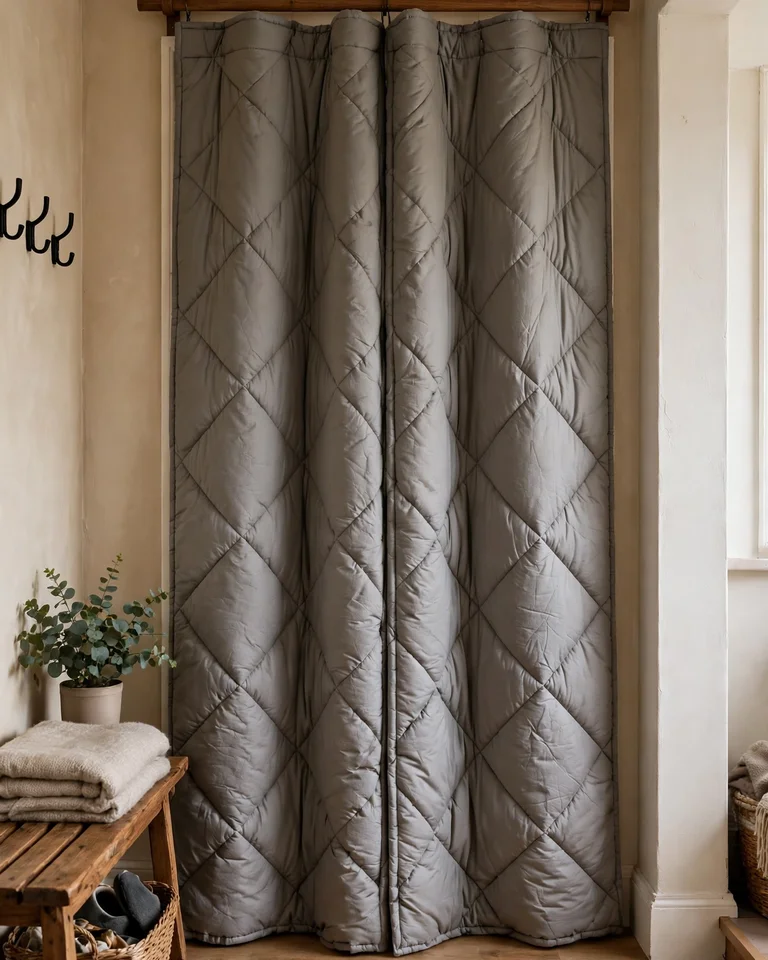
A magnetic curtain closes itself. Magnets down the center seam part as you walk through and snap back together behind you, so the opening is never left gaping — a real advantage when your hands are full or when kids keep forgetting to close a curtain. Most versions attach with hook-and-loop strips around the frame, and insulated styles add a padded layer that helps with drafts.
Tip: Measure carefully and choose a neutral fabric finish, since many magnetic curtains are designed for function first. Make sure the bottom of the curtain clears the floor cleanly so it never becomes a tripping hazard.
5. Install Sliding Fabric Panel Tracks
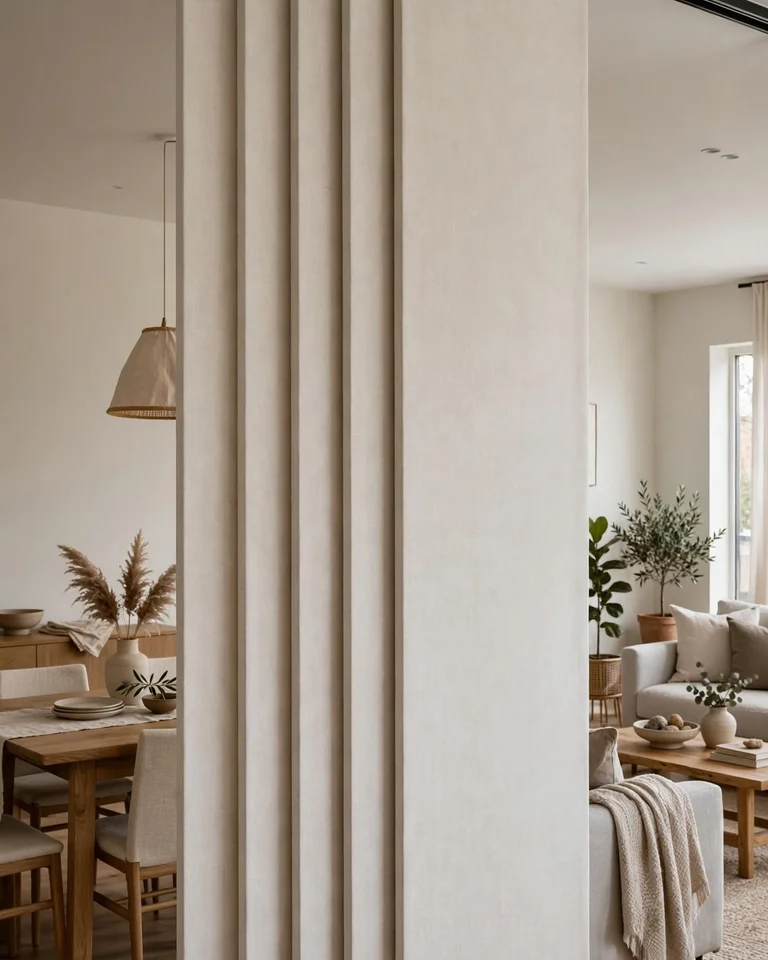
Panel tracks give you the softness of fabric with a much tidier, more architectural look than a gathered curtain. Several flat panels glide along a ceiling- or wall-mounted track and overlap slightly when closed, then stack compactly to one or both sides when open. Because each panel hangs flat, patterns and woven textures stay visible instead of disappearing into folds.
Tip: Check the stacking space beside the opening before you order. If there is no clear wall on either side, split the panels between both ends so the open doorway is not half-blocked.
6. Fit a Retractable Accordion Partition
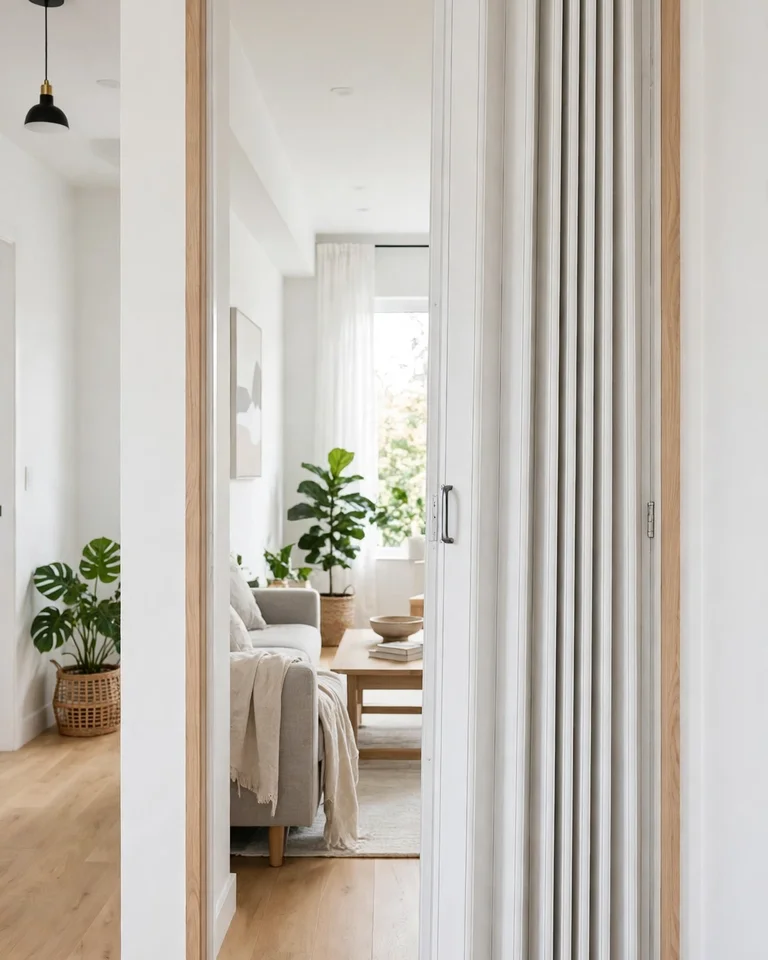
An accordion partition is the closest thing to a real door on this list without actually installing one. Connected panels slide along a top track and fold into a narrow stack when you want the opening clear, so it never has to be lifted out of the way. Fabric and vinyl versions are lighter and cheaper; rigid finishes look closer to built-in millwork.
Tip: This is one of the more involved installs, since the track must run straight and level. Confirm the folded stack width first, so it does not eat more of the walkway than you expected.
7. Hang a Wooden Beaded Curtain

Strands of wooden beads turn a doorway into a moving, textured screen. They filter the view, let light and air pass freely, and add a warm, handmade rhythm that suits rooms already layered with timber, woven baskets, or natural fibers. They are also cheap, easy to hang, and easy to swap when your taste changes.
Tip: Treat beads as decoration, not privacy. They block no sound and little sightline, so keep them for living-to-dining transitions and out of bedrooms and bathrooms. For more greenery-led transitions, see these greenery bedroom ideas for how plants can soften a threshold the same way.

8. Knot a Macramé Panel

A macramé panel is the softer, more crafted cousin of a beaded curtain. Knotted cotton cord creates a semi-sheer textile screen with real visual weight, and it works beautifully in relaxed, bohemian, or cottage-style rooms where texture already does a lot of the decorating. You can buy one ready-made or knot a simple design yourself from craft-store cord.
Tip: Let the panel echo other textures in the room — linen bedding, a woven rug, rattan lighting — so it reads as part of the decor rather than a lone craft project hanging in a doorway.
9. Use Japanese Noren Panels

Noren are short, split fabric panels traditionally hung in Japanese doorways, and they are one of the most graceful ways to mark a threshold without closing it. The split down the middle lets you pass through without pushing fabric aside, and the short length keeps the lower half of the opening open and bright. They suit kitchens, closets, and relaxed interiors especially well.
Tip: Hang noren from a slim rod inside the frame and keep the pattern quiet — a simple stripe, solid linen, or subtle motif — so the panels feel calm rather than busy. They give soft separation, not privacy.
10. Mount a Roll-Up Woven Bamboo Shade
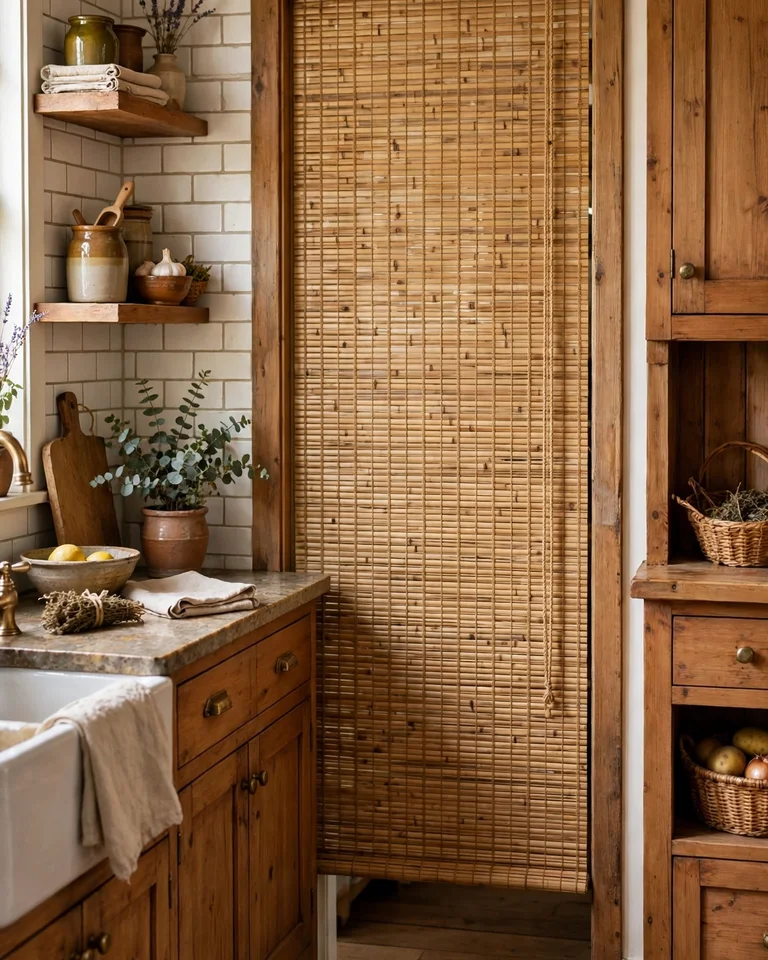
A woven bamboo or reed shade adds warmth and texture while completely hiding whatever sits behind it when lowered. Mounted above the opening, it rolls up into a compact bundle when you want the space open, leaving the floor and sides of the doorway clear. That makes it ideal for closets, pantries, and storage alcoves.
Tip: Skip this one for a busy walkway — raising and lowering a full-length shade every time you pass through gets tedious fast. If the weave is too open, add a privacy liner behind it, and choose a cordless design or secure cords safely in homes with children or pets. For more closet styling, browse these closet inspo ideas.
11. Place a Folding Screen in Front

A folding screen hides an open doorway in minutes with nothing attached to the walls at all. Cane, rattan, and woven panels let some light and air through, while upholstered or solid wood panels give more coverage. A four-panel screen usually covers better than a narrow three-panel one, and it folds flat for storage when the room changes.
Tip: Set the screen slightly in front of the opening and angle the panels for stability rather than centering it tightly inside the frame. In a busy walkway, choose a wider, sturdier screen — a lightweight one tips too easily.
12. Build a Vertical Wood Slat Divider

Vertical wood slats turn a plain opening into an architectural feature without closing the rooms off from each other. The repeated lines partially screen the view while daylight and airflow keep moving through, which is exactly right for an entryway, dining zone, or open-plan passage where you want definition, not isolation. A freestanding slatted divider with a stable base gives renters the same look with no installation.
Tip: Match the wood tone to existing floors or furniture so the divider reads as part of the room. Rotating-slat designs add control: angle them closed for more screening, open for a clear view.
13. Fit a Reeded Glass or Acrylic Panel

Reeded glass — or its lighter, shatter-resistant cousin, reeded acrylic — is the best option when you want privacy and light at the same time. The ribbed surface blurs the view into the next room while daylight still passes through, and a slim framed panel looks deliberate and modern. It works especially well for a home office, dressing area, or bathroom-adjacent opening.
Tip: Keep the surrounding decor calm, since the ribbed texture and frame already carry strong lines. If you want the same light-filtering logic at windows, these window treatment ideas and bay window curtain ideas show how sheer and textured layers work together.
14. Frame the Opening With an Open Bookcase

Sometimes the smartest cover is not a cover at all, but a frame. Shelving that runs around the opening — or a bookcase set beside it — makes the passage feel deliberate and gives you storage and display space at the same time. The doorway stays fully usable, but it stops looking like an empty hole in the wall because the architecture around it now has a purpose.
Tip: Leave breathing room on the shelves. A bookcase crammed edge to edge turns a thoughtful frame into visual clutter, and you need clear space around the passage so nobody brushes against books and objects walking through.
Final Thoughts
The doorway cover that works is the one that matches how the room is actually used. A bedroom needs opaque, floor-length fabric. A rental needs a tension rod or a screen. A wide opening needs a track or panels. A closet needs a shade you can roll up and forget. Pick for privacy, warmth, light, and traffic first — then choose the material and color that already belongs in your room, and the opening will finally look like it was meant to be there.
Frequently Asked Questions
What is the cheapest way to cover a doorway without a door?
A tension rod with a bed sheet or shower curtain is the cheapest option — it needs no tools and leaves no holes. For a little more style on the same small budget, try a beaded curtain or a simple knotted macramé panel made from craft-store cord.
Can you cover a doorway without drilling?
Yes. A spring-loaded tension rod wedges inside the frame and holds curtains, a quilt, or a light rug with no hardware at all. A freestanding folding screen or a bookcase needs no mounting either, and all three come down just as easily when you move.
How do you soundproof a doorway with no door?
Hang the densest, heaviest material you can: layered blackout curtains, a thick quilt, or a loaded bookcase will soften voices and echoes far better than beads or sheer fabric. Seal gaps along the edges and floor too, since sound leaks through any opening — but no fabric cover will fully soundproof a room the way a solid, sealed door can.
How do I keep heat in a room without a door?
Use a thermal or insulated curtain with a thick, lined backing, mount the rod above the opening, let the panel run past the frame on both sides, and make sure it reaches the floor so warm air cannot slip around the edges. Heavier fabric holds more warmth than a thin panel.
What covers a wide doorway best?
A ceiling track with floor-to-ceiling curtains or a sliding fabric panel system works best for wide openings, since both can span the full width and stack neatly to the side when open. An accordion partition is another strong option for openings used every day.