14 Window Treatment Ideas That Make Any Room Look Finished
A window treatment is anything you put on or around a window to control light, privacy, heat, and the way the room looks — curtains, shades, blinds, shutters, or even a simple film on the glass. The best choice always starts with the room: a bedroom needs darkness, a living room needs flexible daylight, and a bathroom needs privacy that survives steam.
This guide walks through 14 window treatment ideas worth considering, grouped by how they actually behave in a real home. Each one covers what it is, why it works, where it fits best, the honest trade-offs, and one practical tip so you can get it right the first time.

Floor-to-Ceiling Linen Drapes
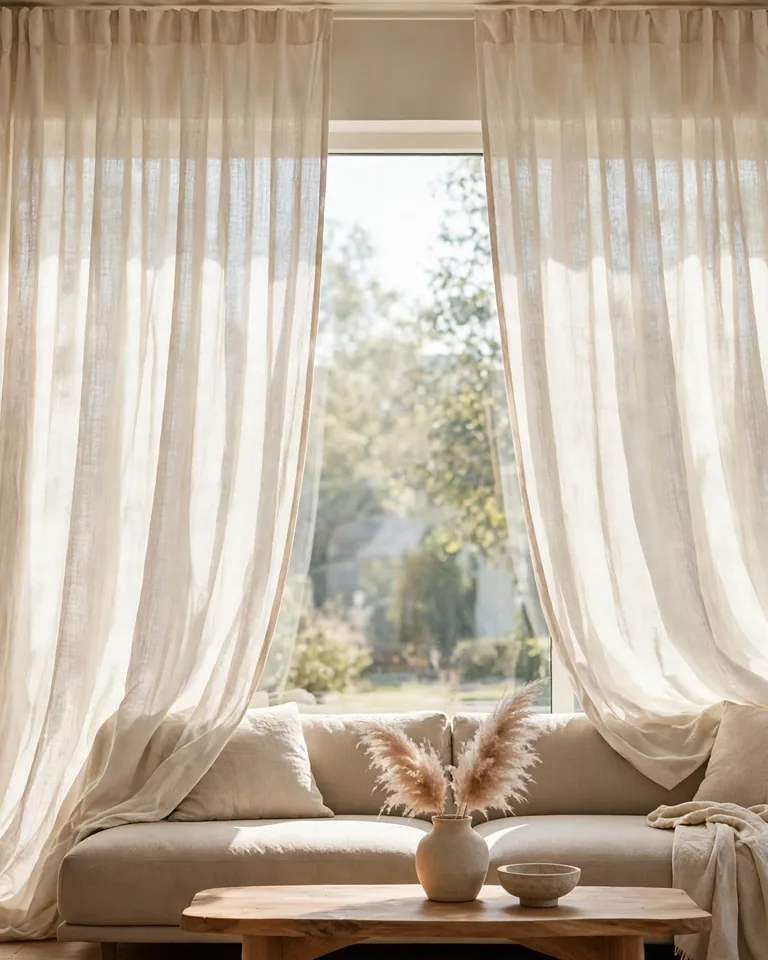
Long linen curtain panels hung from a rod mounted close to the ceiling are the single fastest way to make a room feel finished. The vertical lines draw the eye upward, which makes ceilings feel taller and windows feel larger than they are — especially helpful in rooms with standard eight-foot ceilings.
Linen works because it is relaxed but structured: it filters a little light while still showing soft folds, and its natural texture suits everything from coastal to modern farmhouse rooms. The trade-off is maintenance. Linen wrinkles, fades in harsh direct sun, and offers almost no privacy on its own after dark. It also needs enough fabric — panels should be roughly twice the window width when closed to form real folds instead of lying flat.
Practical tip: mount the rod 4 to 6 inches above the window frame and extend it 8 to 12 inches past the frame on each side. That way the panels stack against the wall when open instead of covering the glass, and you get maximum daylight plus the illusion of a wider window.
Layered Sheers and Blackout Panels
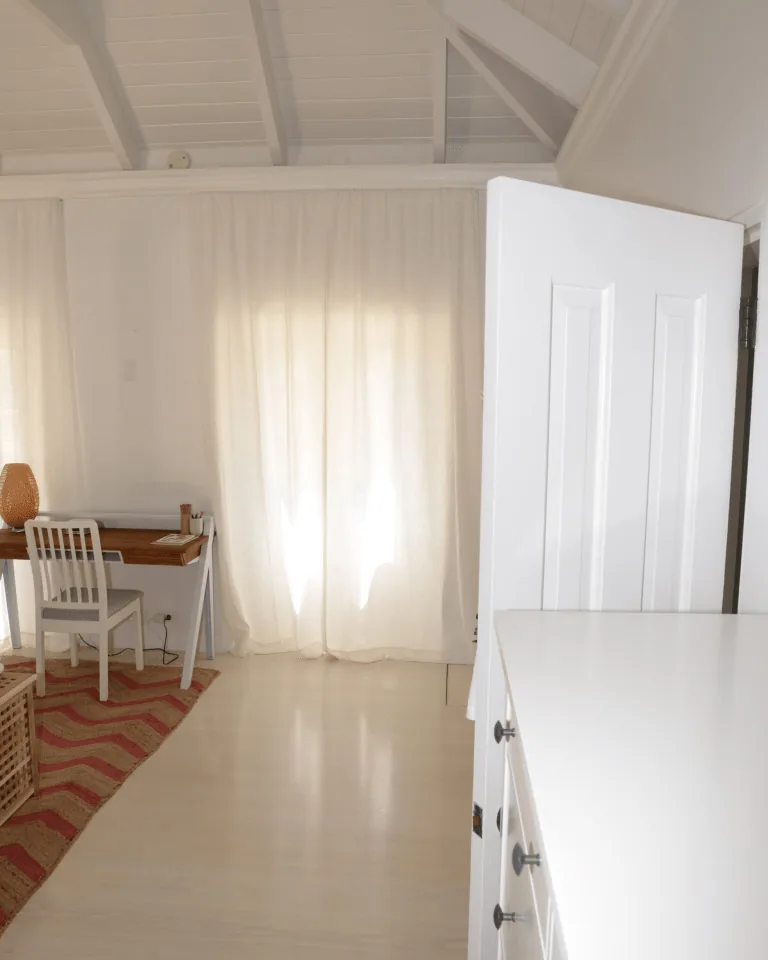
Layering solves the most common window dilemma: you want soft daylight during the day and real darkness and privacy at night, and no single fabric does both well. A sheer layer closest to the glass softens daylight and keeps the window from looking bare; a heavier blackout panel on an outer rod or track closes for sleep and evening privacy.
This pairing is ideal for bedrooms and street-facing living rooms. Keep in mind that sheers alone are not a reliable privacy solution after dark — once your lamps are on, the room becomes brighter than the yard and the sheer turns see-through from outside. The blackout layer fixes exactly that, as long as you actually close it.
Practical tip: use a double rod or two separate tracks so each layer moves independently. For the blackout layer, choose a rod that wraps back to the wall or add side returns — light leaking around the edges is the most common reason blackout curtains “don’t work.”
Tailored Roman Shades
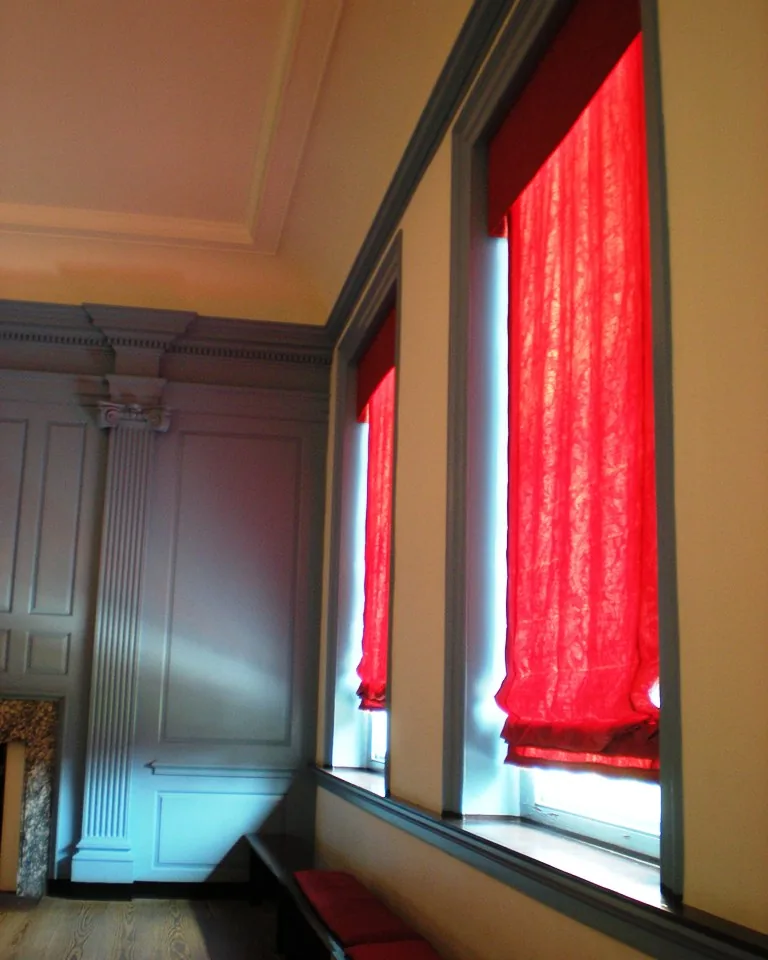
Roman shades are fabric shades that fold into neat horizontal pleats as they rise. Lowered, they read as a smooth, tailored panel; raised, the folds stack into a soft valance-like band at the top. They bring the softness of fabric to windows where full-length curtains would feel heavy or get in the way — dining rooms, small bedrooms, and windows above furniture.
They sit between curtains and roller shades on effort: more elegant than a flat roller, less fabric and fuss than drapery. The main trade-offs are the raised stack, which can cover the top several inches of glass, and cleaning — most fabric shades need occasional vacuuming with a brush attachment, and grease-prone kitchen versions should be wipeable.
Practical tip: measure the raised stack depth against your window before ordering. On short windows, a deep stack can eat a third of the glass. An outside mount hung above the frame lets the stack clear the glass entirely.
Woven Wood Shades

Made from bamboo, grasses, reeds, or matchstick-style woods, woven wood shades add organic texture that flat fabric can’t. They filter sunlight into a warm, dappled glow and look especially good alongside wood furniture, plants, and neutral textiles — the natural-fiber look ties a room’s materials together.
On their own, though, most woven shades are light-filtering at best: the weave has tiny gaps, so they give daytime privacy but not nighttime privacy or blackout. The fix is a liner — a privacy or blackout lining added to the back — which makes them work in bedrooms and street-facing rooms too. Add the liner when you order; retrofitting is harder.
Practical tip: because the materials are natural, colors vary from shade to shade. If you’re covering multiple windows in one room, order them together from the same batch so the tones match.
Cellular (Honeycomb) Shades
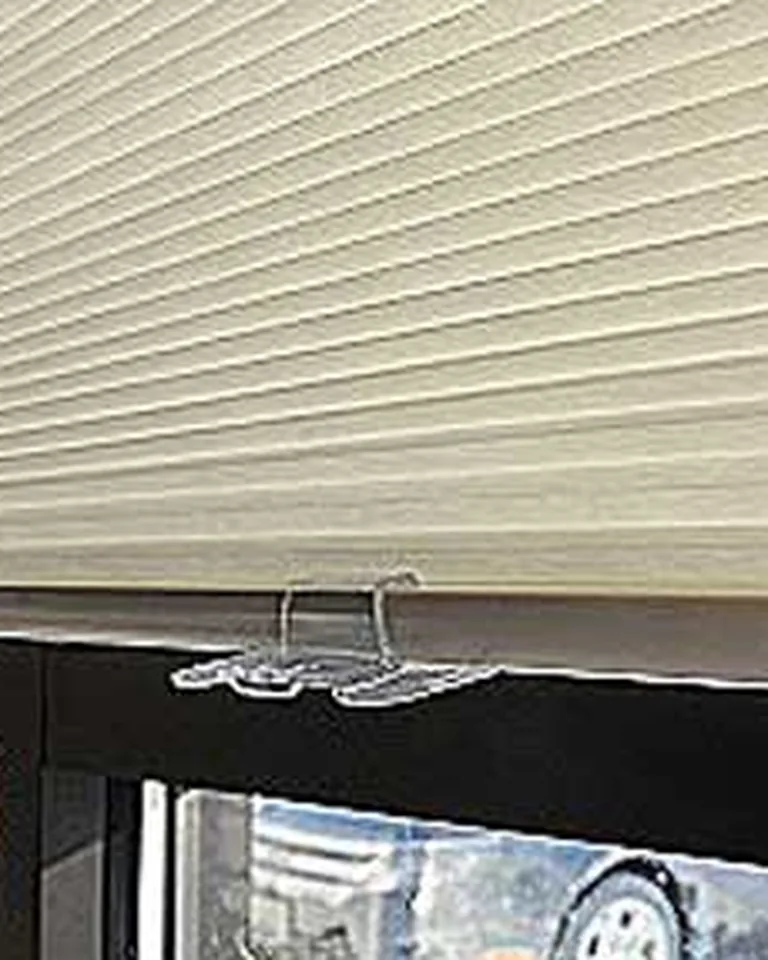
Cellular shades get their name from the honeycomb-shaped air pockets in the fabric, and those pockets do real work: they trap air at the window, making this the most energy-efficient common shade type. If your windows are drafty or a room runs hot in summer and cold in winter, cellular shades are the practical pick that also looks clean and modern.
They come in sheer, light-filtering, and blackout fabrics, and a top-down/bottom-up version lets you lower the shade from the top — privacy at the bottom, daylight streaming in above. That single feature solves the street-facing bedroom problem better than almost anything else. The downside is mostly aesthetic: the look is crisp and minimal, so it adds less softness or drama than drapery.
Practical tip: for the biggest insulation gain, choose a double-cell construction and mount it inside the frame as snugly as possible — air gaps around the edges undercut the insulating effect. If you are covering windows without curtains, a cellular shade is often the cleanest curtain-free option.

Plantation Shutters
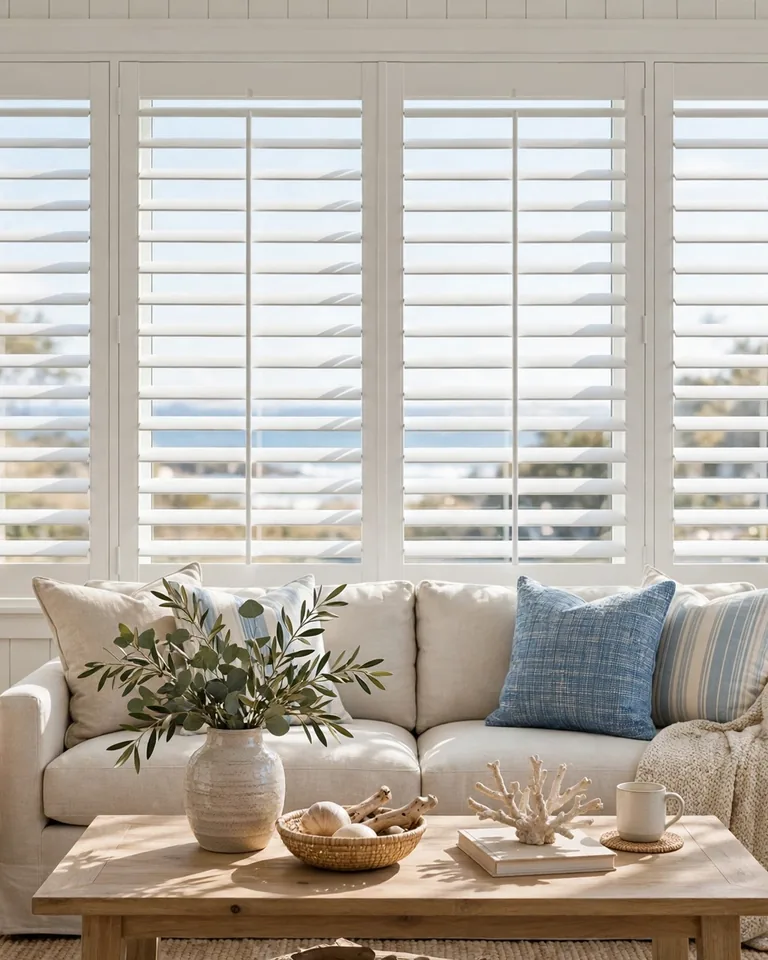
Interior plantation shutters are hinged panels with adjustable louvers, and they are one of the longest-lasting window treatments you can buy — a well-made set can outlive several rounds of curtains. Tilting the louvers gives you precise control: angle them up for daylight with privacy, open them flat for a full view, close them for darkness.
They suit traditional, coastal, and farmhouse rooms especially well, and they read as architecture rather than decoration, which helps resale appeal. The trade-offs are cost and commitment: shutters are among the priciest options per window, they are custom-fit (so they move with the house, not with you), and wide louvers can feel visually heavy on very small windows.
Practical tip: for a bathroom or kitchen, choose a moisture-resistant material like faux wood or vinyl rather than real wood — steam and splashes will warp natural wood over time.
Solar Roller Shades

Solar shades look like ordinary roller shades, but the screen-like fabric is engineered to block UV rays and heat while preserving your view outward. On a bright west-facing window, they cut glare and fading without turning the room into a cave — you keep the scenery and lose the squinting.
The catch is the openness factor: the more open the weave (which preserves the view), the less nighttime privacy you get. A 5% openness shade looks nearly clear from inside during the day but becomes see-through from outside at night when interior lights are on. In bedrooms or street-facing rooms, pair them with side drapery panels you can close, or choose a denser fabric.
Practical tip: solar shades are the best answer to TV glare in a bright living room — but also think about how you arrange the TV and seating, since angling the screen away from the window multiplies the effect of any shade.
Classic Wood and Faux-Wood Blinds
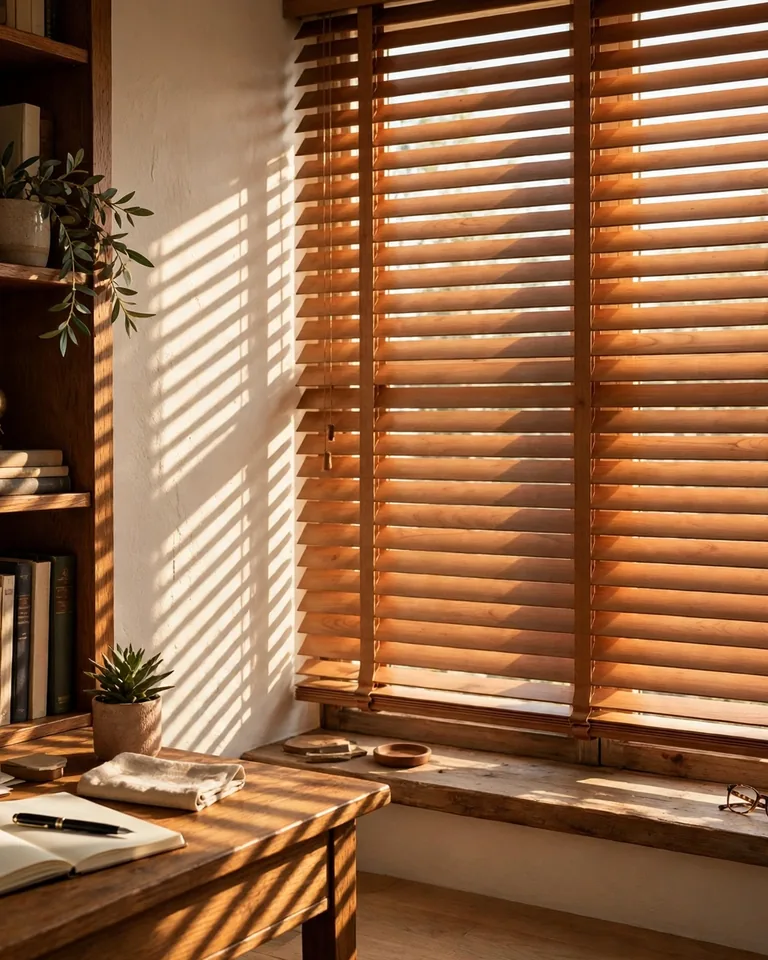
Slatted blinds — the Venetian style — remain popular for one reason: no other treatment gives you this much fine-grained control. Tilt the slats a few degrees and you can bounce daylight toward the ceiling while blocking the direct sightline from the street. They’re affordable, widely available, and easy to replace.
Real wood blinds bring warmth and a furniture-grade look to studies, libraries, and traditional living rooms, but they don’t belong in humid rooms. Faux-wood blinds look nearly identical, cost less, and shrug off moisture and heat, making them the safer default for kitchens, bathrooms, and sunny windows. Both collect dust on every slat, so budget a few minutes with a microfiber cloth now and then.
Practical tip: go cordless. It’s cleaner-looking, and more importantly it’s the safer choice in homes with kids or pets — corded blinds are a well-documented strangulation hazard, and cordless operation is now standard on most quality blinds.
Café Curtains

Café curtains cover only the lower half of a window, leaving the upper glass open. They were made for kitchens: you get privacy at sink and counter level — where passersby would actually see in — while the top of the window keeps pouring daylight into the room. They also suit bathrooms, breakfast nooks, and any window where the view above eye level is worth keeping.
They’re inexpensive, easy to sew or buy ready-made, and they sidestep the awkwardness of full-length curtains near a worktop or radiator. The limitation is obvious: no light control and no nighttime privacy beyond the lower half, so they’re best on windows that don’t face a bedroom-level sightline after dark. Choose a washable fabric near cooking areas.
Practical tip: hang the rod at the window’s midpoint or wherever the privacy line actually needs to be — not at some default halfway mark. Stand outside and check the sightline before you commit. For more ways to brighten that hardworking room, see these kitchen window ideas.
Velvet Statement Drapes

If one window in the house deserves drama, velvet drapes deliver it. The dense pile absorbs light instead of reflecting it, which gives the fabric a depth that flat cotton can’t match — deep green, navy, or burgundy velvet can anchor an entire dining room or formal living room. Velvet also insulates and muffles sound better than most curtain fabrics, a genuine bonus in rooms with hard floors and high ceilings.
It is a commitment, though. Velvet panels are heavy (check that your rod and brackets are rated for the weight), they need generous fullness to fold properly, and the fabric shows pressure marks — that’s normal for velvet, but worth knowing before you steam out every crease. Keep nearby patterns quiet so the fabric stays the star.
Practical tip: order panels at least 2 to 2.5 times the window width. Velvet hung too flat looks limp and cheap; velvet hung full looks like it belongs in a historic hotel.
Motorized and Smart Shades

Motorized shades are exactly what they sound like — shades that raise, lower, and tilt at the touch of a button, a voice command, or an automatic schedule. They’re most worth it on windows you’d otherwise never adjust: tall two-story windows, skylights, wide sliding doors, and any window behind furniture. Scheduled operation is also a genuine energy play — shades that close automatically during peak afternoon sun cut cooling load without you thinking about it.
The honest math: motorization typically adds a meaningful premium per window, and battery-powered versions need recharging every several months (hardwired or solar-charged options exist for new builds). They’re also one more device on your network if you choose smart-home integration.
Practical tip: start with the windows that bother you most — usually the sun-blasted ones — rather than motorizing the whole house at once. You can add rooms later, and you’ll learn which schedules you actually use.
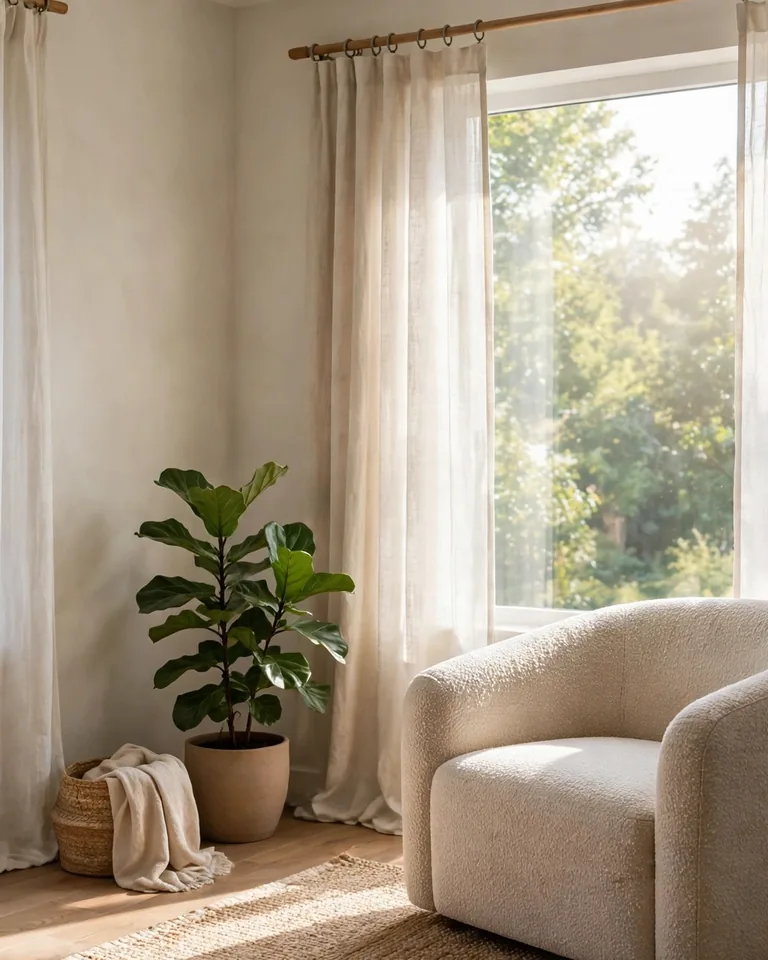
Frosted Window Film
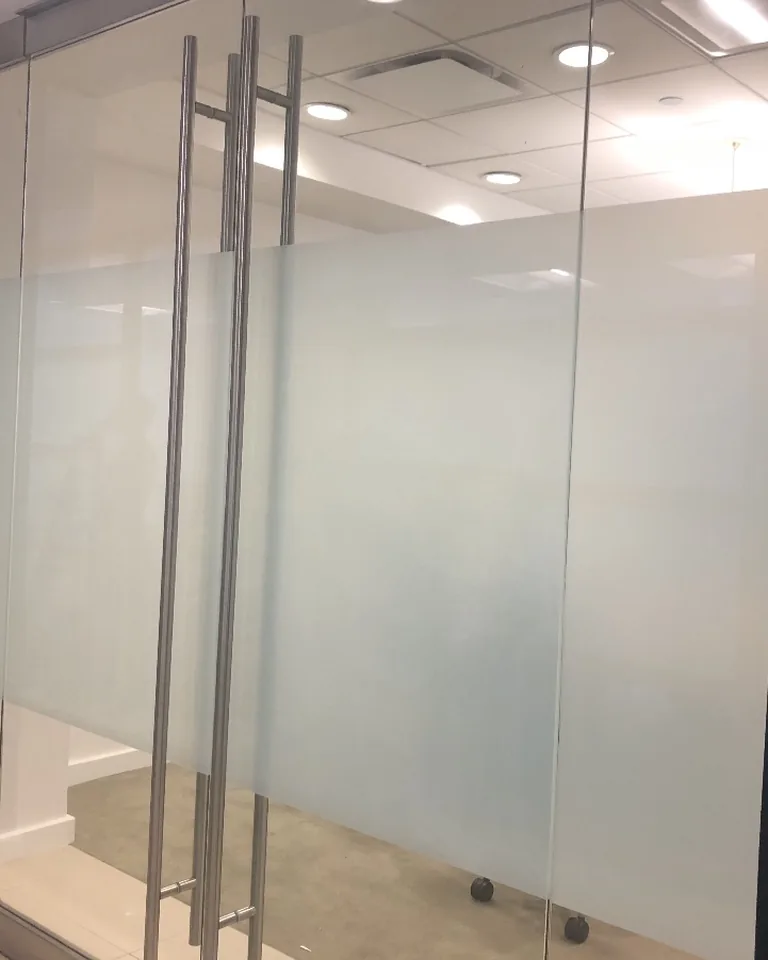
Frosted or decorative window film sticks directly to the glass and turns a clear window private while still admitting most of the daylight. It’s the cheapest real privacy solution for bathrooms, street-level windows, and glass front doors — a roll costs a fraction of any shade, installs in an afternoon with a spray bottle and a squeegee, and peels off when you move.
It won’t give you light control (no dimming, no blackout) and cheap films can bubble or peel at the edges over time, so buy a quality static-cling or adhesive film and take your time with the application. Also check your window manufacturer’s guidance before applying adhesive film to newer double- or triple-glazed units, since some warranties restrict it.
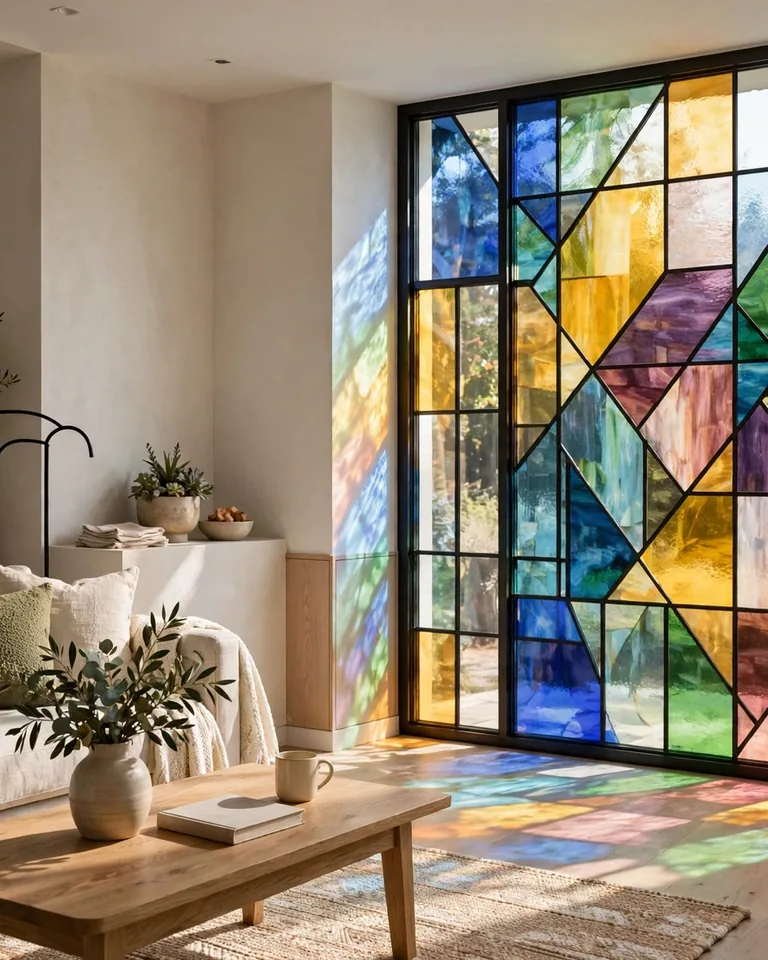
Practical tip: apply film to the lower sash only and leave the upper glass clear for a café-curtain effect with zero fabric — a renter-friendly trick. If you’d rather decorate the glass itself than cover it, painted glass designs are another hands-on option.
Patterned and Bold-Print Curtains
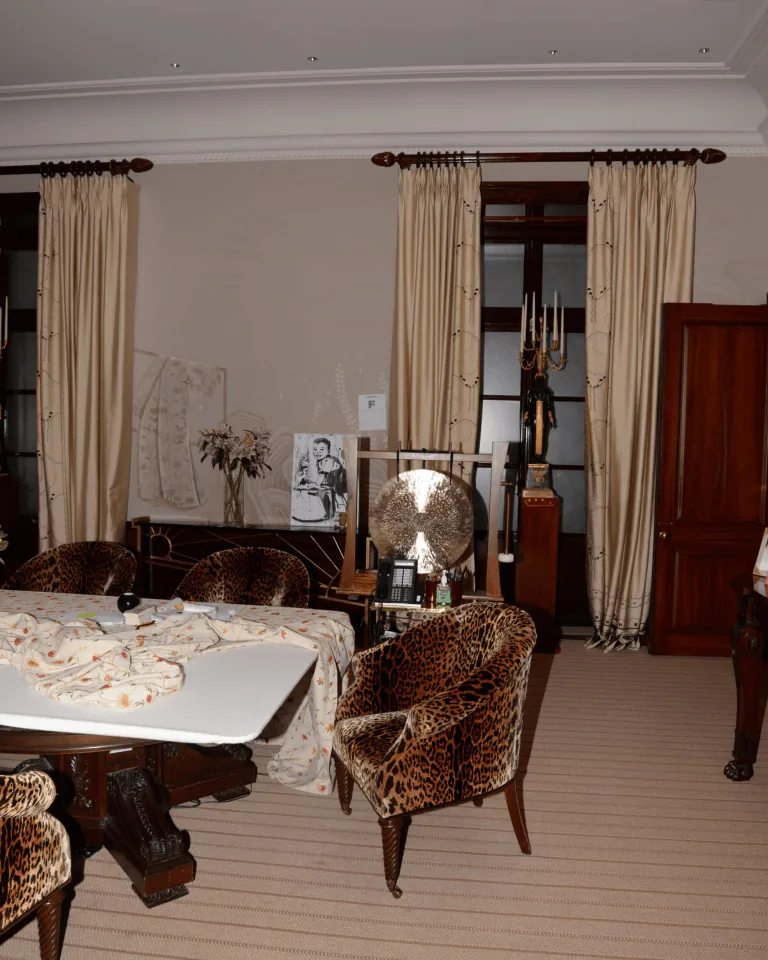
When the room’s furniture is neutral, patterned curtains are the fastest way to inject personality. A large-scale floral, stripe, or geometric print turns the window into the room’s focal point without repainting a wall or buying new furniture. They work hardest in living rooms and bedrooms where the palette needs one confident move.
The risk is dating the room: a very trendy print can feel tired in a few years, and a busy pattern fights with patterned upholstery or rugs. The fix is proportion — let the curtains be the single bold pattern in the room and keep everything else quieter. And remember that prints look different at full scale than on a swatch; order a sample and hang it in daylight before committing.
Practical tip: match the pattern scale to the room. Large prints suit spacious rooms and tall windows; in a small room, a medium-scale pattern reads better than either a tiny busy print or an oversized one.
Top-Down/Bottom-Up Shades

This isn’t a fabric — it’s an operating style available on cellular, Roman, and some roller shades — and it deserves its own mention because it solves a specific daily frustration. Lower the shade from the top and you get an open strip of sky and daylight at the top of the window while the bottom stays covered for privacy. It’s the answer to “I want light but the neighbors can see in.”
It’s ideal for street-facing bedrooms, bathrooms with tall windows, and home offices where you want daylight without a fishbowl feeling. The mechanism costs a bit more than a standard shade and has more cords or components, so buy from a reputable maker and check the warranty.
Practical tip: this feature matters most on windows you look through while seated — living rooms and offices. On a high bathroom window nobody looks out of, a simple fixed shade does the same job for less.
How to Choose the Right Window Treatment
Start with the room’s job, not the catalog. Bedrooms need darkness and privacy — blackout cellular shades or layered blackout drapery. Living rooms need flexible daylight and glare control — light-filtering shades, sheers, or layered combinations. Kitchens and bathrooms need wipeable, moisture-safe materials like faux-wood blinds or roller shades.
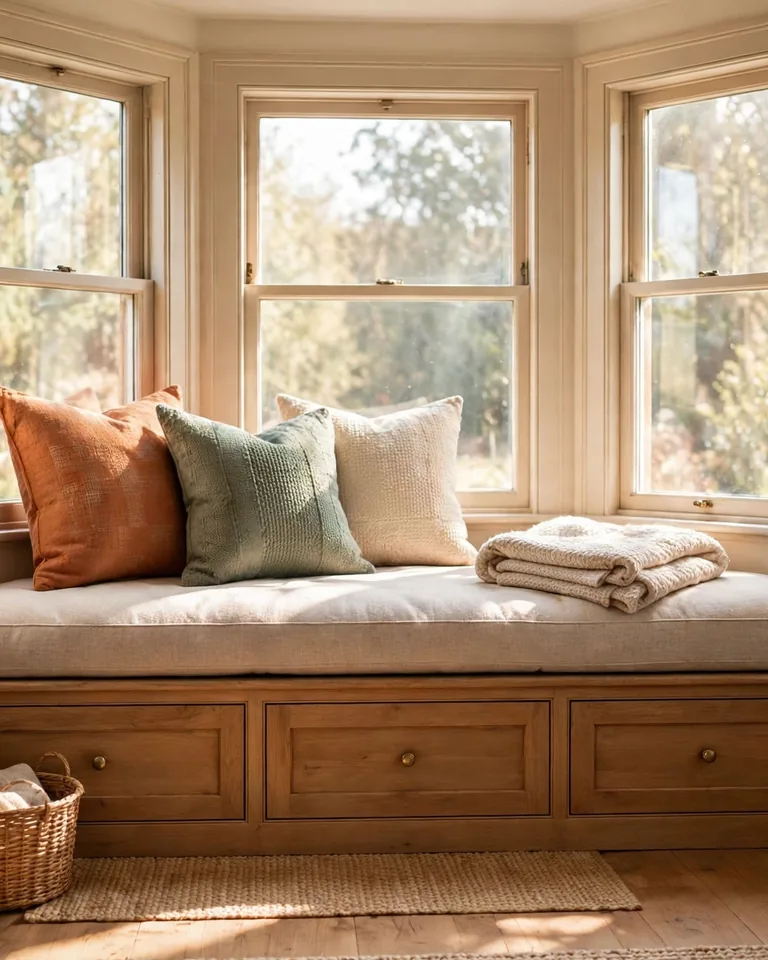
Next, decide how much light you actually want: sheer for glow, light-filtering for daylight with privacy, room-darkening or blackout for sleep and media rooms. Then check the tricky spots — bay windows, arches, and extra-wide sliders often need curved tracks, outside mounts, or motorized operation rather than a standard rod.
Finally, budget honestly. Simple ready-made panels can dress a window for well under a hundred dollars; custom Roman shades or lined drapery often run several hundred per window installed. Measure twice — width, drop, stack space, and clearance — because most window treatment regret is a measuring problem, not a taste problem.
FAQs
What is the best window treatment for privacy without blocking light?
Light-filtering cellular shades are the strongest all-around answer: the fabric glows with daylight while hiding the interior during the day. For privacy plus a view, choose a top-down/bottom-up shade or café-style shutters that cover the lower window and leave the top open. Just remember that any light-filtering fabric becomes see-through from outside at night when your interior lights are on — for nighttime privacy, you need a blackout layer or lined shade.
Are motorized shades worth it?
They’re worth it for tall, hard-to-reach, or very wide windows — skylights, two-story windows, and sliding glass doors — where manual shades simply don’t get adjusted. They’re also the safest option for homes with young children since there are no cords. For one standard bedroom window you open and close daily by hand, the premium is harder to justify.
How much should I budget for window treatments?
It varies widely by product and customization. Budget roughly $30–$150 per window for ready-made panels, basic blinds, or window film; $100–$600 per window for made-to-order Roman, cellular, or roller shades; and several hundred to over a thousand per window for custom drapery, shutters, or motorized systems. Layering two treatments lands somewhere in between, depending on what you combine.
Which is better: shades, blinds, or curtains?
It depends on what you need most. Shades are best for insulation and a clean look, especially in bedrooms and sun-facing rooms. Blinds give the most precise light and privacy control, which suits living rooms and kitchens. Curtains add the most softness, color, and drama, making them ideal for formal living spaces and bedrooms. Many designers layer two — a shade for function, curtains for finish — to get the strengths of both.