Home Staging on a Budget: How to Make Your House Look Expensive for Less
Yes, you can stage your home on a budget and still make it look expensive. The secret is not buying more decor. It is editing what you already have, fixing the few things buyers actually notice, and spending money only where it changes a first impression. Most of the highest-impact staging moves cost nothing at all: decluttering, rearranging furniture, opening curtains, and cleaning until every surface reads as cared for.
Think of staging as preparing your home for two audiences. The first is the camera, because most buyers decide whether to visit based on listing photos. The second is the buyer walking through the door, who needs to picture their own life in each room within seconds. Every tip below serves one or both of those audiences, and each one is tagged so you know whether it is free, cheap, or worth a small splurge.

Before you spend a dollar, walk through your home the way a buyer would: front door first, then living room, kitchen, primary bedroom, and bathrooms. Note what feels crowded, dark, or dated. That short walk gives you your real staging list, and it is almost always shorter than you expect.
Start With Decluttering, Not Shopping

Decluttering is the single most recommended staging step for a reason: buyers notice space before they notice decor. A room packed with furniture, collections, and small objects photographs smaller than it is, no matter how nice the individual pieces are. The fix costs nothing but time.
Work room by room and be honest about what earns its place. Remove at least a third of the objects on shelves and surfaces, pack away family photos and personal collections, and take one piece of furniture out of any room that feels tight. Store the packed boxes out of sight, in the garage or a storage unit, not shuffled into another room buyers will open. The goal is not a bare house. It is a readable house, where a buyer can see the size of the room, the windows, and the flow between spaces in one glance.
Depersonalizing matters just as much as decluttering. Buyers need to imagine their own sofa against that wall and their own art above the fireplace. Your vacation photos and trophy shelf make that harder, even when they are lovely. Pack them early and you will be glad you did when moving day comes.
Paint Is the Cheapest Transformation You Can Buy
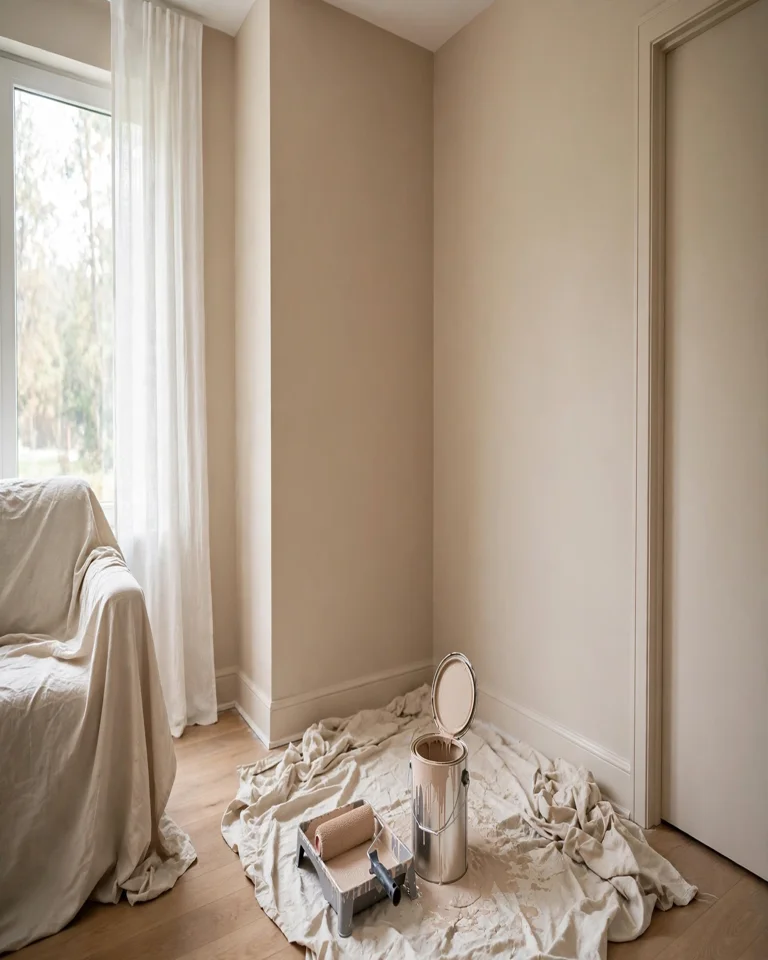
If decluttering is free, paint is the best value purchase in all of staging. One gallon of warm white, soft greige, or light warm gray can erase years of scuffs, bold accent walls, and dated color choices in a single weekend. Neutral walls make rooms feel larger, brighter, and easier for buyers to personalize, which is exactly what you want.
Prioritize the rooms buyers photograph in their minds: the entry, living room, and kitchen first, then the primary bedroom. You do not need to repaint the whole house. Touch up scuffed baseboards and door frames, repaint any room with a loud or very dark color, and leave rooms that already read clean and neutral alone. Use a matte or eggshell finish on walls and a slightly glossier finish on trim so the woodwork reads crisp in photos. If your budget only stretches to one room, paint the living room: it anchors the whole listing.
Stage Rooms in Priority Order: Living Room First

Not every room deserves equal effort. Buyers remember the kitchen, the primary bedroom, the living room, and the bathrooms most, in roughly that order. But the living room is where you should start, because it is usually the first interior photo and the room that sets the tone for the whole tour.
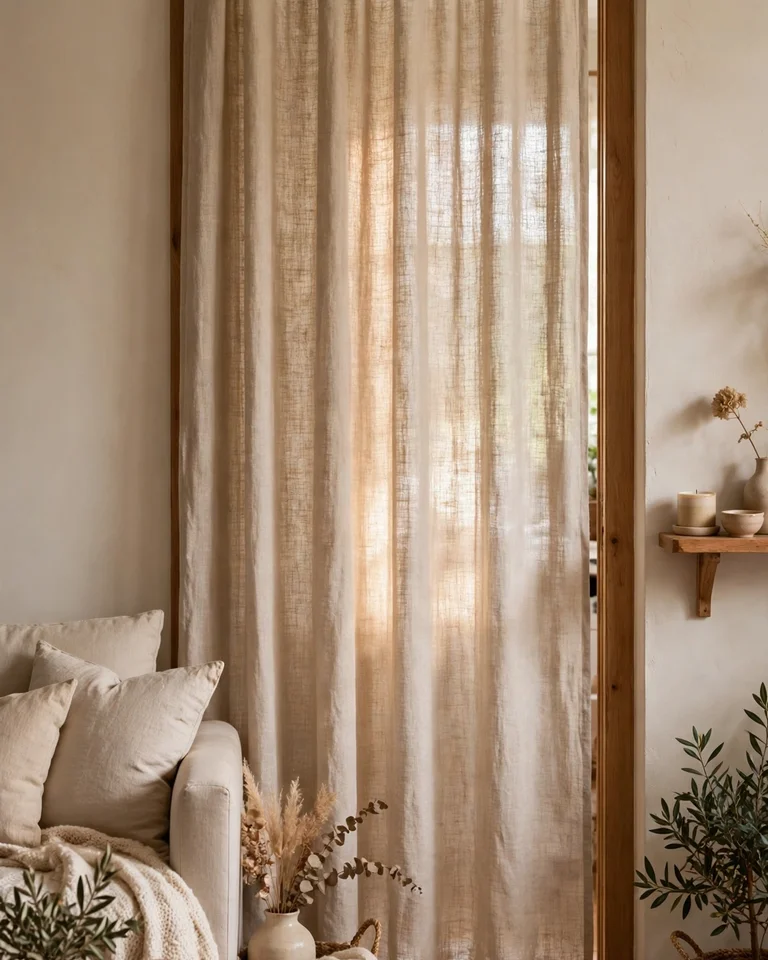
Pull the sofa a few inches away from the wall and arrange seating so chairs face each other rather than lining the perimeter like a waiting room. That one move creates a conversation area and shows off more floor, which makes the room read larger. Keep the coffee table nearly clear, choose one larger piece of art or a mirror over the sofa instead of a cluster of small frames, and hang curtains high and wide so windows look taller. If a rug is too small for the seating arrangement, roll it up for showings: a too-small rug chops a room in half visually.
For layout inspiration, our guides to arranging living room furniture around a TV and fireplace and arranging furniture in a long, narrow living room walk through the same flow-first principles with room diagrams.
Kitchen Quick Wins That Skip the Remodel
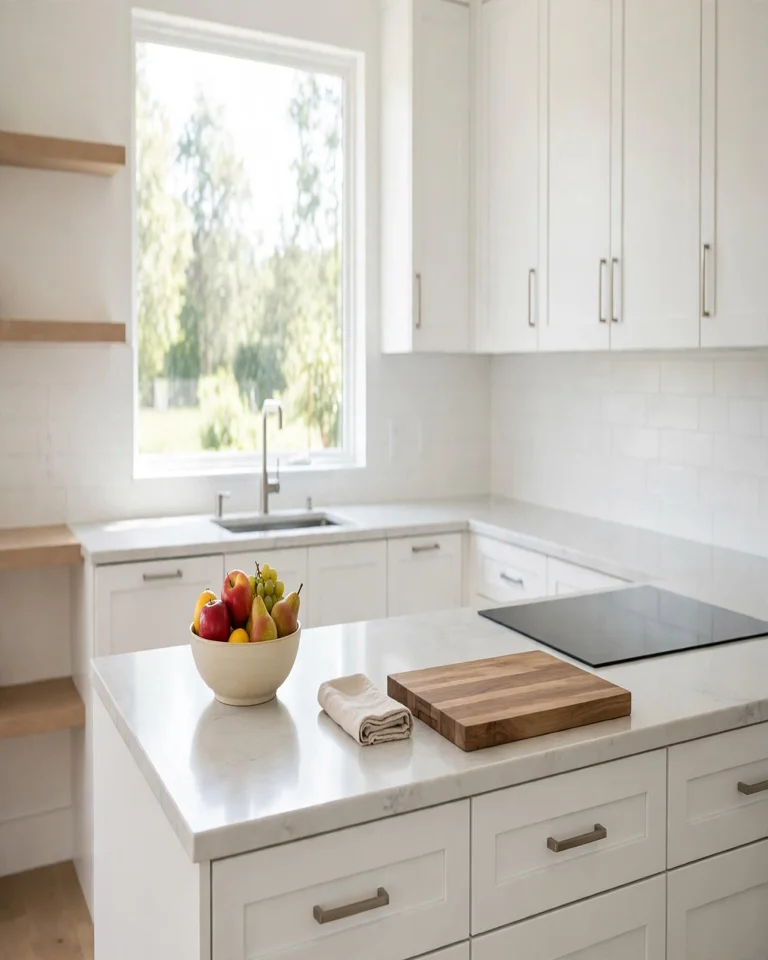
A full kitchen remodel is the last thing a budget stager should attempt. Buyers respond to clean, bright, and usable, and you can get there for very little. Start by clearing counters down to three things at most: one appliance you actually use, one cutting board or bowl of fruit, and one small plant or simple vase. Empty counter space reads as workspace, and workspace is what buyers are shopping for.
Next, swap dated cabinet hardware for simple modern pulls or knobs, which is one of the cheapest upgrades with the biggest visual payoff. Polish faucets and handles until they shine, replace any burnt-out under-cabinet bulbs, and consider peel-and-stick backsplash tiles if the existing backsplash is stained or dated. Fix the small things buyers touch: a cabinet door that sticks, a drawer that wobbles, a dripping tap. Each one is cheap to fix and each one quietly lowers a buyer’s offer if left alone. And let the daylight in: clean windows and well-dressed kitchen windows make the whole room feel fresher without a single new cabinet.
Bathroom Quick Wins: Make It Feel Like a Spa
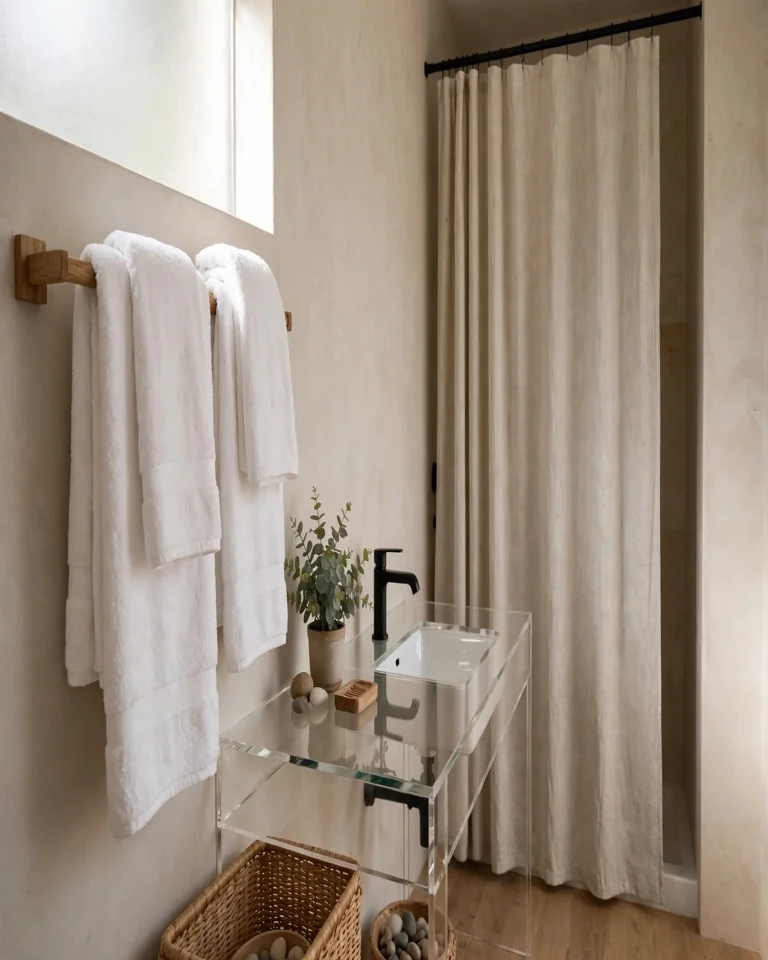
Bathrooms are small, which means every detail shows. The good news is that small rooms are cheap to refresh. Clear the counter almost completely: a soap dispenser, a small plant, and a rolled hand towel are plenty. Hide daily toiletries, medicines, and cleaning products before every showing, because buyers open cabinets and drawers.
Then add the spa signals buyers love: fluffy white towels, a clean shower curtain in a solid neutral, a new toilet seat if the old one is stained, and a modern mirror if the current one is builder-grade and spotted. Re-caulk the tub if the old caulk is discolored; it takes an hour and transforms the room. For a warmer, more finished look, our modern farmhouse bathroom decor ideas and beige and gold bathroom ideas show how a neutral palette with one warm metallic accent reads instantly more expensive.
Primary Bedroom: Calm, Layered, and Bigger Than It Is
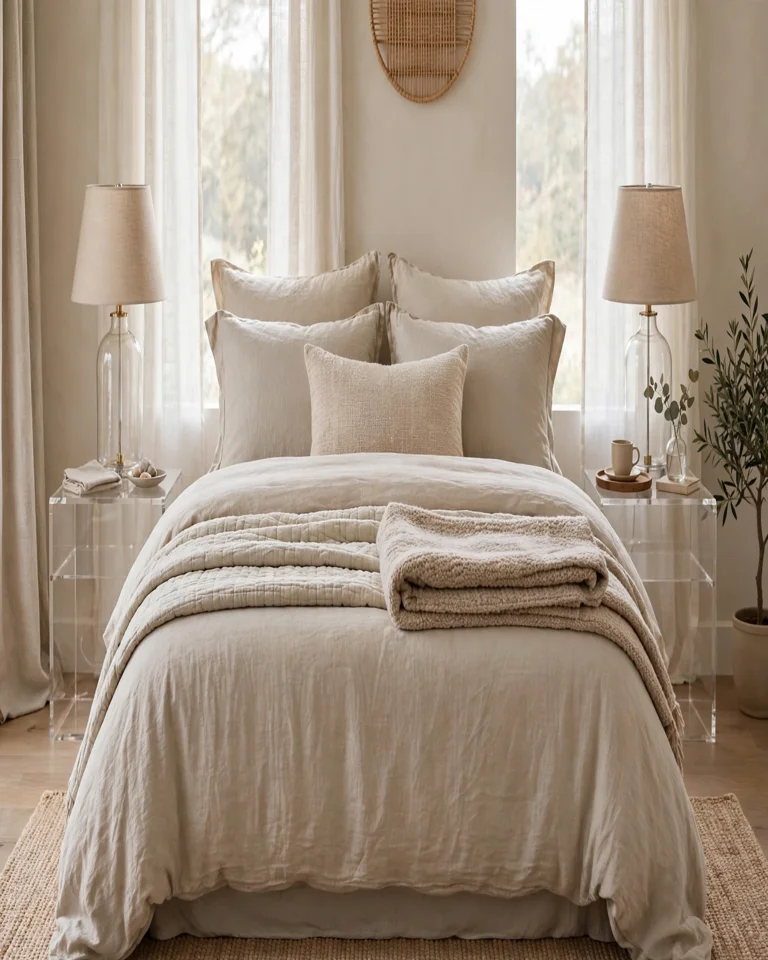
The primary bedroom should feel like a retreat, not a storage room. Start with the bed, the largest object in the room and the first thing buyers judge. Use clean, smooth bedding in a soft neutral, add a folded throw at the foot, and limit pillows to a simple layered arrangement rather than a mountain of them. Too many patterns shrink the bed visually; one calm palette makes it look generous.
Clear nightstands down to a lamp and one small item each, and remove any extra furniture that blocks the path around the bed. If the room has a reading chair, keep it only if it leaves comfortable walking space. Open the curtains fully and add a lamp on each side of the bed so the room glows evenly in photos. A calm, symmetrical bedroom photographs beautifully and tells buyers this is a room they can relax in from day one.
Lighting That Makes Every Room Look More Expensive
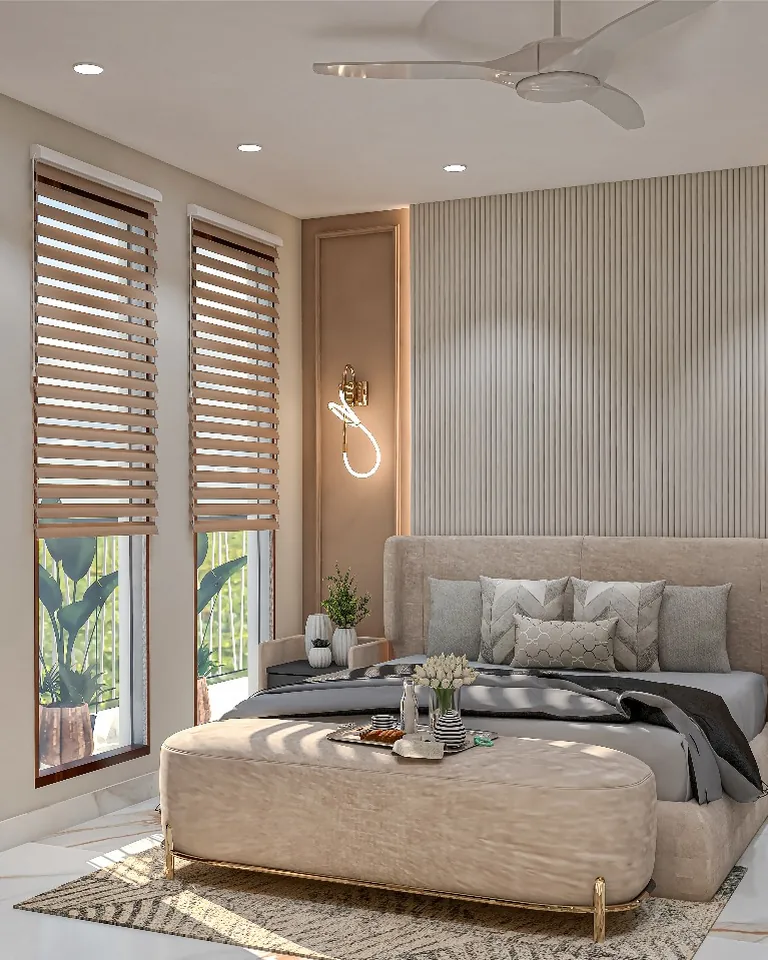
Lighting is where cheap staging either succeeds or falls apart. A room lit by a single harsh overhead fixture looks flat and small, while the same room with three layers of warm light looks warm, deep, and expensive. The layers are simple: ambient light from the ceiling, task light from lamps, and accent light from a candle or a picture light.
Start free: open every curtain, clean the glass, and move anything blocking a window. Then fix the cheapest mistake in staging, which is mismatched bulbs. If one lamp glows yellow, another glows blue, and the ceiling light does something else entirely, the room feels off even if buyers cannot say why. Replace mismatches with consistent warm-white bulbs throughout, swap any dingy lampshades, and turn on every light before the photographer arrives. If a dark corner still swallows light, borrow a lamp from another room rather than buying one. Our guide on how to brighten a dark room covers mirrors, bulb choices, and curtain tricks in more detail.

One caution: keep bulb color consistent within each room. Mixing warm and cool light in the same space creates an unsettled glow that reads cheap in photos, even when the furniture is beautiful.
Curb Appeal: The First Photo Is the Front of the House

Buyers form an opinion before they step inside, and the exterior photo is usually the first image in a listing. Curb appeal does not require landscaping crews. Mow and edge the lawn, trim overgrown bushes away from windows, lay fresh mulch in beds, and sweep the walkway and porch. Power-wash the driveway and siding if they are grimy; it costs far less than repainting and can look nearly as good.
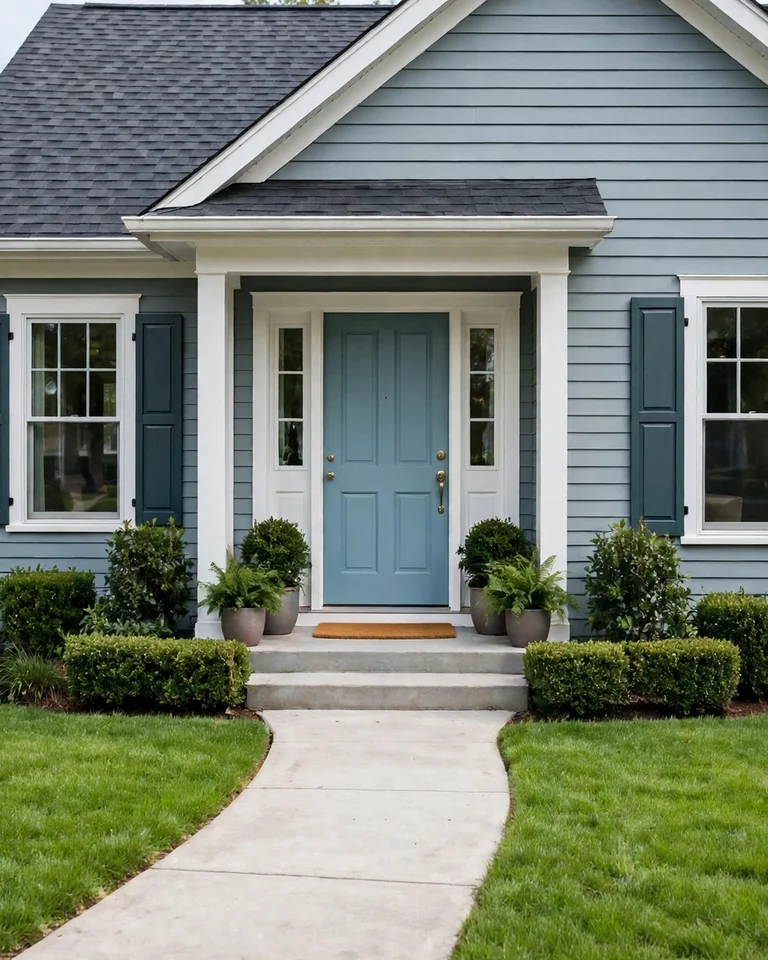
Then focus on the front door, the single highest-return exterior detail. Clean or repaint it in a classic color, polish or replace tired hardware, add a new doormat, and flank it with two potted plants or a simple wreath. Remove dead plants, old shoes, and anything stored on the porch. When the entry looks cared for, buyers walk in expecting the interior to be cared for too, and that expectation is worth more than any single piece of furniture.
What NOT to Spend On When Staging on a Budget
Knowing what to skip protects your budget as much as knowing what to buy. Do not start a full remodel of any kind: new cabinets, new flooring throughout, or a gut bathroom renovation will rarely return their cost at sale time, and they delay your listing by weeks. Do not buy matching furniture sets or expensive artwork to fill empty rooms; buyers are shopping for the house, not your taste, and rented or borrowed pieces do the same job for a fraction of the price.
Skip trendy accent walls, bold wallpaper, and highly personal decor themes. They narrow your buyer pool instead of widening it. Skip replacing every light fixture in the house; update the entry and dining fixtures buyers notice, and leave the rest alone if they are clean and functional. And do not buy staging decor before you have decluttered, painted, and fixed the visible defects. A new vase on a crowded shelf is invisible; the same vase on a cleared shelf looks intentional.
One more thing not to overspend on: professional staging for an already furnished home. For most occupied homes, a thorough DIY staging pass produces the strongest return per dollar. Reserve full professional staging, with rented furniture, for vacant homes, luxury price points, or listings that have sat unsold despite strong presentation.
Showing-Day Checklist: The Final Hour
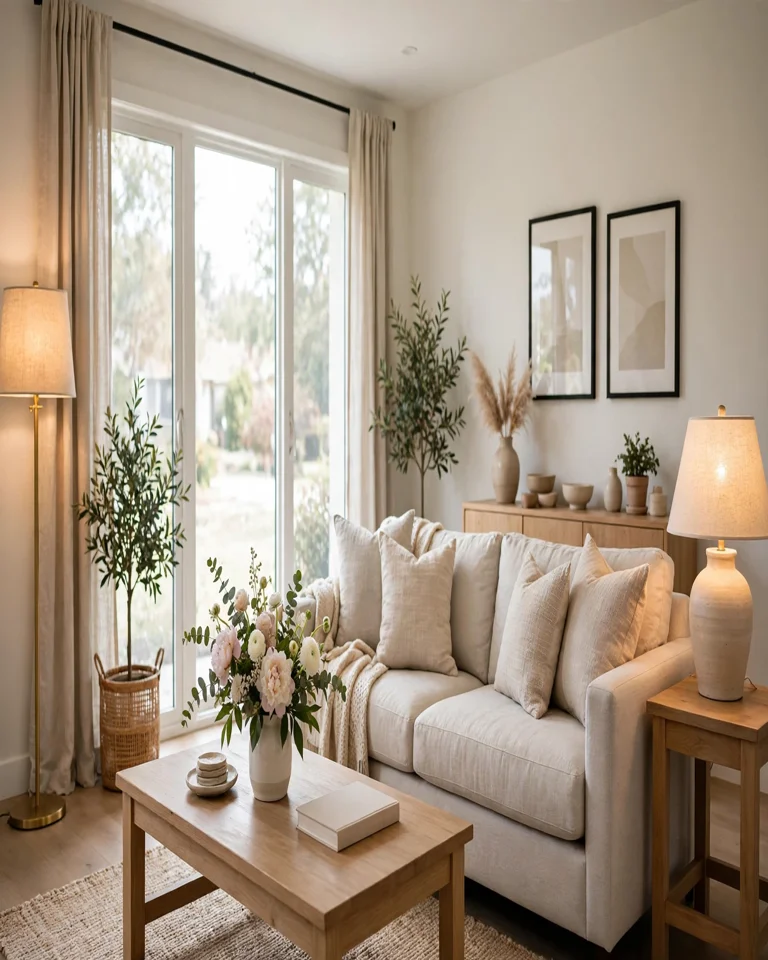
Staging is only finished when the house is ready at showing time. Use this sequence on the morning of every showing or photo shoot.
- Open everything: curtains, blinds, and interior doors. Let daylight reach every corner and make the floor plan obvious.
- Turn on every light: ceiling lights, lamps, and under-cabinet lights, even in daytime. Bright rooms photograph larger.
- Clear the counters again: kitchen and bathroom counters, the entry console, and the dining table should hold only their staged items.
- Hide the evidence of daily life: toiletries, pet bowls, laundry baskets, trash cans, charging cables, and personal items go out of sight.
- Set one welcoming scent: a mild candle, fresh flowers, or a quick airing-out. Keep it subtle; strong fragrance makes buyers suspicious, not impressed. For fragrance-free options, see our guide to making your home smell good without air fresheners.
- Make the beds and fluff the towels: smooth bedding, folded throws, fresh white towels in each bathroom.
- Do the doorway test: stand in each doorway and ask what the eye lands on first. If it is clutter, a dark corner, or a blocked path, fix that one thing before you leave.
- Leave the house bright and quiet: turn off the TV, open the windows briefly for fresh air, and let buyers imagine the home as theirs.
Staging on a budget is not about pretending your home is something it is not. It is about removing everything that distracts from what it already is: space, light, and rooms that work. Declutter first, paint where it counts, light every room warmly, fix the small defects, and let the front door make its promise. Do those things well and buyers will see an expensive-looking home, even though you spent very little to show it to them.

Frequently Asked Questions

How do I make my home look expensive on a budget?
Start with the free moves: declutter, depersonalize, rearrange furniture for better flow, and open every curtain. Then spend on the highest-return items: neutral paint, consistent warm bulbs, new cabinet hardware, and curb appeal at the front door. Expensive-looking homes feel calm, cohesive, and well cared for, not filled with costly decor.
What rooms matter most for staging?
In order of impact: the kitchen, the primary bedroom, the living room, and the bathrooms. These are the rooms buyers remember and photograph most. Stage those first, and only spend leftover time and money on secondary bedrooms, storage areas, and utility rooms.
Do I need to hire a professional stager?
Not in most cases. For an occupied home in an active market, cleaning, decluttering, fixing visible defects, and thoughtful furniture placement produce strong results on their own. Professional staging adds the most value for vacant homes, luxury properties, and homes that have sat unsold despite good presentation.
Should I stage before or after photography?
Always stage first, then photograph. Listing photos are permanent for the life of the listing, and the effort you put in before the photographer arrives determines how every online buyer sees your home. A rushed photo shoot on an unstaged home cannot be fixed later.
How can I improve my home without spending money?
Remove a third of the objects in each room, pull furniture away from walls to create conversation areas, clean windows and open curtains fully, move lamps into dark corners, and hide personal items. These moves cost nothing and consistently make rooms look larger, brighter, and more inviting.