12 Greenery Bedroom Ideas That Make Your Room Feel Alive

A bedroom with greenery feels calmer, fresher, and more personal the moment you walk in. The formula is simple: pick plants that match your room’s light, repeat green tones in textiles and walls, and style the pots as carefully as the plants. Below are 12 greenery bedroom ideas — from a single bedside plant to a full styling plan — each with practical tips on light, cost, and care, so your room ends up feeling alive, not overcrowded.
1. Put a Sleep-Friendly Plant on the Nightstand
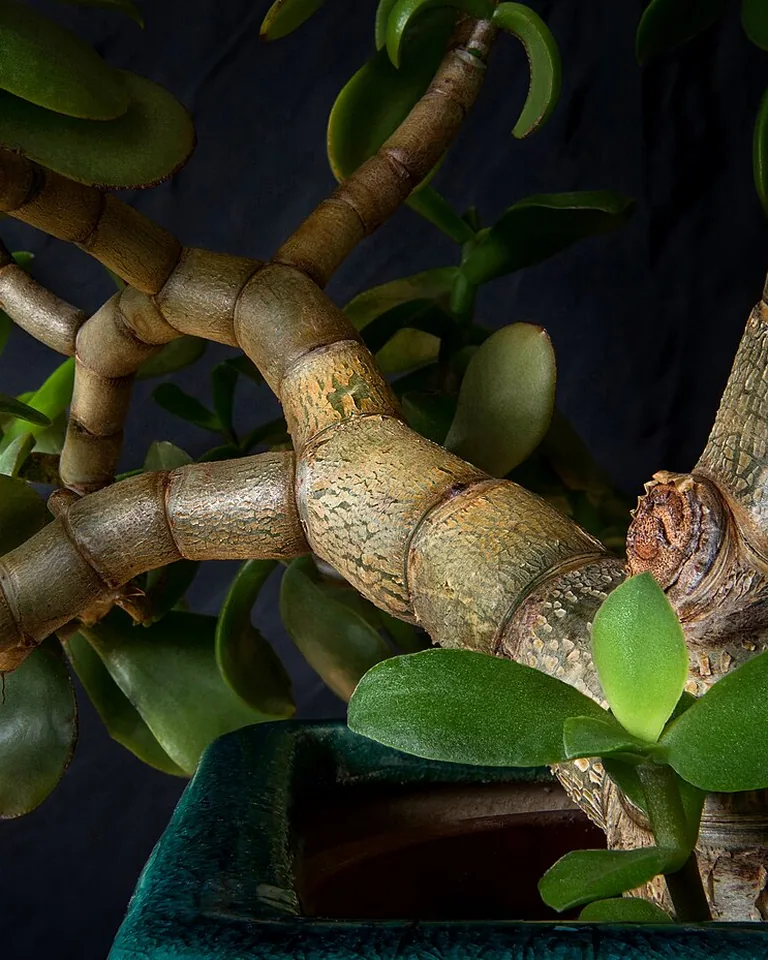
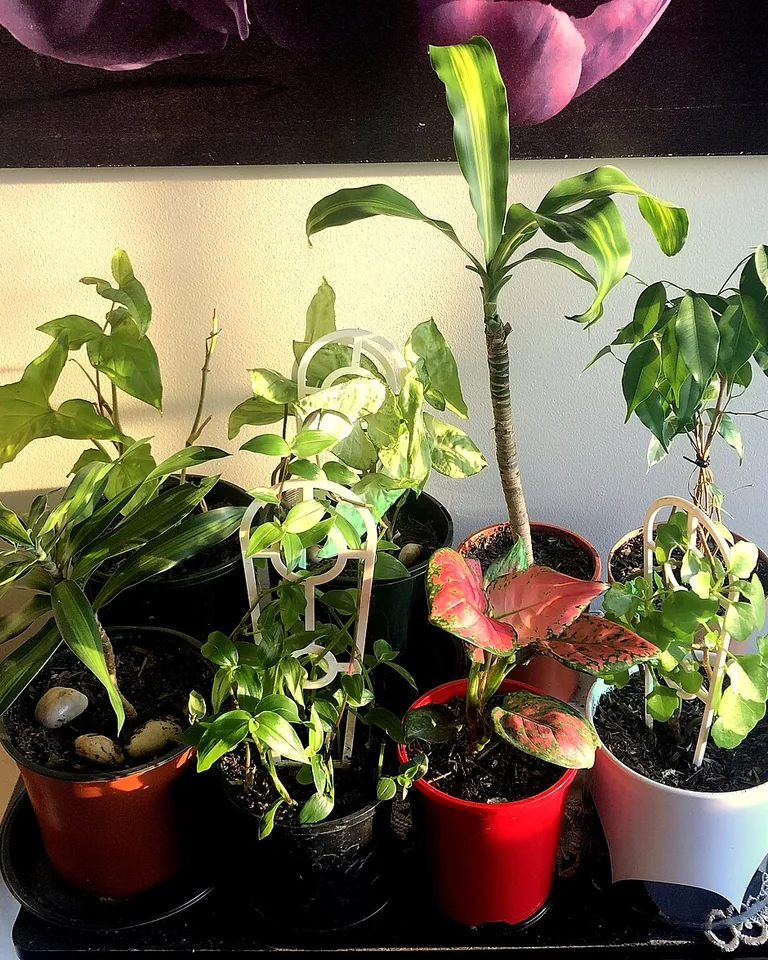
The nightstand is the easiest place to start because it’s close to your eyes at rest and takes up no extra floor space. A small snake plant or aloe vera suits this spot: both tolerate low light, need watering only every couple of weeks, and quietly release oxygen at night. Choose a compact pot with a saucer so watering never spills onto the table.
Cost: $10–$25 for plant and pot. Difficulty: easy. Pro tip: keep the plant low enough that it never blocks your lamp or your path to the alarm clock.
2. Let a Trailing Plant Cascade From a High Shelf
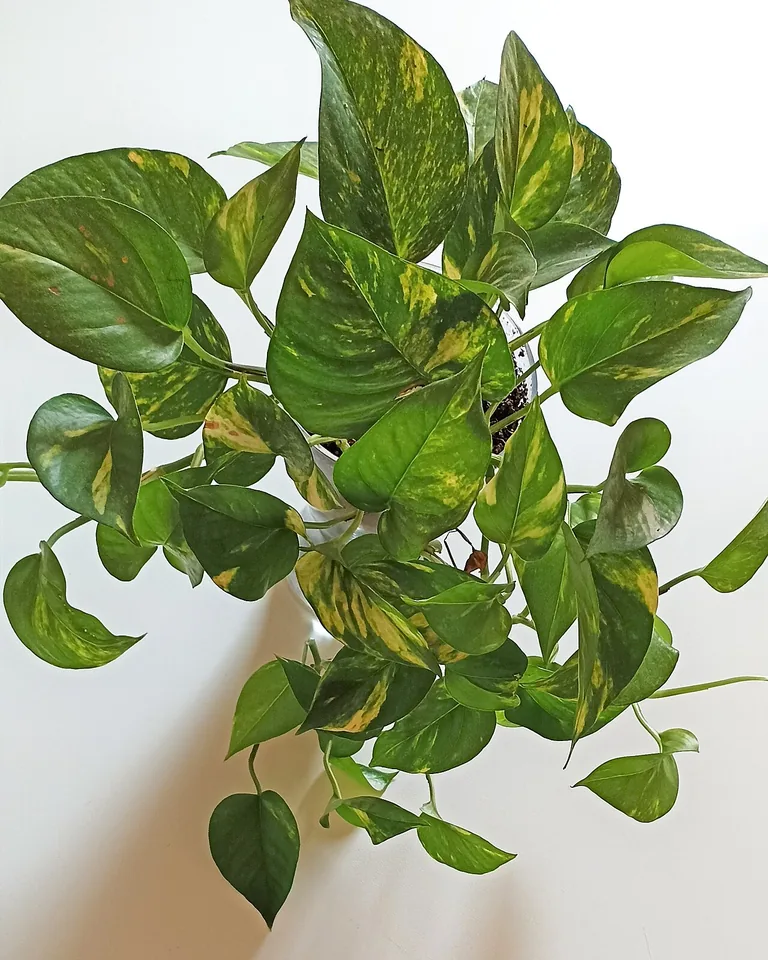
A pothos or heartleaf philodendron planted on a high floating shelf sends vines spilling downward, adding movement and height without using a single square foot of floor. This look works especially well in smaller bedrooms, where floor space is precious. Pothos tolerates low to medium indirect light and forgives missed waterings, making it the classic beginner’s trailing plant.
Cost: $12–$30. Difficulty: easy. Pro tip: trim the longest vines every few months and propagate the cuttings in water — you’ll have free plants for the rest of the house.
3. Anchor an Empty Corner With a Statement Indoor Tree

Every bedroom seems to have one dead corner, and a tall indoor tree fills it better than any decor object. A fiddle-leaf fig, olive tree, or parlor palm adds height that balances the low, horizontal lines of the bed and becomes a natural focal point. These plants want bright indirect light, so place the tree near (but not pressed against) your brightest window.
Cost: $30–$80. Difficulty: moderate. Pro tip: buy a size that fits the corner at maturity — a 5-foot tree in a 2-foot corner will crowd the walkway in a year.
4. Hang Planters by the Window or Bedside
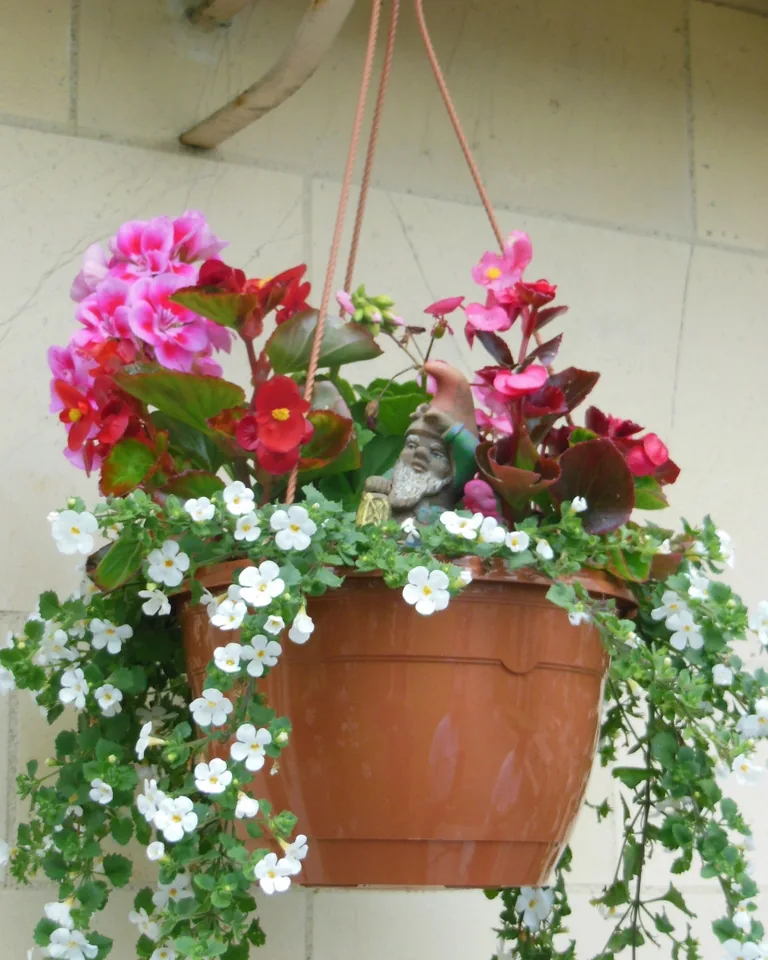
Ceiling hooks or a sturdy curtain rod open up a whole new growing zone above your furniture. Boston ferns, spider plants, and trailing pothos thrive in hanging baskets near a bright window, where their leaves catch soft daylight. Hanging keeps plants out of reach of pets and clears every surface below for books, lamps, and clocks.
Cost: $15–$40 per planter. Difficulty: easy. Pro tip: anchor ceiling hooks into a joist, not just drywall — a watered 10-inch pot is heavier than it looks.
5. Add a Botanical Wallpaper Accent Wall

When you love the idea of greenery but struggle to keep plants alive, a botanical accent wall delivers the look with zero watering. Large-scale banana leaves, ferns, or watercolor foliage behind the bed turn that wall into the room’s focal point instantly. Peel-and-stick versions make this renter-friendly and forgiving if you change your mind later.
Cost: $40–$120 for one wall. Difficulty: moderate. Pro tip: choose a print with breathing room between the leaves — dense jungle patterns can feel busy in the room where you sleep.
6. Echo the Leaves in Your Bedding and Textiles

Live plants work harder visually when the room repeats their color. Sage or olive green sheets, a botanical-print duvet, or even a pair of deep-green velvet cushions tie the greenery into the whole design instead of leaving plants to fend for themselves. This trick costs less than one large plant but changes the room’s mood as much as a new paint color.
Cost: $25–$90. Difficulty: easy. Pro tip: keep walls neutral when the bedding carries the green — the plants, not the paint, should be the star.
7. Style a Tiered Plant Stand in a Forgotten Corner

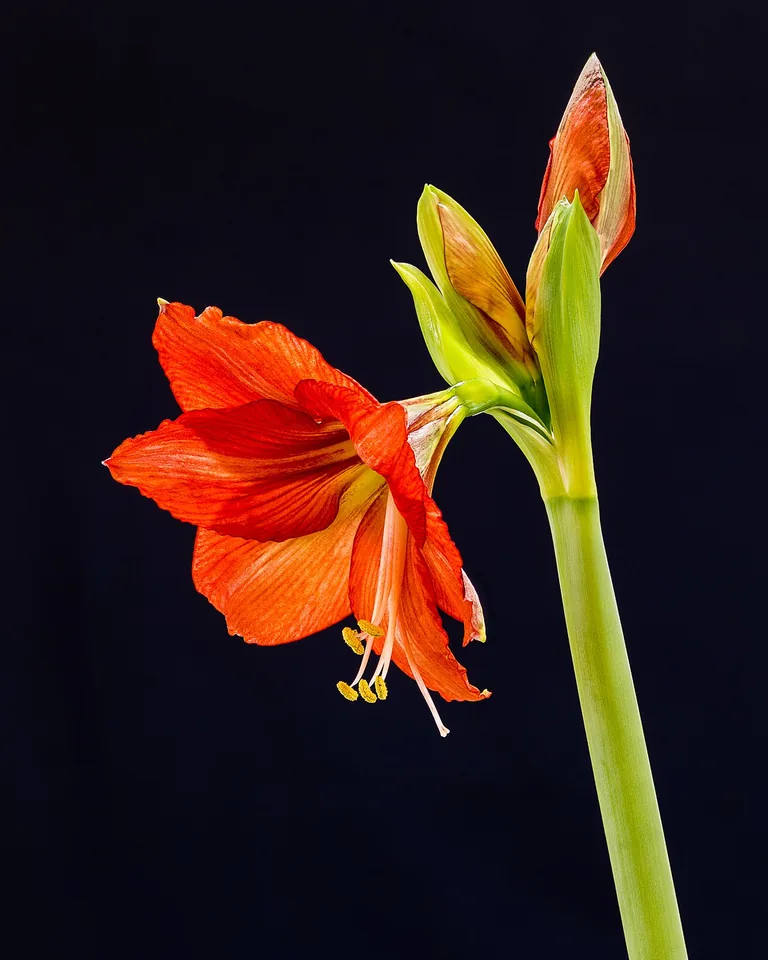
A slim ladder-style plant stand turns a neglected corner into a layered green display in about ten minutes. Mix upright plants like snake plant with trailing ones like string of pearls so each tier has a different shape and height, and vary pot materials — terracotta, ceramic, woven baskets — for texture. Because it’s all vertical, it suits small bedrooms where floor pots would block the walkway.
Cost: $30–$70 for stand and plants. Difficulty: easy. Pro tip: put the heaviest pots on the bottom tier and check the stand stays stable as plants grow and soil holds water.
8. Start a Tiny Garden on the Windowsill
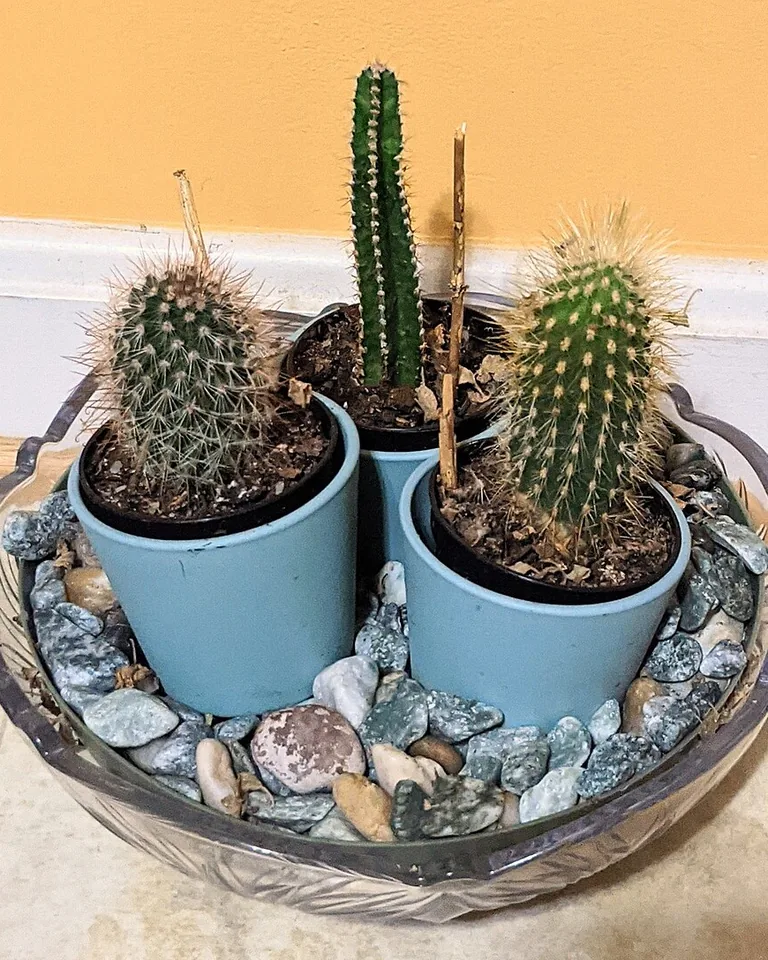
The windowsill is the sunniest strip in most bedrooms, which makes it perfect for small pots that love light: succulents, aloe vera, or a trio of herbs like thyme and rosemary. Group them in odd numbers with varying heights for a styled look, and use shallow trays underneath to protect the sill from water stains. If the sill is narrow, choose squat pots that can’t tip easily.
Cost: $15–$35. Difficulty: easy. Pro tip: rotate the pots a quarter turn every week so each side gets light and the plants grow evenly instead of leaning.
9. Display Glass Terrariums on the Dresser

A glass terrarium is the lowest-commitment greenery you can own. Fill it with air plants or tiny succulents, add a layer of pebbles or sand for style, and you have a living accent that needs nothing but a light misting now and then. Cluster two or three in different sizes on the dresser for a styled vignette rather than a single lonely object.
Cost: $20–$50. Difficulty: very easy. Pro tip: skip the lid or keep it ajar — closed terrariums trap moisture that succulents hate.
10. Run a Dedicated Plant Shelf Above the Dresser

One long floating shelf above the dresser gives your plants a permanent home and turns a blank wall into a feature. Line it with small and medium pots in a rhythm of tall, full, and trailing shapes, then leave one-third of the shelf for breathing room or a book and candle. Mount it at least 12 inches above the dresser so leaves have space to grow downward without brushing the surface.
Cost: $25–$60 for shelf and brackets. Difficulty: moderate. Pro tip: mount the shelf into studs or use heavy-duty anchors — a shelf of watered plants is surprisingly heavy.
11. Go Renter-Friendly With Freestanding Displays
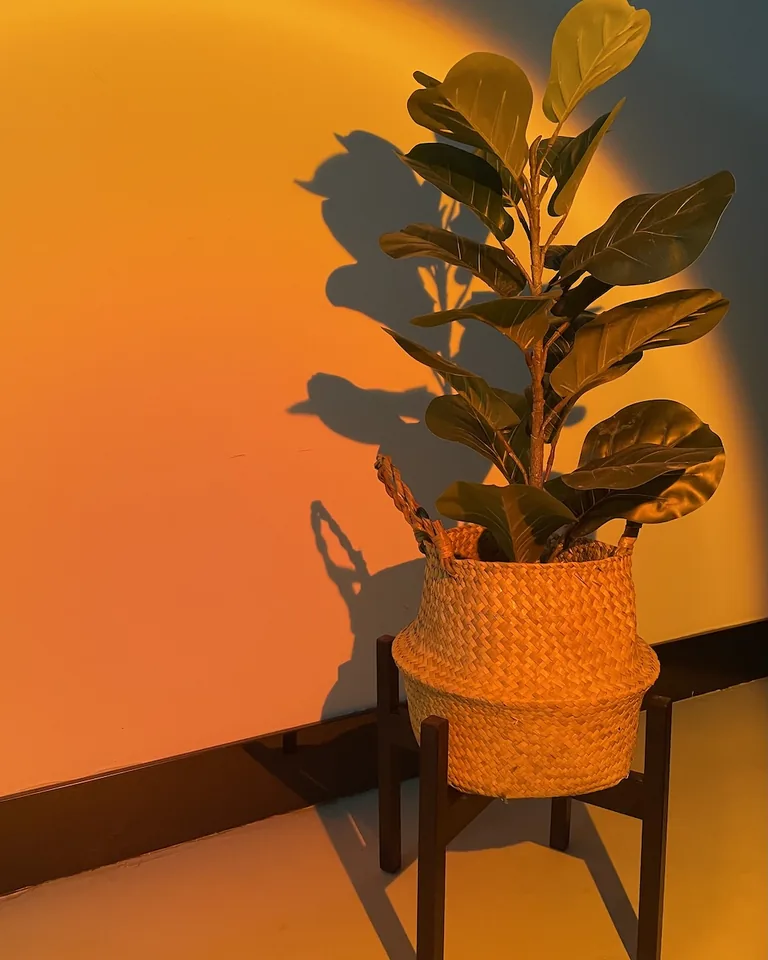
If your lease forbids drilling, greenery still has plenty of options that never touch the walls. Freestanding plant stands, a tall floor plant in a beautiful pot, a rolling plant cart, or a tension-rod curtain rail with hanging hooks all move with you when the lease ends. Concentrate several pieces into one lush “green corner” so the room reads as intentional rather than scattered.
Cost: $40–$100. Difficulty: easy. Pro tip: a large floor plant in a statement pot looks more expensive than five small ones in plastic nursery pots — upgrade the pots before buying more plants.
12. Build a Plan for a Low-Light Bedroom
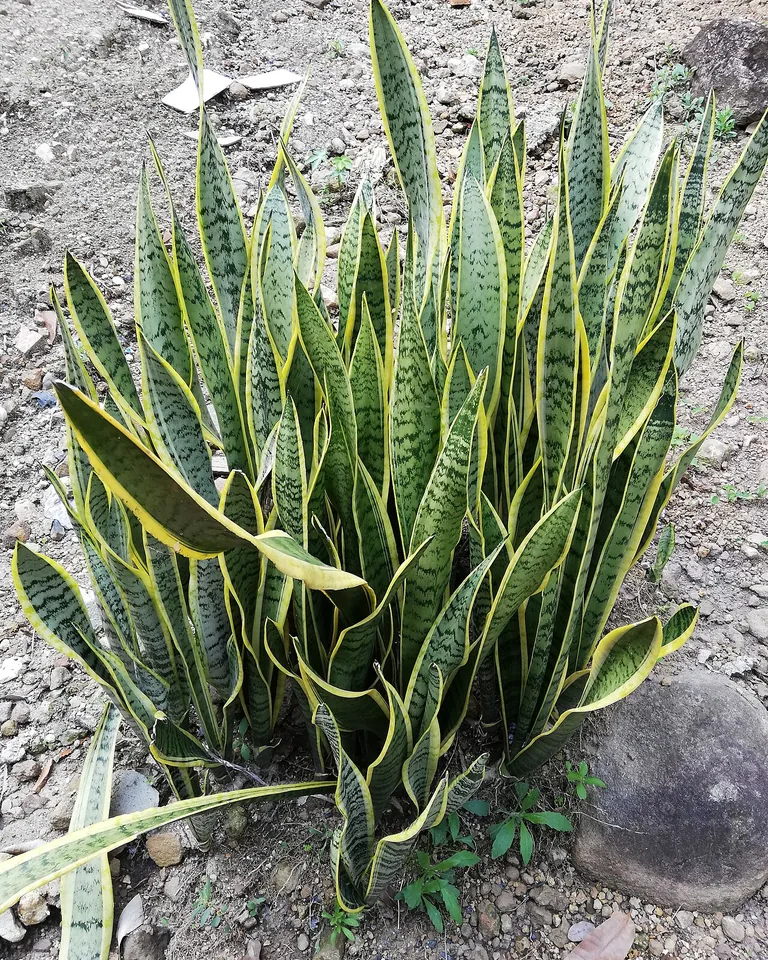
A bedroom with one small window or north-facing glass doesn’t mean no plants — it means choosing the right ones. Snake plant, ZZ plant, and pothos all tolerate low light, and pairing them with warm LED grow bulbs on a timer keeps them healthy without changing the room’s cozy mood. Cluster the shade-tolerant plants nearest the window and leave the darkest corners for faux greenery or botanical art instead.
Cost: $30–$60. Difficulty: easy. Pro tip: if you can read a book comfortably in daylight without a lamp, that spot is bright enough for low-light plants — use that as your placement guide.

Frequently Asked Questions
Are plants safe to keep in a bedroom at night?
Yes. While plants switch from producing oxygen to releasing a small amount of CO₂ at night, the quantity is far too small to affect a bedroom’s air in any measurable way — a sleeping adult exhales far more CO₂ than a potted plant produces. Some plants, like snake plant and aloe vera, even release oxygen at night.
Which houseplant is best for bedroom air quality?
Snake plant, peace lily, and spider plant are the most consistent picks: all tolerate bedroom light levels, need modest care, and filter common indoor pollutants. For a brighter room, a peace lily adds humidity too; for the darkest corner, snake plant is nearly indestructible.
Do bedroom plants actually purify the air?
They help, with realistic expectations. Plants genuinely remove some volatile compounds and regulate humidity through well-documented processes, but a few pots can’t match a HEPA purifier. Treat them as one part of fresh-air habits — opening the window for a few minutes each morning does more for air quality than any single plant.
Are bedroom plants safe for cats and dogs?
Some are, some aren’t. Spider plants, areca palms, and Boston ferns are non-toxic to pets, but popular bedroom plants like snake plant, peace lily, pothos, and aloe vera can be harmful if chewed. If pets sleep in the room, check each plant against the ASPCA database and keep risky ones hung high or in a closed terrarium.
How can I tell if my bedroom has enough light for plants?
The book test works well: if a spot is bright enough to read a book during the day without turning on a lamp, most low-light plants will manage there. Snake plant, ZZ plant, and pothos handle those conditions; light-hungry plants like succulents need the sunniest windowsill you’ve got.