11 Closet Inspo Ideas That Are Organized, Stylish, and Actually Usable
Most closet inspiration looks great in photos but falls apart by Tuesday. The pretty shelves fill up, the floor becomes a shoe pile, and getting dressed takes longer than it should. The closet inspo ideas that actually work do two things at once: they make the space look intentional and they give every category of clothing a real home.
This guide rounds up 11 closet organization ideas for every kind of space — tiny reach-ins, full walk-ins, rentals you can’t drill into, and closets on a tight budget. Start with an honest edit of what you own, then match your space to one of these setups.
1. The Double-Hang Small Closet
A standard reach-in closet usually wastes its most valuable zone: the vertical space between the single rod and the floor. Adding a second hanging rod splits the closet into two levels, instantly doubling hanging capacity for shirts, blouses, and pants. This single change transforms a cramped reach-in closet from one sad rod into a proper two-tier system.
Keep one long-hang section for dresses and coats, and use the double-hang side for everyday pieces. Tip: swap bulky plastic hangers for slim velvet hangers when you make the switch — they grip fabric and reclaim about an inch of rod space per hanger.
2. The Boutique Walk-In With a Center Island

If you have the floor space, a center island is what turns a walk-in closet from a storage room into a dressing room. The island gives you folded storage, a jewelry drawer, and a surface for laying out tomorrow’s outfit — while the perimeter walls handle hanging and shelving. Velvet-lined drawers inside the island keep watches, rings, and sunglasses in order.
This layout works best when the island is at least 36 inches from the surrounding cabinetry, so drawers can open and you can walk around comfortably. Tip: a small tray on top of the island becomes a natural “staging area” for outfits, bags, and accessories before you leave.
3. Glass-Front Cabinets That Show Off the Good Stuff

Glass-front cabinetry borrows a boutique trick: displaying the collection instead of hiding it. Handbags, heels, and neatly folded sweaters become part of the room’s look, which has a welcome side effect — you’ll keep those shelves tidy because they’re visible. Behind solid doors, put the everyday items that don’t need to be seen.
Mix open display cabinets with closed storage at roughly a 60/40 ratio so the closet reads curated, not chaotic. Tip: arrange bags and shoes by color inside glass cabinets for a color-blocked display that looks intentional even with just a glance.
4. The No-Drill Rental Closet Corner
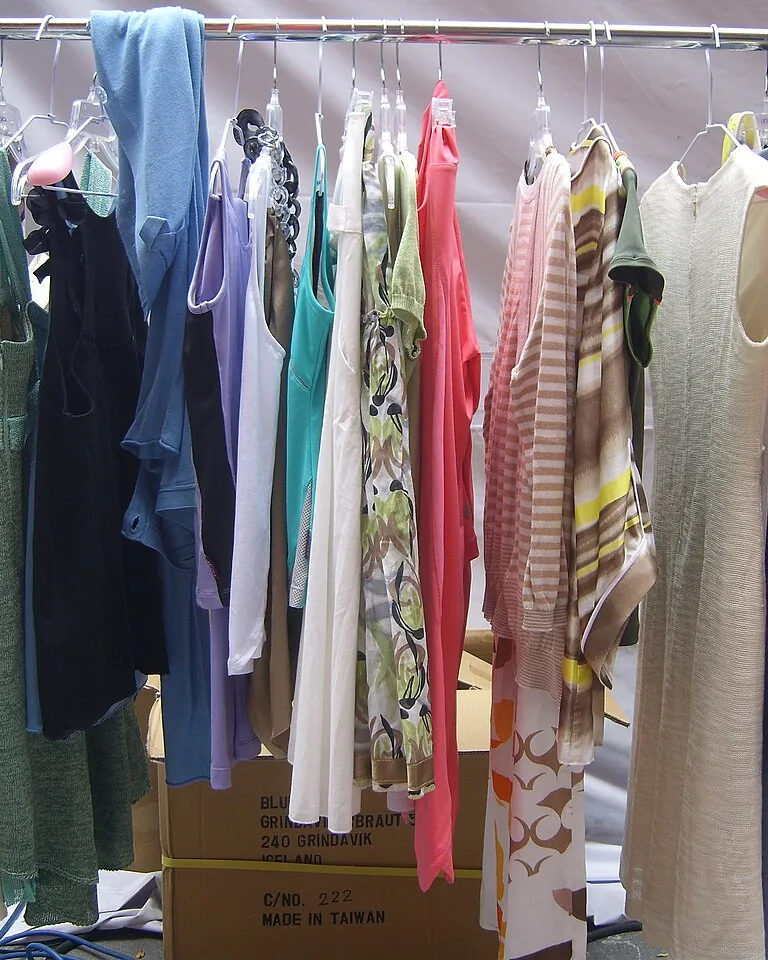
Renters can’t always add built-ins, but a closet still needs to function like one. Three freestanding pieces do the job: a sturdy garment rail for hanging, an open shelving unit for folded items and baskets, and a ceiling-mounted or tension-rod curtain to hide the visual noise. Nothing touches the walls, and every piece moves with you.
Keep the rail, shelves, and curtain in one consistent finish so the corner reads as a deliberate dressing zone rather than scattered furniture. Tip: a floor-length fabric curtain is the single highest-impact piece here — it instantly makes open storage look finished.
5. Moody Painted Cabinetry
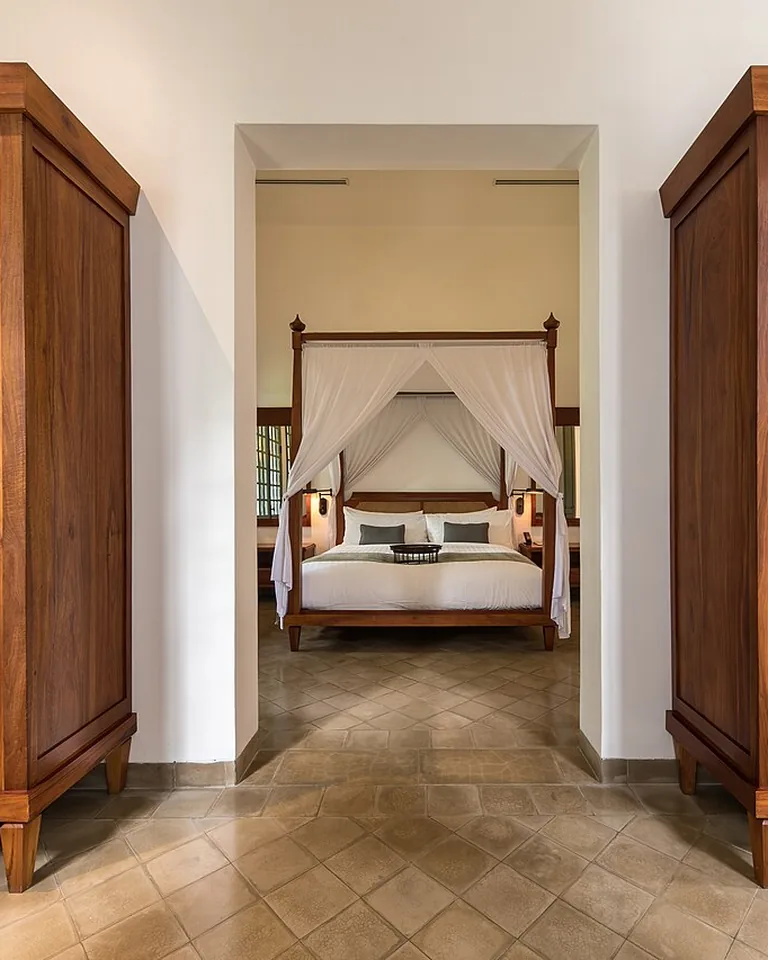
Deep green, navy, or charcoal cabinetry gives a closet a point of view that white shelves never will. Dark finishes make a small dressing room feel intimate rather than cramped, and they let brass hardware, leather details, and warm lighting glow against them. It’s a look borrowed from luxury dressing rooms, and it works at any budget.
Balance the drama with integrated LED strips on or under the shelves — dark cabinetry needs more light, not less. Pair the palette with moody bedroom tones so the closet and bedroom feel like one designed space. Tip: paint only the cabinetry, not the walls, if you want the richness without closing the room in.
6. A Floor-to-Ceiling Shoe Wall
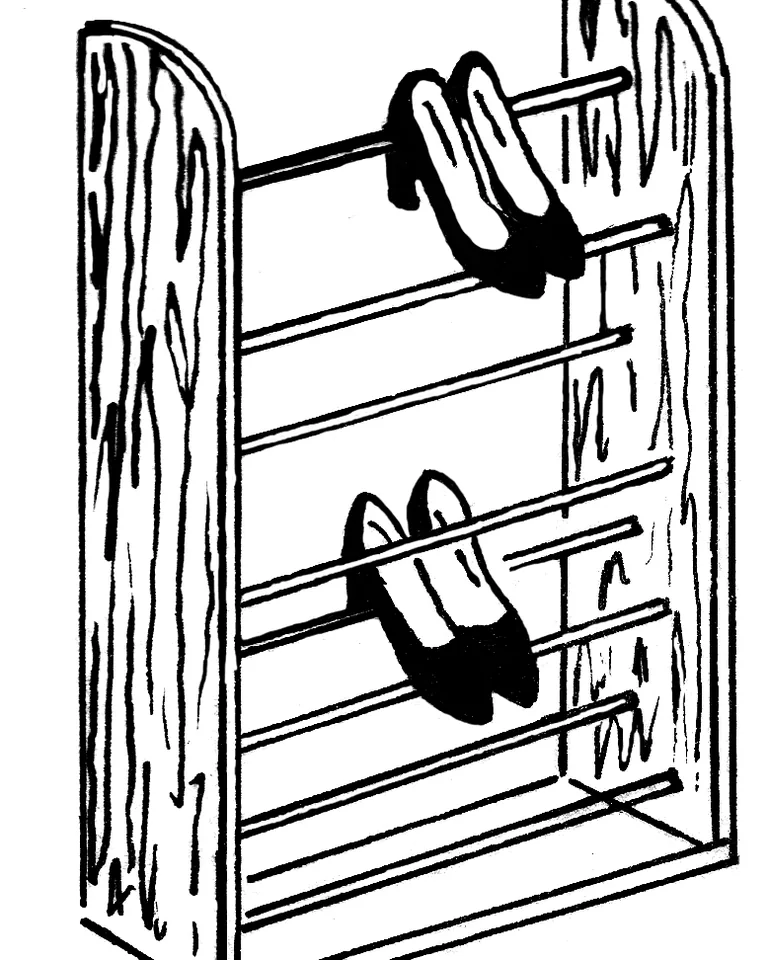
Shoes are what break most closets. A dedicated shoe wall — angled display shelves from floor to ceiling — ends the pile-by-the-door habit for good. Angled shelves show each pair at a glance, keep heels from toppling, and use the full height of the closet instead of one crowded floor row.
Store everyday pairs at eye level and below; move special-occasion and out-of-season shoes to the top shelves in clear boxes. Tip: measure your tallest boots before planning shelf spacing — one shelf section set to boot height saves constant rearranging.
7. The Closet With a Vanity Station
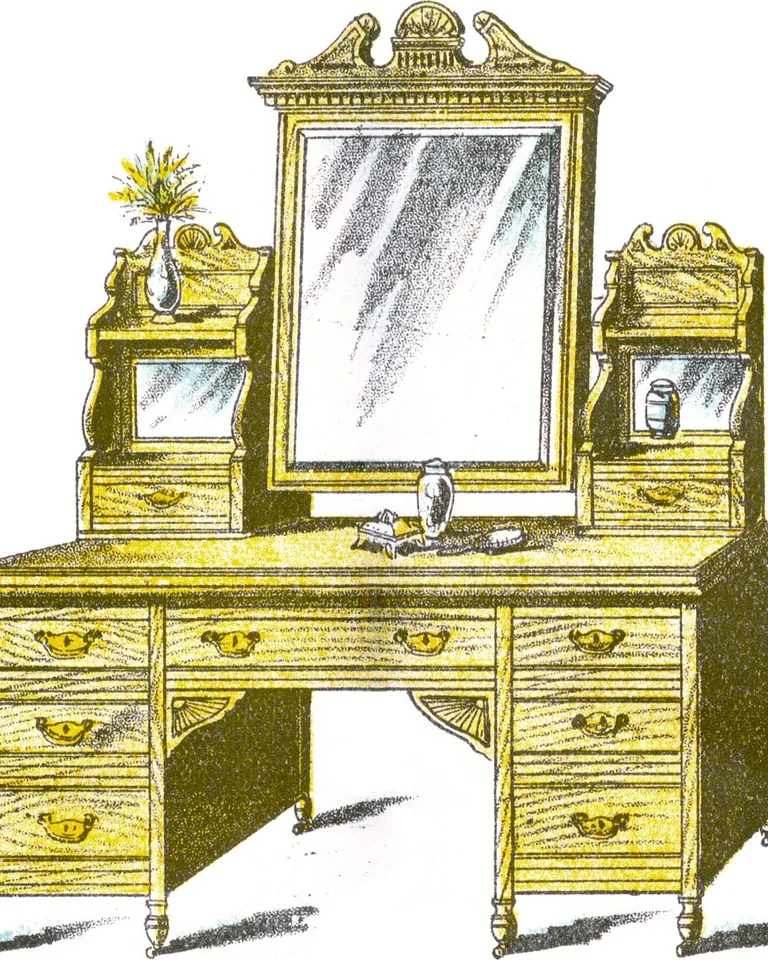
A dressing bench or a small vanity tucked into a walk-in closet changes how the room gets used. It becomes a place to sit for shoes, apply makeup, or plan an outfit instead of a room you grab clothes from and leave. A mirror with soft front lighting plus a few drawers for jewelry and cosmetics is all it takes.
Position the vanity where it catches daylight if possible; if not, add a daylight-balanced light fixture so colors read true. Tip: a rolling cart beside the vanity holds styling tools and keeps cords off the floor.
8. The Woven-Basket Budget Makeover

You don’t need custom cabinetry for a closet that looks designed. Uniform woven or fabric baskets on open shelves hide the clutter categories — scarves, swimwear, workout gear, seasonal extras — while adding texture that cheap plastic bins never do. Matching baskets are the fastest way to make mismatched open shelving look intentional.
Label each basket with a small tag so the system survives housemates and tired evenings. Tip: vacuum storage bags compress off-season clothes to a fraction of their size and slide neatly onto the top shelf above the baskets.
9. The L-Shaped Corner Closet
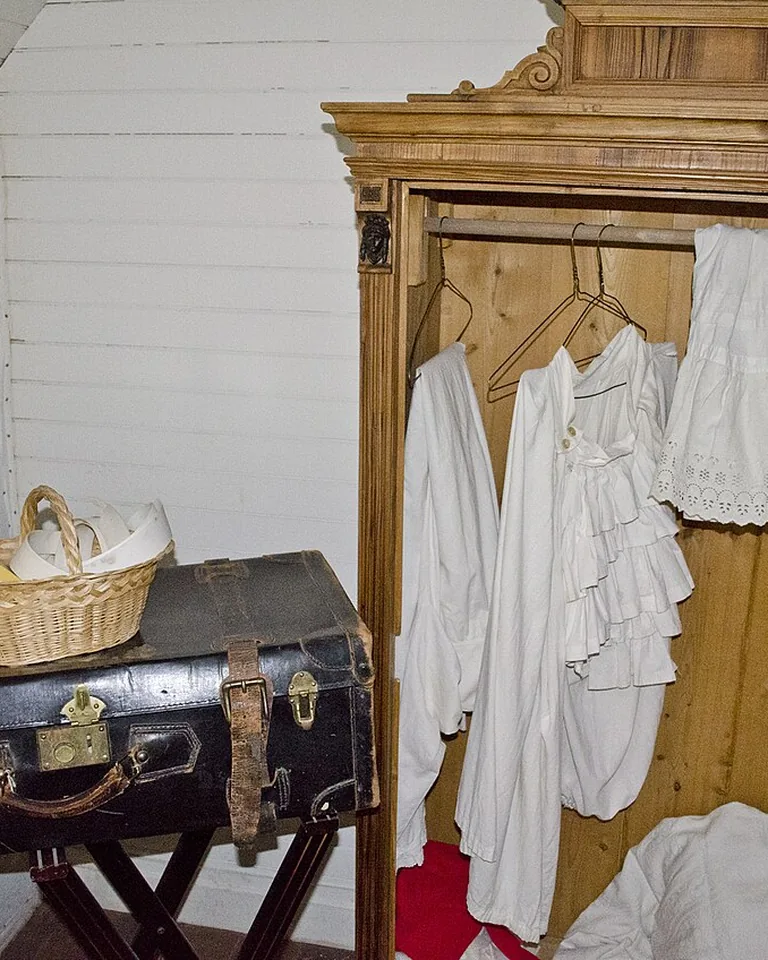
An awkward bedroom corner becomes the room’s best storage when two walls of wardrobe meet in an L. One arm handles long hanging and dresses, the other holds shelves, drawers, and folded items, and the corner itself takes an angled shelf or carousel unit so no space dies in the junction. The result feels like a small walk-in built from a forgotten corner.
Keep the corner zone for easy-access items — deep corners swallow whatever gets pushed in last. Tip: an angled corner shelf or pull-out carousel is worth the cost here; it’s the difference between usable storage and a black hole.
10. The Sunlit Window-Side Nook
That stretch of wall under a window is often wasted — too low for a wardrobe, too visible for a mess. Low dressers or drawer chests under the window turn it into prime closet real estate: perfect for folded clothes, accessories, and daily-use items, with a surface on top for a mirror, plants, or a catch-all tray. A few greenery touches thrive in the daylight and keep the nook from feeling purely utilitarian.
Keep the top surface half clear so it works as a dressing ledge, not another clutter magnet. Tip: drawer dividers inside the low dressers keep small items — socks, underwear, belts — sorted without digging.
11. The Valet Landing Zone for Worn-Not-Dirty Clothes
Here’s the habit that quietly wrecks every closet: clothes that aren’t dirty enough for laundry but don’t belong back on the rail. They end up on the chair, the floor, or the bed. A dedicated valet zone — a hook rail, a small bench, or one shallow basket near the closet — gives them a home and keeps the rest of the closet clean. It’s the organization idea almost no inspo list covers, and the one that prevents the most mess.
Clear the valet spot once a week; anything still there after a week either goes back or goes to laundry. Pair the zone with smart laundry room organization so the worn-not-dirty flow into laundry day feels seamless. Tip: a retractable valet rod inside the closet works as an indoor version of this — pull it out to stage tomorrow’s outfit, push it back when done.
Closet Organization FAQs
What is the first step in organizing a cluttered closet?
Edit before you organize. Pull everything out and sort into keep, donate, and toss — no storage system fixes a closet that’s holding clothes you don’t wear. Only after the purge should you plan zones and buy organizers.
How can I maximize storage in a small closet?
Go vertical first: add a double hanging rod to double hanging capacity, run shelves all the way to the ceiling for out-of-season items, and use the inside of the door for hooks or a slim organizer. Slim velvet hangers free up rod space without spending on new furniture.
What are some budget-friendly closet organization ideas?
Matching woven baskets on open shelves, over-the-door organizers for shoes and accessories, vacuum storage bags for bulky seasonal clothes, and adhesive hooks for bags and scarves — all cheap, renter-friendly, and genuinely effective.
Which hangers are best for a streamlined closet?
Slim velvet or flocked hangers. They take up far less rod space than plastic or wood, grip fabric so clothes don’t slide, and a single matching set makes the whole closet look instantly more organized.
How do I keep my closet organized long-term?
Follow a “one in, one out” rule for new purchases, give every category a fixed zone, and do a five-minute nightly reset — hanging the worn-not-dirty pieces in their zone and tossing laundry in the hamper. A seasonal edit twice a year catches drift before it becomes chaos.
Final Thoughts
The best closet inspo ideas aren’t about copying a photo — they’re about matching a layout to the way you actually dress. Small closets need double rods and vertical storage; walk-ins earn their footprint with an island and a shoe wall; rentals get by beautifully with a rail, shelves, and a curtain. Pick the one idea that solves your biggest daily friction, implement it this weekend, and your mornings will thank you.