Things Buyers Hate About Your House Before They Make an Offer (and How to Fix Them)

Most buyers decide how they feel about a house long before they finish the tour. It is rarely one dramatic problem that kills the offer. More often, it is a pile-up of small signals: a smell at the door, a cluttered counter, a stained ceiling, a price that does not match what they are seeing. Each one is easy to explain away on its own. Together, they tell a buyer the house will cost more — in money, time, or hassle — than the listing suggests.
The good news is that most buyer turn-offs are fixable, and the fixes that matter most are usually the cheapest. This guide walks through what buyers actually hate about a house before they make an offer, why each issue bothers them, and what to do about it before your first showing.

The Smell That Hits Before the Tour Even Starts

Smell is the fastest deal-breaker in a showing, because buyers cannot un-smell a house. Pet odor, cigarette smoke, mildew, a damp basement, or last night’s strong cooking smells all land the same way: the buyer stops looking at the rooms and starts wondering what is causing the smell — and what it will cost to remove.
Heavy air freshener makes it worse, not better. A wall of artificial fragrance reads as a cover-up, and buyers will assume you are hiding something. The fix is unglamorous but effective: find the source, then remove it. Deep-clean carpets and soft furnishings, wash curtains, empty trash cans, clean pet areas, fix the leak behind the musty smell, and let fresh air through the house before showings. If you want scent ideas that do not rely on plug-ins, see how to make your home smell good without air fresheners. A house that smells like nothing in particular smells like a house that has been cared for.
Clutter That Makes Every Room Look Smaller

Buyers do not buy square footage on paper. They buy what they can see and walk through. When counters, shelves, and floors are covered, rooms feel smaller, darker, and harder to use — even when the measurements are generous.
Clutter also blocks the mental picture buyers need. They are trying to imagine their own sofa, their own dining table, their own morning routine in the space. Your extra furniture, paperwork, and collections get in the way of that picture. Before listing, remove duplicate seating, clear kitchen counters down to one or two everyday items, and edit closets so they look like they have room to spare. Packed closets do not read as “lots of storage.” They read as “not enough storage.” A room should show its floor space, its windows, and its purpose at a glance.
A Tired Front Door and Weak Curb Appeal

Buyers form an opinion before they step inside — sometimes before they get out of the car. Peeling paint on the front door, a grimy threshold, an overgrown yard, or a cracked walkway plants a question that follows them through the whole tour: if the outside was neglected, what else was neglected?
Curb appeal does not require a landscaping project. Mow, trim shrubs away from windows, sweep the path and porch, clean the door and its hardware, and touch up obvious paint damage. A tidy entry says the house is maintained. A neglected one says the buyer is about to inherit a to-do list, and that feeling quietly lowers every offer that follows.
Dated Fixtures and Cheap Hardware Everywhere

One worn faucet is a detail. The same tired hardware on every cabinet, door, and drawer is a pattern — and buyers read patterns as the condition of the whole house. Shiny brass fixtures from decades ago, mismatched finishes, flimsy pulls, and yellowed plastic all make rooms feel older than they are.
This is one of the highest-return fixes in home selling because it is cheap and visible everywhere. Matching cabinet pulls, a modern faucet, and consistent finishes make a kitchen and bathroom feel refreshed without a renovation. You do not need to replace everything. Fix what looks damaged, inconsistent, or distractingly dated, and leave functional pieces alone.
Dark Rooms and Harsh Lighting

A dark room does not feel cozy to a buyer. It feels small, old, and hard to evaluate — and buyers distrust what they cannot see clearly. Heavy curtains, blocked windows, burnt-out bulbs, and dirty glass all hide the features that should be selling the house.
Harsh lighting is the opposite problem with the same result. One blazing ceiling fixture flattens a room, makes finishes look cold, and puts every scuff on display. Aim for layers instead: open curtains and clean the glass, use the ceiling light for general light, and add lamps for warmth. If a room still feels gloomy after that, these ideas for how to brighten a dark room can help before you spend anything on fixtures. Bright, even light makes rooms feel bigger, cleaner, and more inviting in photos and in person.
Kitchen Red Flags: Buried Counters and Tired Cabinets
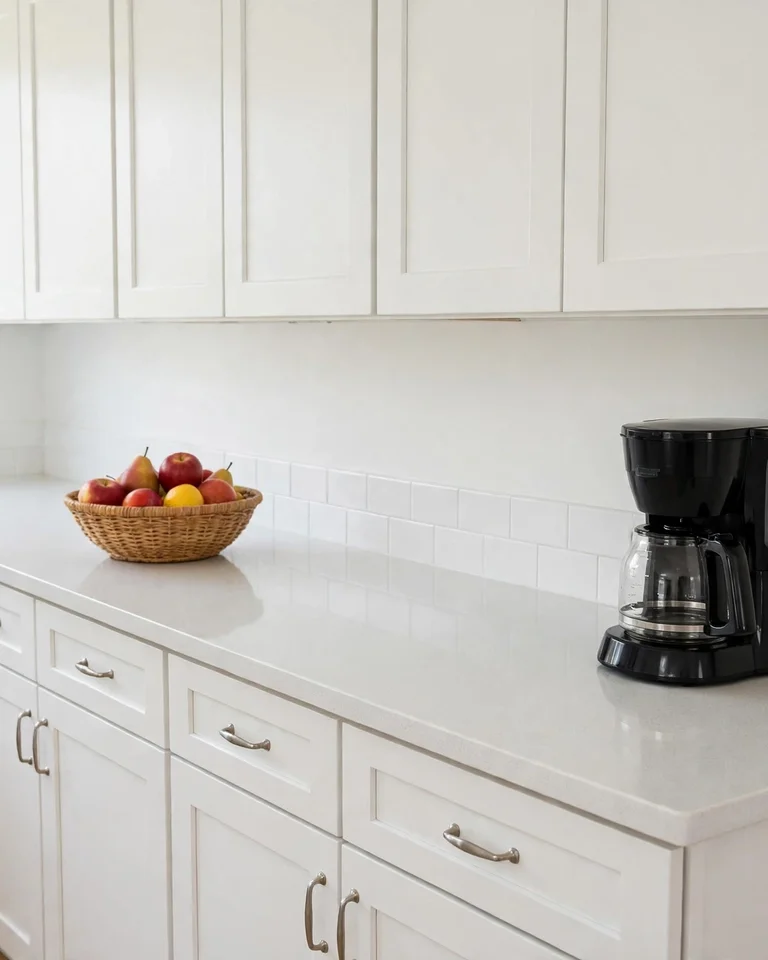
Kitchens carry more weight in a buyer’s mind than almost any other room, because everyone knows a kitchen renovation is expensive. So buyers scan for warning signs: counters buried under appliances, mail, and gadgets; cabinets that stick, sag, or refuse to close; stained grout; and mismatched, worn-out appliances.
Clear the counters to the essentials and protect the work zones — a landing spot near the fridge, a clear prep surface, and space beside the stove and sink. Test every door and drawer: tighten hinges, clean greasy fronts, and replace broken pulls. A cabinet that closes cleanly feels functional. One that needs a shove feels like the start of a repair list. You do not need a new kitchen. You need a kitchen that looks usable on day one.
Bathroom Red Flags: Damp Smells, Grout, and Poor Ventilation

Bathrooms are where small neglect looks biggest. A damp smell, stained grout, peeling caulk, a noisy fan, or a mirror that never clears tells buyers the room has moisture problems — and moisture problems suggest mold, leaks, and bigger bills.
Before showings, re-caulk where sealant has failed, scrub grout, fix the fan so it actually vents, and make sure the room dries out between uses. Keep counters clear of toiletries and personal items; buyers inspect bathrooms closely, and a spotless bathroom reads as a well-maintained house. For a refresh that stays current rather than trendy, modern farmhouse bathroom decor ideas show how simple, clean finishes make a bathroom feel updated without a remodel.

Water Stains, Cracks, and Other Signs of Neglect

Nothing alarms a buyer faster than a brown stain on a ceiling, bubbling paint, or a crack they cannot explain. These are not cosmetic issues to a buyer. They are questions: Is the roof leaking? Is there mold behind that wall? Is the foundation moving?
Painting over a stain without fixing the leak is the worst option, because inspectors find it and buyers then distrust everything else. Fix the source first, then repair and repaint properly. The same logic applies to small repairs in general: a dripping faucet, a loose doorknob, a cracked outlet cover, a sticking door. Individually, each is minor. Together, they suggest a house that has not been maintained, and buyers assume the hidden problems are worse than the visible ones. If a ceiling itself is the eyesore, ideas to cover an ugly ceiling can help — but only after any leak above it is fixed.
Worn Floors, Damaged Walls, and Dated Ceilings

Flooring covers a huge visual area, so damage stands out immediately: scratched hardwood, stained carpet, cracked tiles, loose transitions. The same goes for scuffed walls, chipped trim, and dated finishes like popcorn ceilings. Buyers do not need to be told these things need work. They can see it, and they start deducting the cost from their offer.
Deep-clean what can be cleaned, repair the worst sections, and repaint scuffed walls in a neutral color. Neutral paint does two jobs at once: it refreshes the room and lets buyers picture their own furniture in it. You do not need to refinish every floor. Fixing the most visible damage changes how the whole house reads.
Awkward Layouts, Blocked Paths, and Privacy Problems

Buyers notice bad flow with their feet. Furniture that forces a detour, a bedroom you reach through another bedroom, a bathroom with no real privacy, or a street-facing room with bare windows all make daily life feel awkward — and awkward is hard to stage away.
Walk the house the way a stranger would and move anything that blocks a natural path. Make sure every room has a clear purpose and that windows can be covered without killing the light; window ideas like those in kitchen window ideas show how to keep light and privacy at the same time. Where a layout problem is structural — a chopped-up floor plan, a bedroom without a closet, a bathroom off the kitchen — do not try to hide it. Price for it honestly or be ready to explain how buyers actually live with it. Buyers forgive an honest quirk far more easily than a disguised one.
Overly Personal Decor, Pets, and Sellers at Showings

Buyers need to picture themselves living in the house, and that is hard when every wall is covered in family photos, bold paint, collections, or highly specific decor. The goal is not to erase personality. It is to soften it enough that a stranger can see their own life in the rooms.
Pets and sellers at showings cause the same problem in a different way. Barking dogs, visible litter boxes, and hovering owners make buyers rush, feel uncomfortable, and cut the tour short — and a rushed tour rarely ends in an offer. Whenever possible, arrange for pets to be out of the house during showings and let the agent handle the tour. A short welcome note with the home’s highlights can say everything you want buyers to know without you being in the room. For layout choices that help buyers see a room’s purpose clearly, see how to arrange living room furniture around a TV and fireplace.
Pricing Mistakes: When the Price Does Not Match the Condition

Overpricing is not just a numbers problem. It changes how buyers experience the house. When someone walks into a top-of-market price and finds dated finishes, visible wear, and unfinished repairs, the disconnect feels jarring — and instead of negotiating, many buyers simply move on to the next listing.
The buyers shopping in your price range are comparing your house against everything else at that price. If your condition is a step below the competition, you have two honest options: bring the condition up to the price with targeted fixes, or bring the price down to the condition. What does not work is pricing for a renovated house while showing an unrenovated one. An overpriced home usually sits longer and sells for less than it would have at the right price from the start.
Quick Fixes Before Showings, in Order of Impact

If you only have a weekend before showings, spend it in this order:
- Fix smells at the source. Clean soft furnishings, fix leaks behind musty odors, and air the house out. Do not mask smells with heavy fragrance.
- Declutter and clear surfaces. Counters, shelves, closets, and floors — buyers need to see space, not stuff.
- Fix the entry. Clean the front door, sweep the path, mow, and trim anything blocking windows.
- Repair the obvious. Dripping faucets, sticking doors, cracked covers, peeling caulk, and stained grout — the small things buyers add up.
- Brighten every room. Clean windows, open curtains, replace dead bulbs, and layer lamps over harsh ceiling lights.
- Neutralize bold decor. Remove most personal photos, repaint loud walls, and let each room show one clear purpose.
- Price honestly. If a layout or condition issue cannot be fixed, reflect it in the price instead of hoping buyers will not notice. They will.
Most of these cost little more than time and cleaning supplies. What they buy is trust: a buyer who walks in and sees a maintained, move-in-ready home stops subtracting and starts imagining. That is the difference between a low offer, no offer, and a bidding conversation.

Frequently Asked Questions

What are the biggest turn-offs for home buyers?
Bad smells, clutter, poor curb appeal, visible maintenance problems, dated fixtures, dark rooms, and overpricing top the list. Individually, each is a minor complaint. Together, they make buyers doubt the condition of the whole house and lower their offers — or walk away entirely.
Should I fix small repairs before selling my house?
Yes. A dripping faucet or sticking door seems trivial, but buyers treat visible small problems as evidence of hidden bigger ones. Fixing the obvious repairs before listing builds confidence and removes easy reasons for a buyer to negotiate the price down.
How do I get rid of smells before a showing?
Remove the source instead of covering it: deep-clean carpets and curtains, clean pet areas, fix leaks behind musty smells, and ventilate the house. Heavy candles or plug-ins usually backfire, because buyers assume a strong fragrance is hiding a problem.
Does overpricing a home scare buyers away?
Yes, especially when the condition does not match the price. Qualified buyers in that price range will compare your home with better-conditioned competition and move on. Overpriced homes tend to sit longer and often sell for less than they would have at a realistic price from the start.
What updates matter most before listing — kitchen, bathroom, or curb appeal?
Start with curb appeal and cleaning, because they shape the first impression and cost the least. Then focus on kitchens and bathrooms with low-cost updates: clear counters, fix cabinets and hardware, refresh grout and caulk, and update dated fixtures. A full renovation is rarely needed to remove the biggest turn-offs.