
How to Make Your Home Smell Amazing Without Air Fresheners (11 Natural Ways)
You don’t need aerosol sprays or plug-in air fresheners to make your home smell amazing. The best approach is simpler: remove whatever is causing bad odors first, then layer in natural fragrance from ingredients you probably already own — citrus, herbs, spices, baking soda, and a few drops of essential oil.
Most commercial air fresheners just mask odors with synthetic fragrance; some can even irritate eyes and airways. The 11 ideas below neutralize the source of stale smells and then add real, natural scent, room by room.

1. Simmer a Stovetop Potpourri Pot
A simmer pot is the fastest way to make your whole home smell incredible — especially in a cozy living room made for lingering. Fill a pot with water, add sliced oranges or lemons, a few cinnamon sticks, cloves, and a sprig of rosemary or mint, then let it barely simmer on the stove. The steam carries the aroma from room to room in minutes.
Difficulty: Easiest · Cost: Pennies using fruit that’s past its prime. Pro tip: Keep it on a low simmer (never leave it unattended) and top up the water as it evaporates — one pot can scent your home for hours.
2. Run an Essential Oil Diffuser
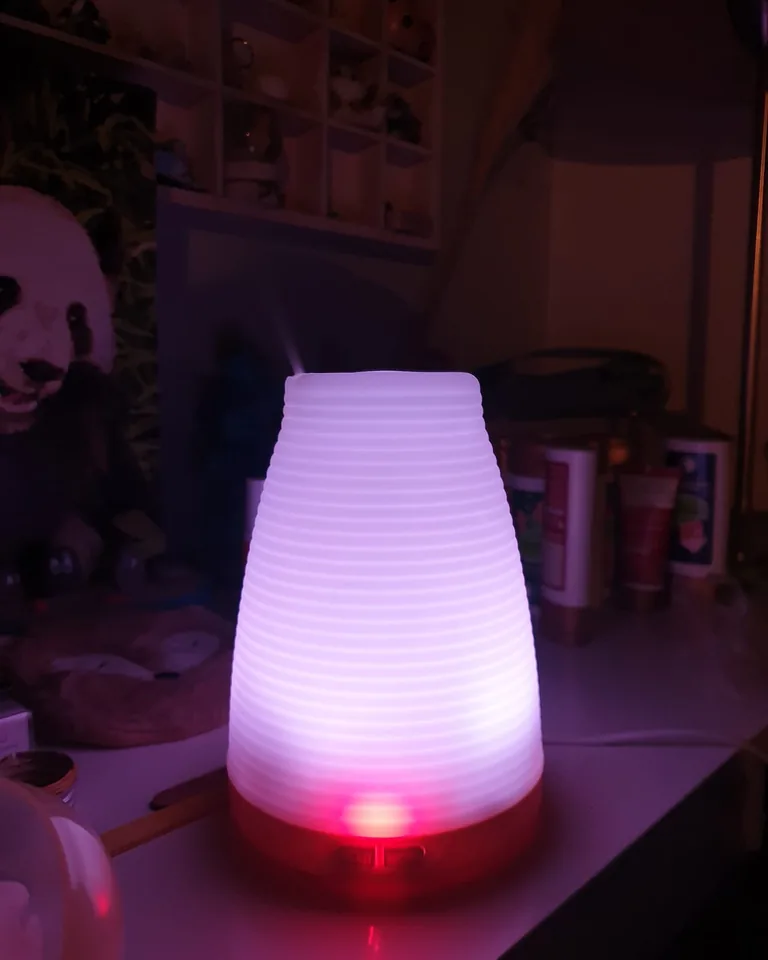
An ultrasonic diffuser turns water and a few drops of essential oil into a fine, even mist that scents a room for hours. Lavender feels calm, lemon feels bright and clean, and eucalyptus feels spa-fresh. It also adds a little moisture to dry winter air.
Difficulty: Easiest · Cost: $15–30 for a diffuser, oils last for months. Pro tip: Try lavender plus eucalyptus for a spa-like blend. If you have cats or dogs, double-check that the oils you diffuse are pet-safe — many, including tea tree, are not.
3. Mix a DIY Linen and Room Spray
Mix one cup of water, a tablespoon of witch hazel or plain vodka (it helps the scent disperse), and 15–20 drops of essential oil in a spray bottle. Mist it over curtains, throw pillows, upholstery, and bedding to freshen fabrics that hold onto cooking and pet smells.
Difficulty: Easy · Cost: Under $5. Pro tip: Shake the bottle before each use, and test the spray on a hidden patch of fabric first to be sure it won’t spot.
4. Set Out Bowls of Baking Soda

Baking soda doesn’t cover odors — it neutralizes them. Place a shallow bowl near the trash can, inside a musty closet, or on a bathroom shelf, and add a few drops of essential oil for a gentle scent. It quietly absorbs acidic odor molecules around the clock.
Difficulty: Easiest · Cost: Pennies. Pro tip: Sprinkle baking soda on carpets, let it sit 15–20 minutes, then vacuum — it pulls embedded odors out of fibers that sprays never reach. Refresh the bowls weekly.
5. Use Activated Charcoal in Closed Spaces
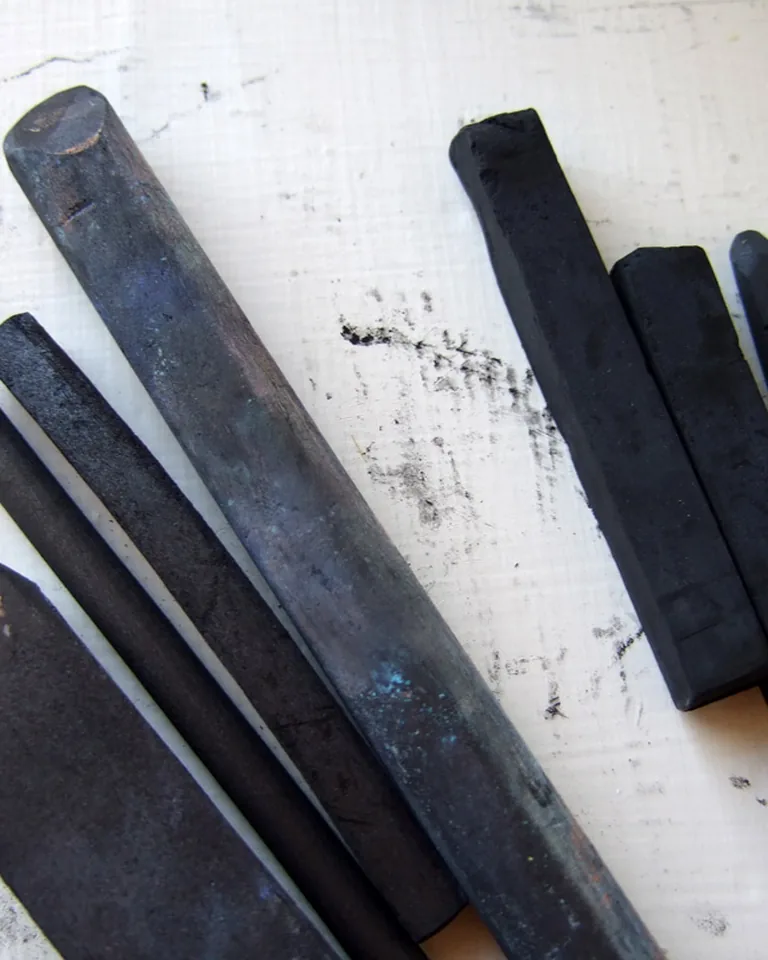
Activated charcoal’s porous surface traps and neutralizes odor molecules rather than masking them, making it ideal for shoe closets, pantries, and the cabinet under the sink. Small charcoal bags are inexpensive and stay effective for months.
Difficulty: Easiest · Cost: $5–10 for a set of bags. Pro tip: Reactivate used charcoal bags by setting them in direct sunlight for an hour — the heat releases trapped odors so they work again.
6. Tuck Scented Sachets in Drawers and Closets
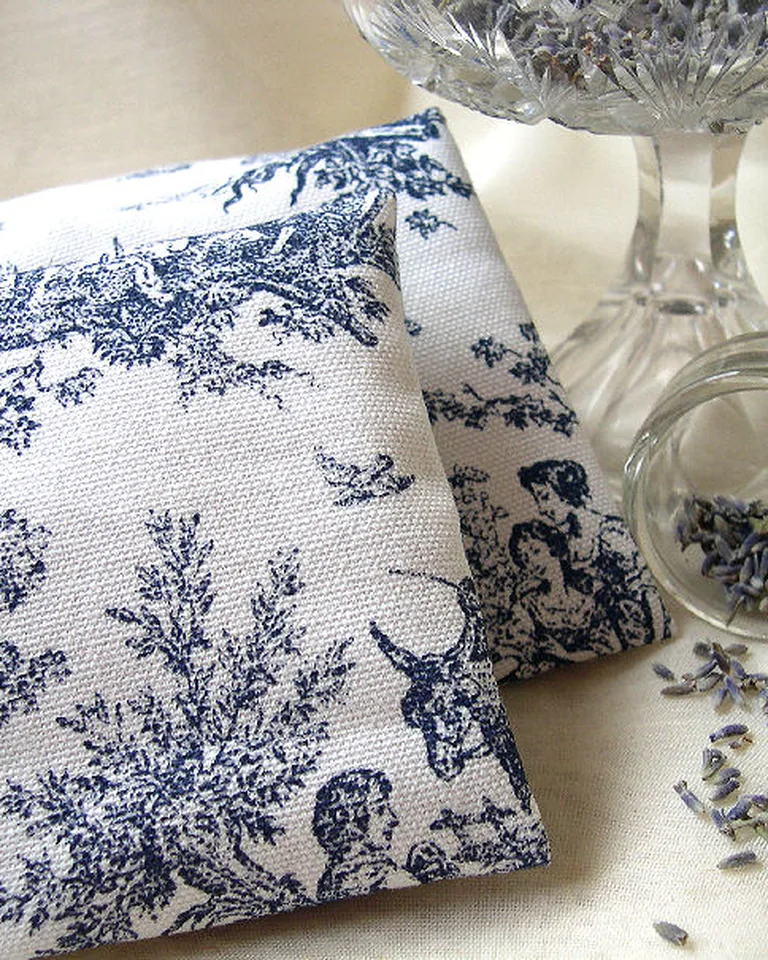
Fill small fabric pouches with dried lavender buds, rose petals, cedar chips, or dried citrus peel, and add a few drops of essential oil. Tuck them in dresser drawers, linen closets, and the entryway shoe rack to keep stored fabrics smelling fresh for months.
Difficulty: Easy · Cost: $5–10 for materials. Pro tip: Cedar sachets do double duty — they add a clean woodsy scent and help protect woolens and stored clothing naturally.
7. Hang a Eucalyptus Bundle in Your Shower

Tie a small bunch of eucalyptus stems with twine and hang it from your showerhead, away from the direct water stream. The steam releases the plant’s natural oils, turning an ordinary bathroom into a mini spa every time you shower.
Difficulty: Easiest · Cost: $5–10 per bundle. Pro tip: A fresh bundle lasts a few weeks; when the scent fades, replace it. Hang it behind the showerhead rather than under it so it dries between uses and lasts longer.
8. Grow Fragrant Houseplants and Herbs

Some houseplants pull double duty as decor and natural air fresheners. Jasmine smells sweet and floral, lavender is calming, and fresh herbs like rosemary, mint, and basil release scent when you brush past them. Peace lilies and snake plants also help filter common indoor pollutants.
Difficulty: Easy · Cost: $5–15 per plant. Pro tip: Place fragrant plants near windows or vents so air movement carries their scent through the room — tucked in a still corner, most plants scent very little.
9. Freshen Drains With Lemon and Baking Soda

Kitchen and bathroom drains are hidden odor factories. Pour a half-cup of baking soda down the drain, follow it with a cup of white vinegar, let it fizz for 10 minutes, then flush with hot water. Drop half a lemon through a garbage disposal and run it to leave a sharp, clean citrus scent.
Difficulty: Easy · Cost: Pennies. Pro tip: Skip the lemon if you have natural stone sinks — citrus acid can etch stone. Used lemon halves from cooking work just as well as fresh ones.
10. Set Up a Reed Diffuser for Hands-Off Scent
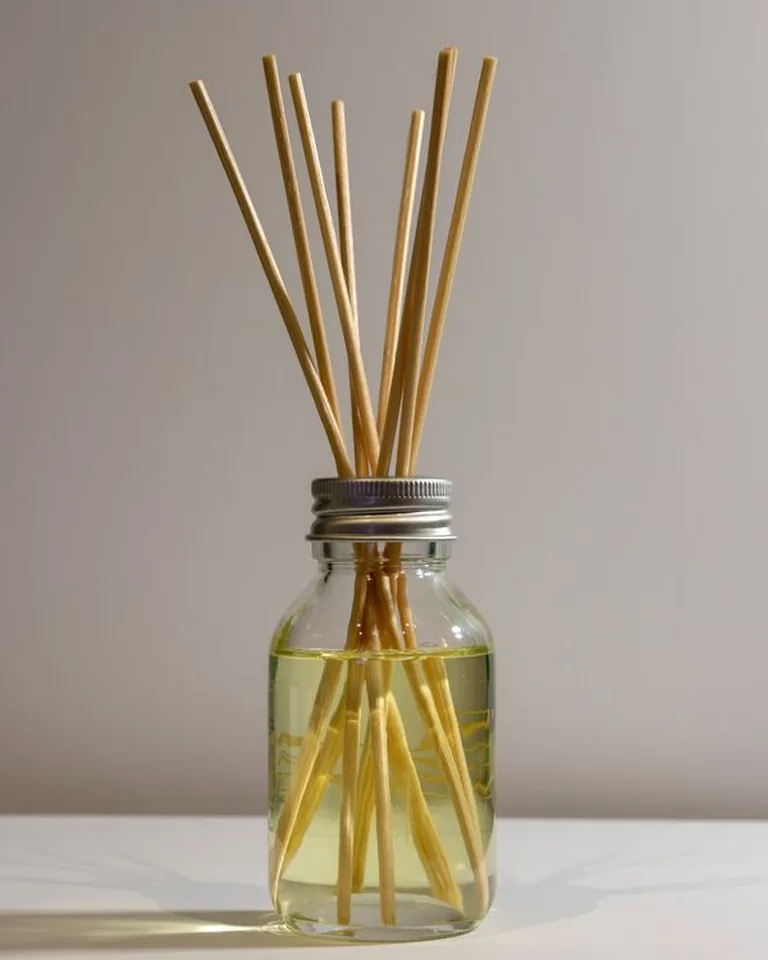
Reed diffusers scent a room continuously with zero flames, heat, or electricity. Fill a small glass jar with a light carrier oil, add a teaspoon of essential oil, and place rattan sticks in the jar. The oil wicks up the sticks and releases a steady, subtle fragrance.
Difficulty: Easy · Cost: $10–20 for a DIY setup. Pro tip: Flip the sticks once a week to refresh the scent. Reed diffusers are perfect for entryways, powder rooms, and offices where candles feel risky.
11. Swap to Naturally Scented Cleaners

A lot of stale smell lives in the cleaning products themselves. Make an all-purpose spray from equal parts white vinegar and water, a squeeze of lemon juice, and 10 drops of essential oil. It cleans counters, sinks, and floors while leaving a fresh citrus-herb scent instead of a chemical one.
Difficulty: Easy · Cost: Pennies per bottle. Pro tip: Keep a second bottle with plain baking soda and essential oil for scrubbing sinks and trash cans — the mild abrasion plus odor neutralization is hard to beat.
Frequently Asked Questions
How can I make my house smell good without air fresheners?
Start by removing odor sources — take out the trash, wash fabrics, and clean drains — then add natural scent with simmer pots, essential oil diffusers, baking soda, or fresh herbs. Ventilate rooms daily so stale air doesn’t get trapped.
Does baking soda actually remove bad smells?
Yes. Baking soda is amphoteric, meaning it neutralizes both acidic and alkaline odor molecules rather than masking them. It works best in enclosed spaces like refrigerators, closets, and on carpets, where it has time to absorb odors before you vacuum or replace it.
What natural smells make a house smell good?
Citrus (lemon, orange, grapefruit), fresh herbs (rosemary, mint, basil), warm spices (cinnamon, cloves), florals (lavender, jasmine, rose), and clean botanicals (eucalyptus, cedar) are the most universally loved natural home scents. Pick what feels pleasant rather than overwhelming — subtle beats strong.
Are simmer pots safe to leave unattended?
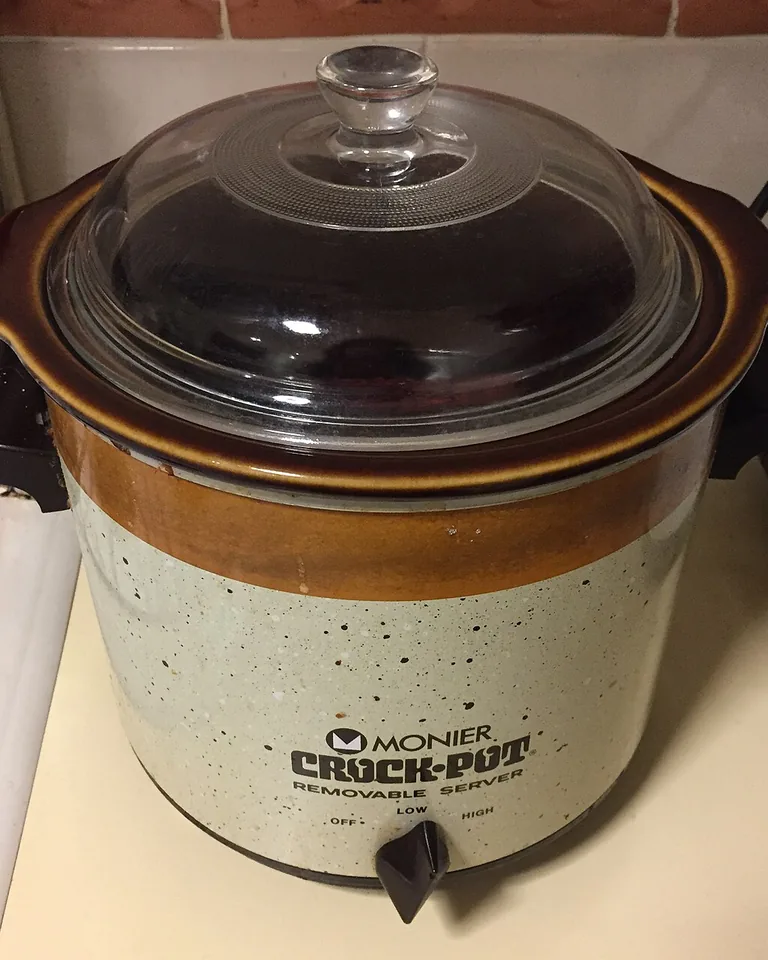
No — never leave a simmer pot unattended on a hot stove, and keep it well filled with water so the pot doesn’t scorch. A slow cooker on low with the lid off is a safer hands-off alternative that produces the same scented steam.
How do I get rid of a musty smell in my house?
Track down the moisture source first: damp towels, closets, carpets, bathrooms, or leaks. Dry the area thoroughly and clean it with vinegar, then use baking soda or activated charcoal to absorb lingering odor. Persistent mustiness may signal a mold problem that needs investigation rather than fragrance.