12 Decorating with Light Ideas That Make Any Room Feel Warm and Finished
Decorating with light is less about buying more lamps and more about deciding where the eye should land. The rooms that feel warm and finished almost always have the same thing in common: several small pools of light at different heights, one clear glowing focal point, and no single harsh ceiling light doing all the work.
Start with that idea and the rest gets easier. Pick one place to glow in each room, layer a few supporting lights around it, and choose warm bulbs for rooms where you relax. The twelve ideas below work room by room, and most of them need no rewiring at all.
If a room feels flat even after you have furnished it, light is usually the missing layer. A quick primer on how to brighten a dark room pairs well with the ideas here, especially if your starting point is a north-facing space or a room with only one window.
1. Layer Three Types of Light in Every Room
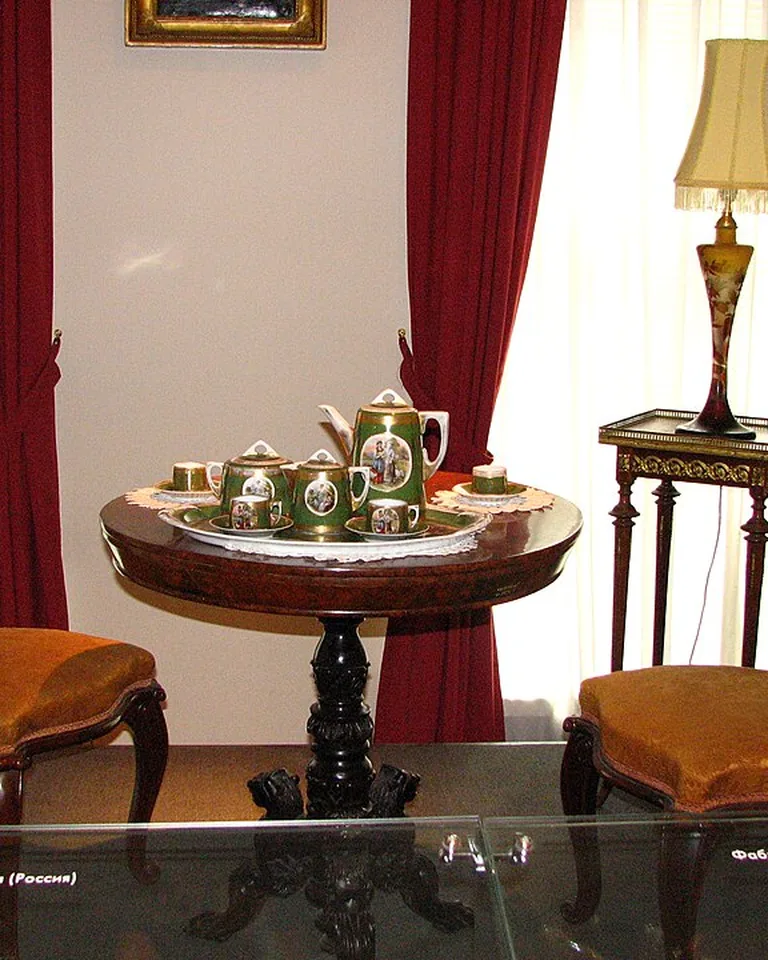
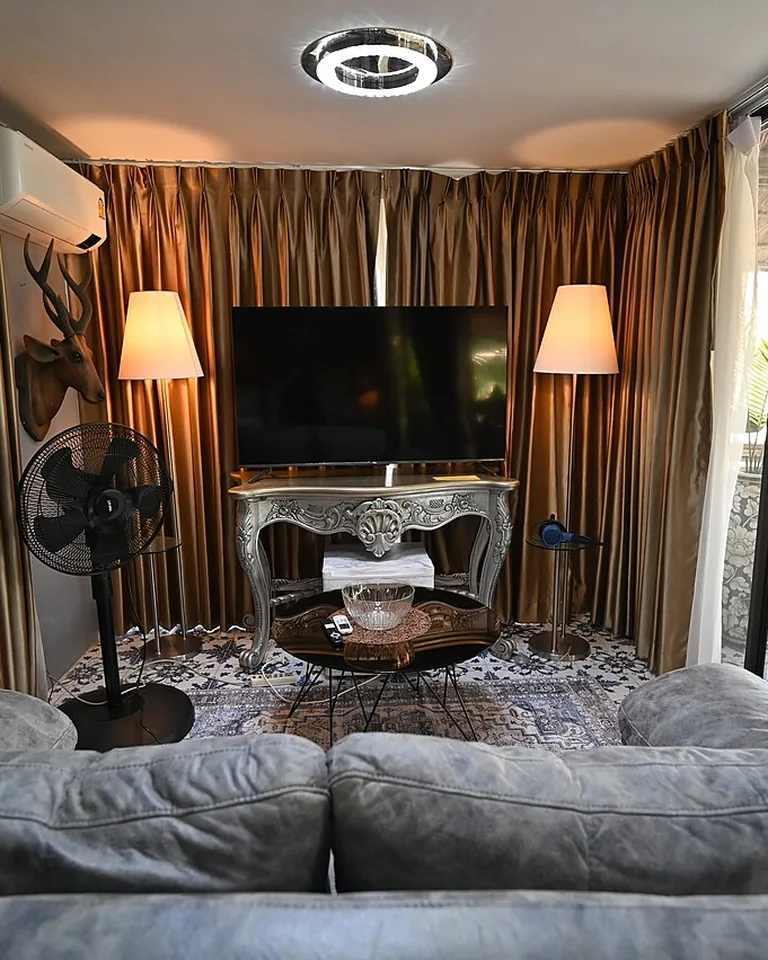
Good lighting has three jobs, and one fixture cannot do all of them. Ambient light gives the room its general brightness, task light helps you read or cook, and accent light draws attention to art, shelves, or a textured wall. A living room with only a ceiling light feels flat because it has ambient light and nothing else.
Tip: aim for three to five light sources in a main living space, spread across the room at different heights — a floor lamp in a corner, a table lamp beside the sofa, and one accent light on a shelf or console will change the whole evening feel.
2. Run String Lights Along a Headboard Wall
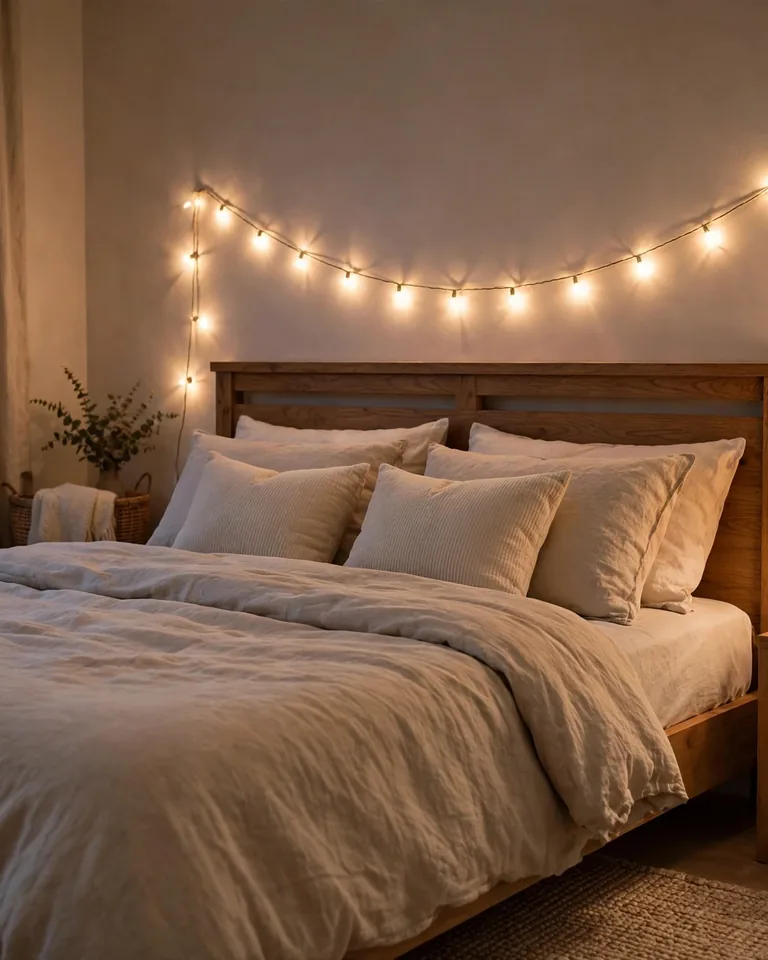
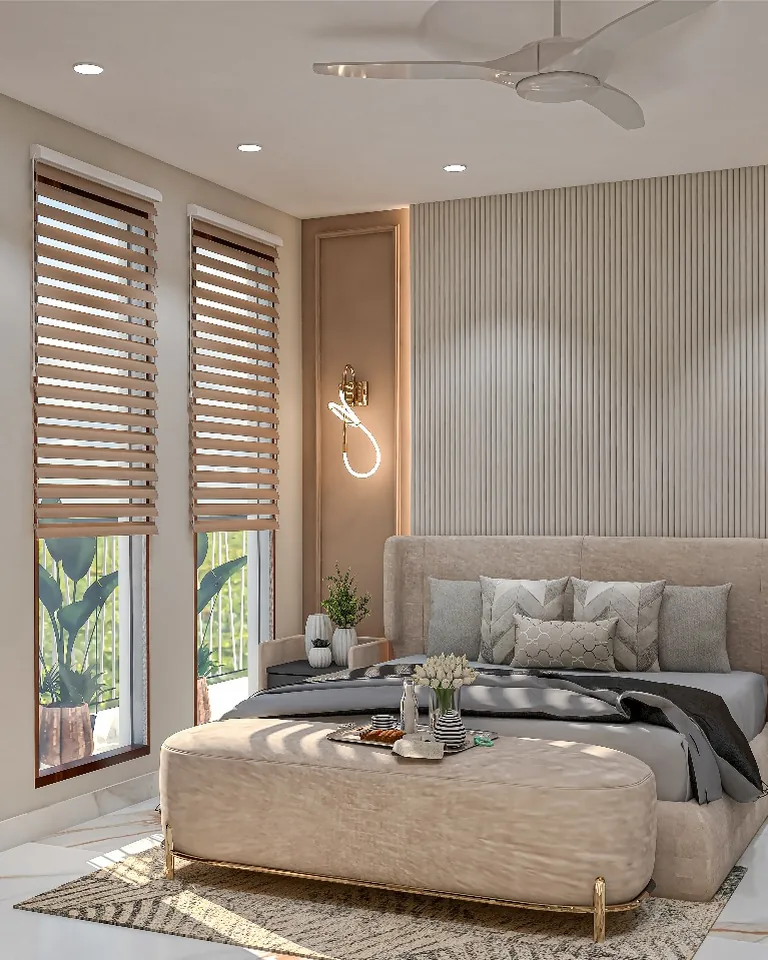
A single strand of warm-white string lights along the top of a headboard, or tucked just behind it, gives a bedroom a soft evening glow without a new fixture. The trick is restraint: one line, evenly spaced, beats several tangled strands crossing the wall.
Tip: choose warm white rather than cool white, and keep the wire hidden behind the headboard or a picture ledge so you see the glow, not the cable.
3. Hang Curtain Lights Behind Sheer Curtains
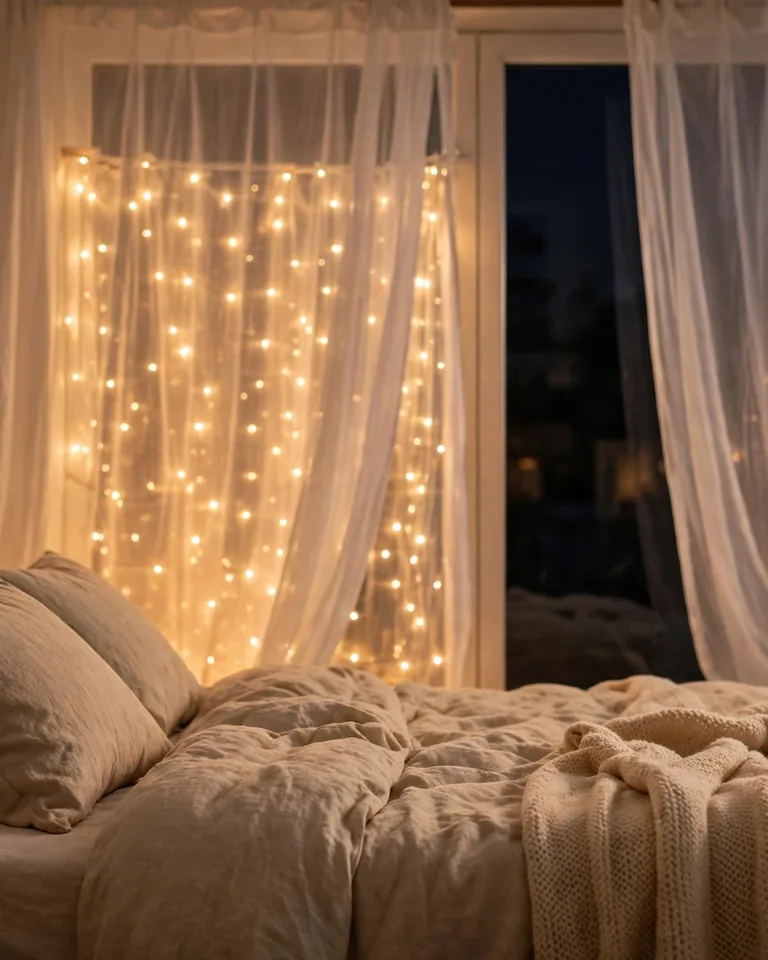
Vertical curtain lights hung behind sheer fabric turn an ordinary window into a glowing backdrop after sunset. The sheer layer softens each bulb into one even wash of light, which is far more flattering than bare bulbs on a dark wall.
Tip: this works best with lightweight sheers. If your current window coverings are heavy, look at lighter window treatment ideas for the same window so daylight still gets through during the day.
4. Hide LED Strips Behind Shelves and Headboards
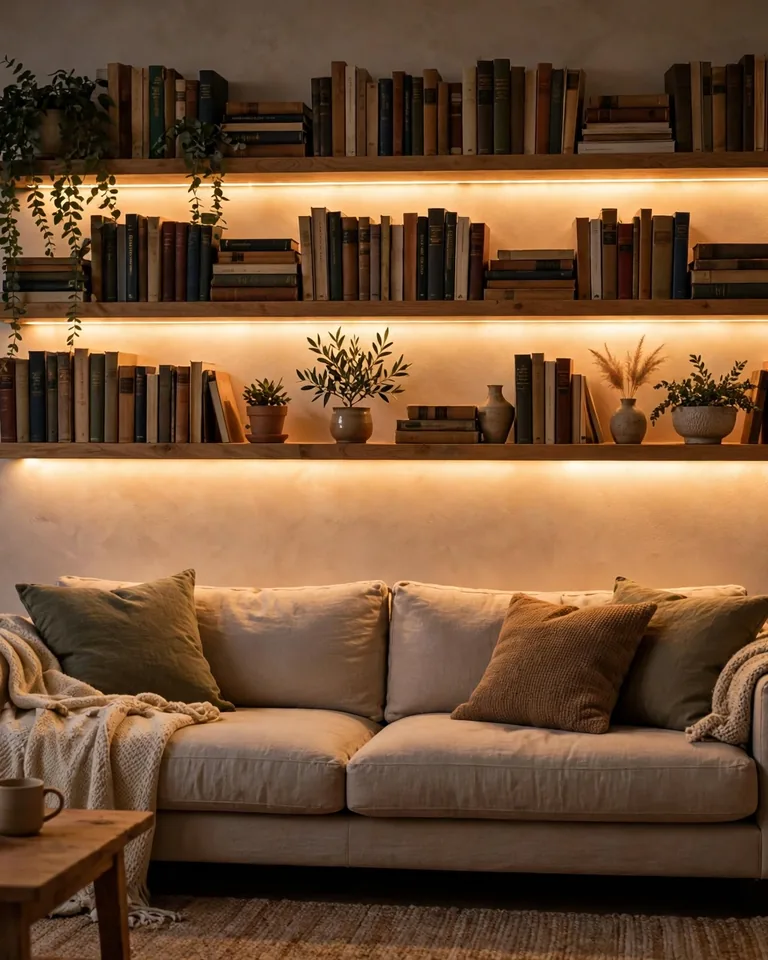
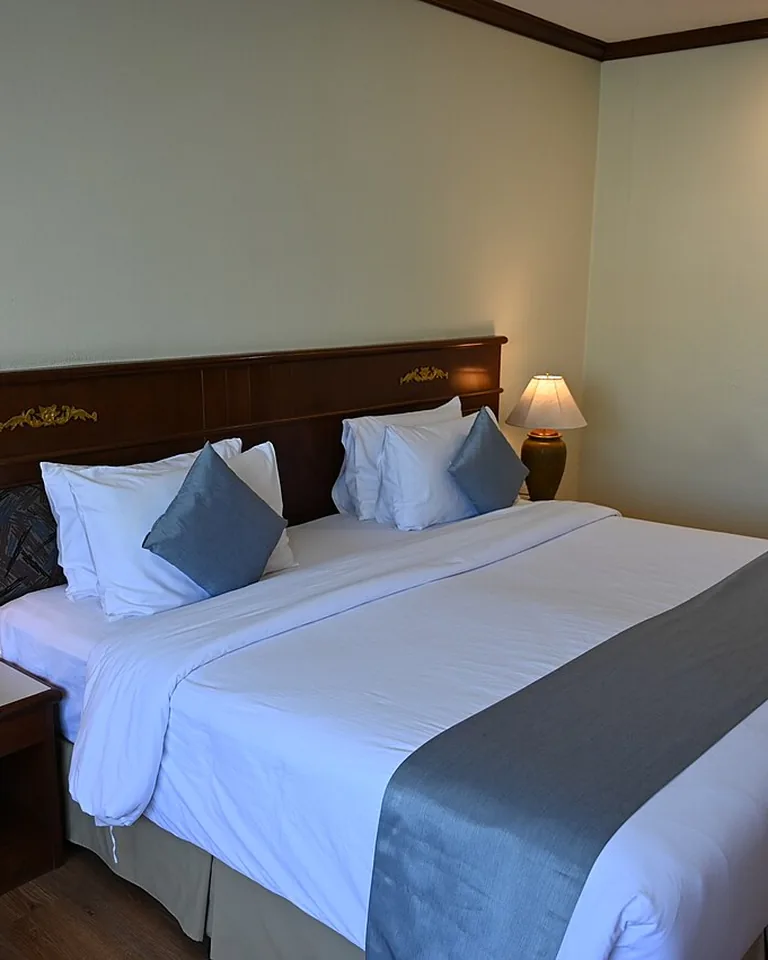
The most polished-looking light in a room is often the one you cannot see. An LED strip stuck to the back of a shelf, behind a headboard, or under a floating console washes the wall with light and makes furniture look like it is floating.
Tip: hide the strip itself so no individual dots are visible from where you sit, and use a dimmable warm-white strip for everyday rooms. Save bright color-changing modes for parties or a game night.
5. Hang Pendant Lights Over the Kitchen Island or Dining Table
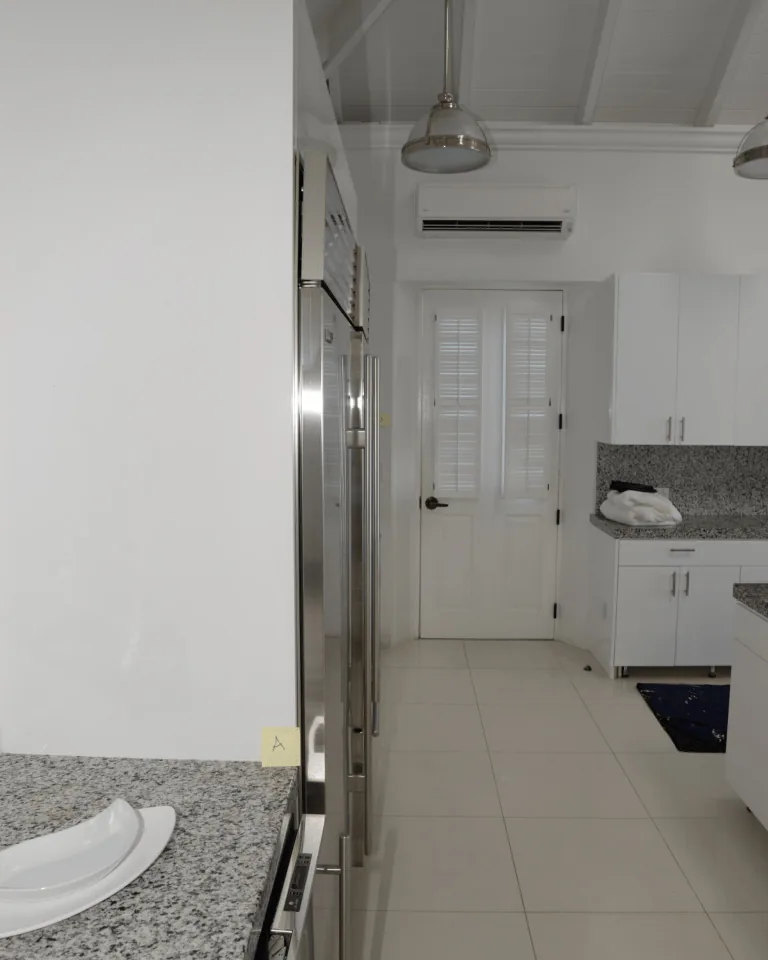
Pendant lights do two jobs at once in a kitchen or dining room: they give you focused light exactly where you chop, eat, and talk, and they act as the room’s jewelry. A pair or a small cluster over an island looks intentional where a single bare ceiling bulb looks unfinished.
Tip: hang pendants about 30 to 36 inches above the counter or table surface, and put them on a dimmer so the same lights work for cooking and for dinner.
6. Flank the Bed, Mirror, or Fireplace with Wall Sconces
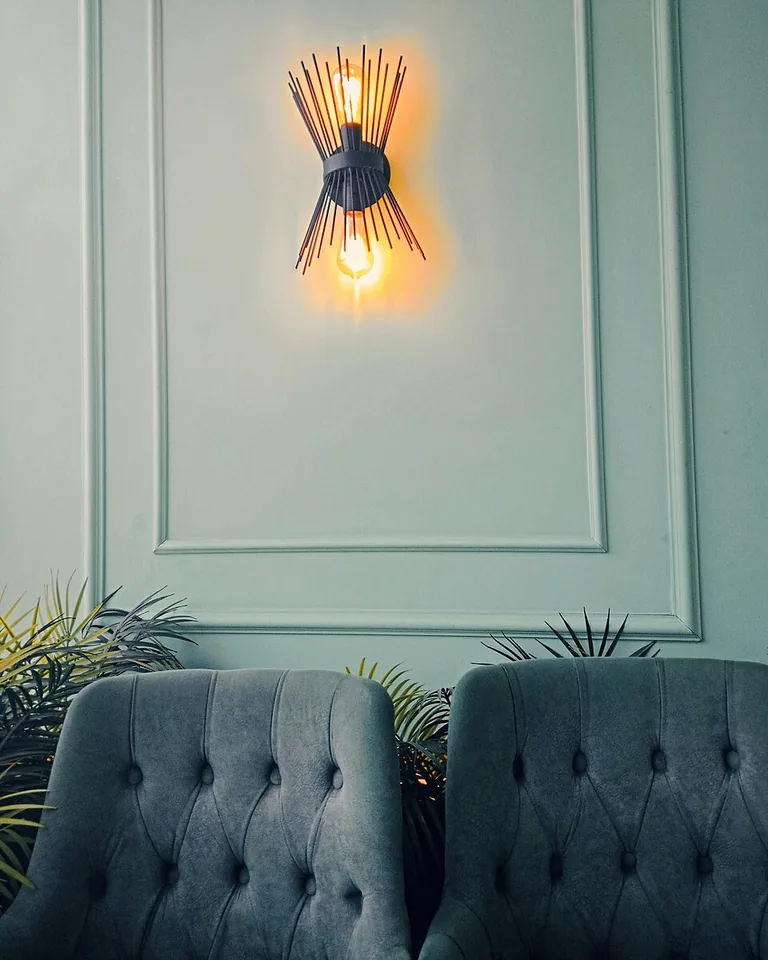
Sconces free up nightstand and table space while giving you light exactly where you need it. A pair flanking a bed makes reading comfortable, a pair beside a fireplace frames the room, and matching sconces on either side of a mirror give balanced, shadow-free light.
Tip: for bedside reading, mount sconces roughly 55 to 60 inches from the floor so the light falls on the page, not in your eyes. A cozy living room fireplace is a natural place to try this pairing if your mantel feels bare.
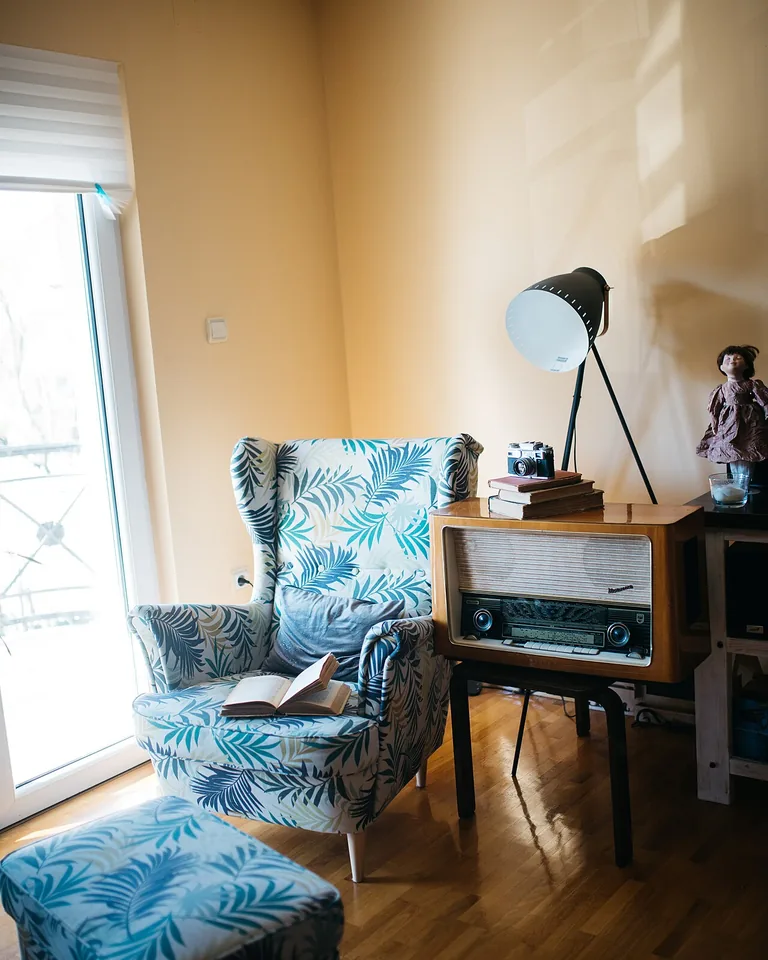
7. Put a Floor or Table Lamp in the Dark Corner
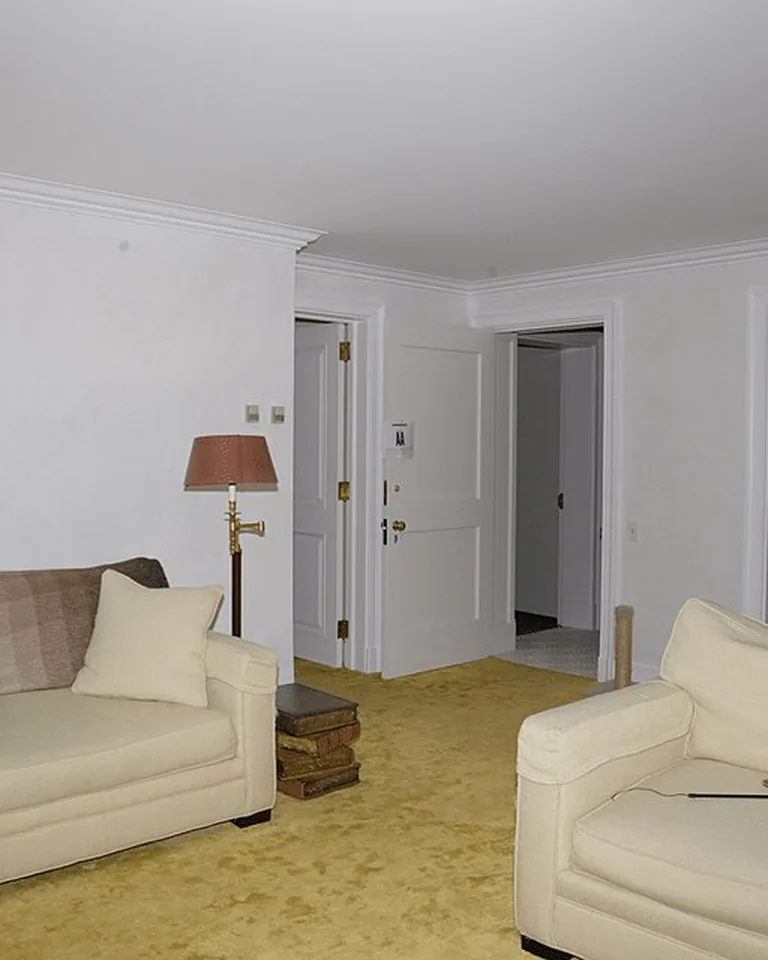
Every home has a corner that goes dark by 6 p.m. — the end of a hallway, the chair nobody sits in, the space beside a bookcase. One lamp there does more than brighten that corner: it pulls the whole room into balance and stops the rest of the room from feeling like it ends at the sofa.
Tip: pick a shade that diffuses light rather than a bare bulb, and place the lamp so its glow lands on a wall or a chair, not straight into someone’s line of sight.
8. Add Picture Lights or Small Spots for Art and Shelves
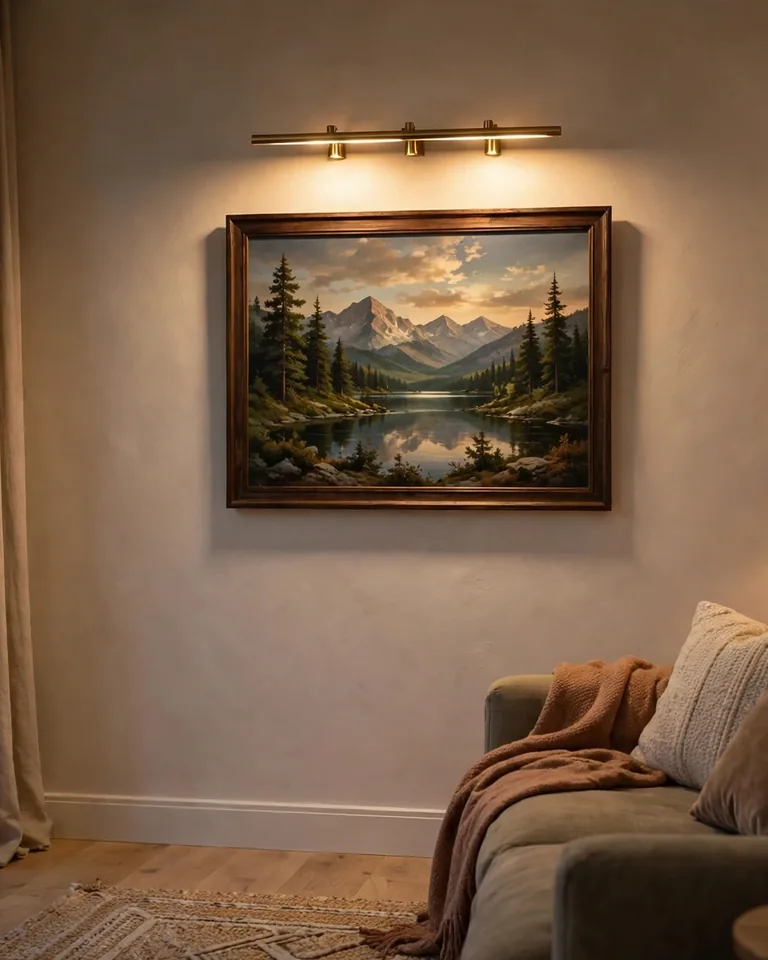
Art that sits in the dark might as well not be on the wall. A slim picture light above a frame, or a small battery-powered spot aimed at a shelf display, makes the piece the focal point of that wall and adds a layer of depth to the room.
Tip: accent light reads best when it is noticeably brighter than the general room light, so keep the rest of that wall calmer and let the lit piece do the talking.
9. Set Out Lanterns and Flameless Candles for Table Glow
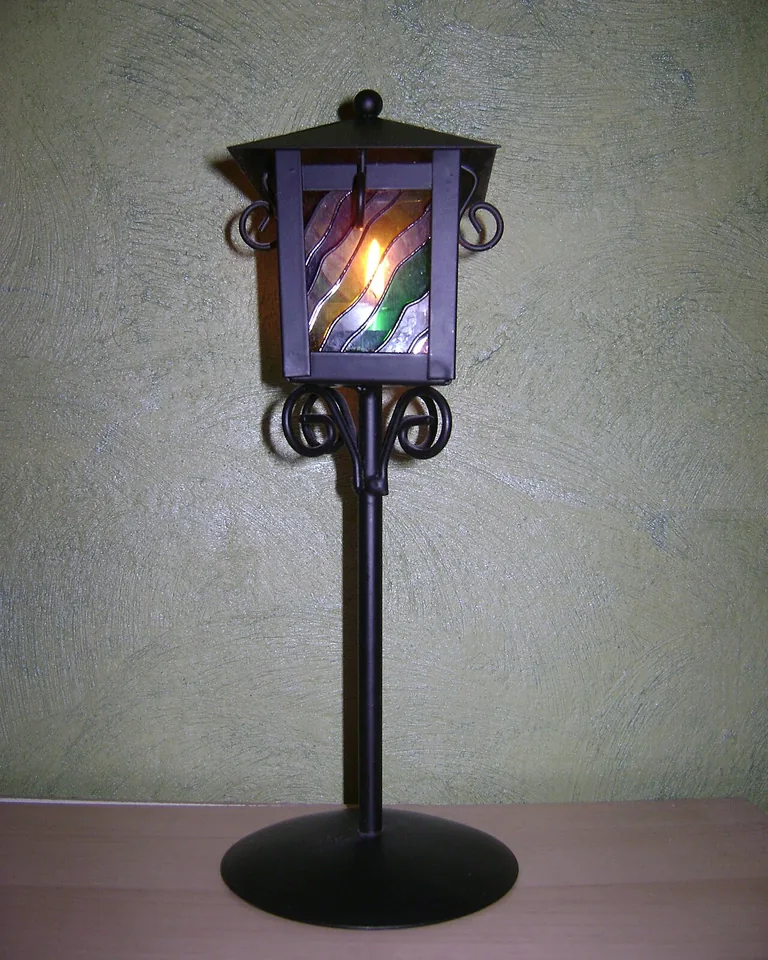
Nothing softens a dining table or coffee table faster than candle-height light. A cluster of lanterns or flameless candles gives you that low, warm flicker without worrying about an open flame near fabric, kids, or pets.
Tip: group candles in odd numbers and at different heights, and keep them low enough that you can still see across the table. Battery candles with a timer are the easiest version of this idea.
10. Use a Mirror to Double the Daylight You Already Have
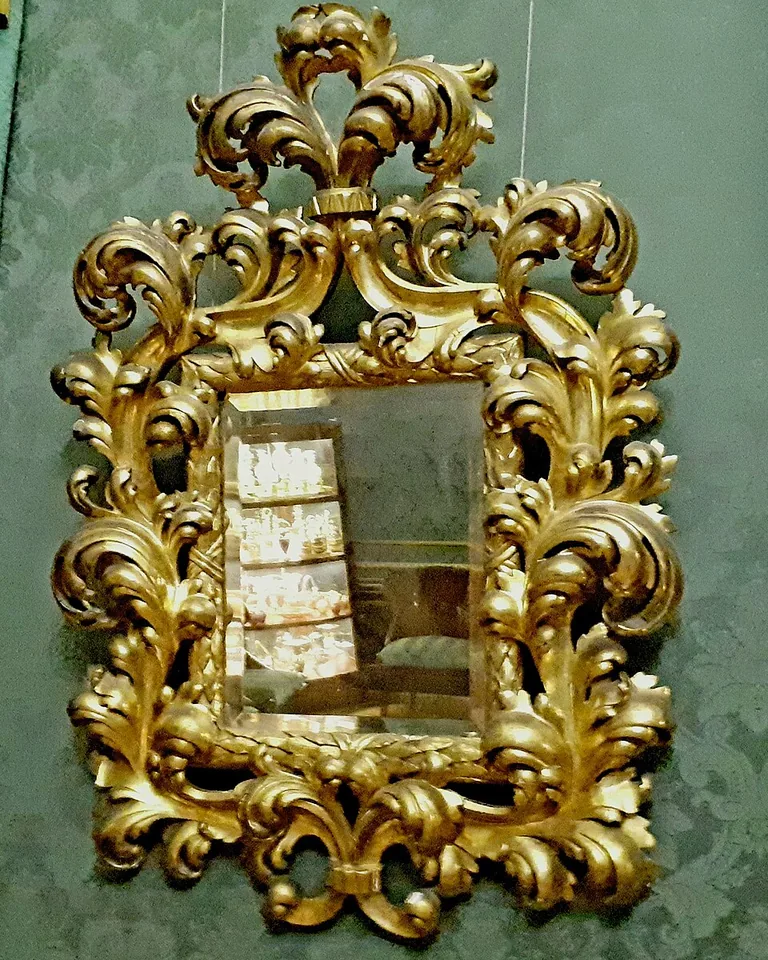
A large mirror placed opposite or beside a window bounces daylight across the room, which can make a small space feel noticeably brighter and larger. It costs nothing to run and works all day, unlike any lamp.
Tip: angle the mirror so it reflects a window or a bright wall, not a cluttered corner. A bay window seat is an ideal spot to test this, since the light and the view are already there.
11. Light the Bathroom Mirror from Both Sides
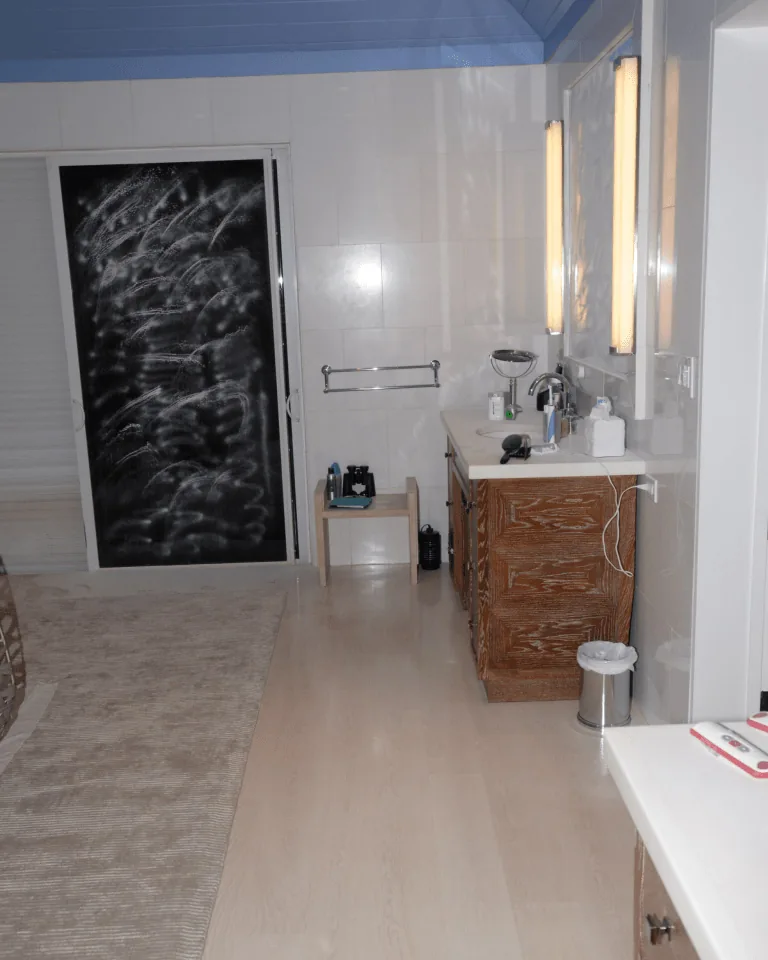
A single overhead light above a bathroom mirror casts shadows downward and makes getting ready harder than it should be. Lights on both sides of the mirror, at about face height, give even light and a much more flattering reflection.
Tip: if you cannot add wiring, a pair of plug-in or battery sconces at mirror height is a good stand-in, and a warm-to-neutral bulb keeps skin tones looking natural.
12. Take the Glow Outside with Patio String Lights and Porch Lanterns

Outdoor light extends your living space after dark. String lights strung along a patio cover or fence, plus a lantern or two by the door, make an evening outside feel like a room rather than a dark yard.
Tip: use lights rated for outdoor use, keep plugs and connections sheltered from rain, and choose warm white outside too — cool blue-white strings can make a patio feel like a parking lot.
Before you buy anything, do a quick audit: count the light sources in the room you want to fix, note their color, and find the darkest corner. Then add one focal glow, one supporting lamp, and a dimmer where you can. That small sequence — focal point first, layers second, warm bulbs throughout — is what separates a room that is merely lit from one that feels decorated with light.
Frequently Asked Questions
What color temperature is best for a cozy room?
Warm white bulbs in the 2700K to 3000K range give the golden, relaxing glow most people want in living rooms and bedrooms. Cooler bulbs above 3500K are better saved for task areas like a kitchen counter or a home office, where you need clearer detail.
How many light sources does a living room need?
Three to five sources at different heights is a good target for most living rooms — for example, one floor lamp, two table lamps, and one accent light on a shelf or console. The goal is to remove the single harsh overhead source and replace it with soft pools of light around the room.
What is layered lighting, and how do I use it?
Layered lighting means combining ambient light for general brightness, task light for specific jobs like reading or cooking, and accent light to highlight art or architecture. Start with ambient light, add task light where you sit and work, then finish with one or two accent lights.
How can I decorate with string lights without making a room look like a holiday display?
Keep it to one focal area, use warm white bulbs, and hide the wire behind a headboard, curtain, or shelf so only the glow shows. When the rest of the room stays calm, a single strand reads as decor rather than decoration left over from December.
How should I light a bathroom mirror without harsh shadows?
Place light on both sides of the mirror at about face height instead of relying on one overhead fixture. Side lighting removes the downward shadows that an overhead light creates and gives a more even, natural-looking reflection.