11 Window Painting Ideas for Beautiful Painted Glass (Easy DIY Guide)
Painting directly on window glass is one of the fastest ways to turn a plain pane into a custom piece of decor. Whether you want a stained-glass look, a frosted privacy pattern, or a seasonal scene you can wash off when the mood changes, the technique is the same: use the right paint for glass, keep the design balanced with the view, and plan for removal before you start. Below are 11 window painting ideas that work in real homes, plus exactly which paints to use and how to clean everything off without scratching the glass.
Painting directly on window glass is one of the fastest ways to turn a plain pane into a custom piece of decor. Whether you want a stained-glass look, a frosted privacy pattern, or a seasonal scene you can wash off when the mood changes, the technique is the same: use the right paint for glass, keep the design balanced with the view, and plan for removal before you start. Below are 11 window painting ideas that work in real homes, plus exactly which paints to use and how to clean everything off without scratching the glass.
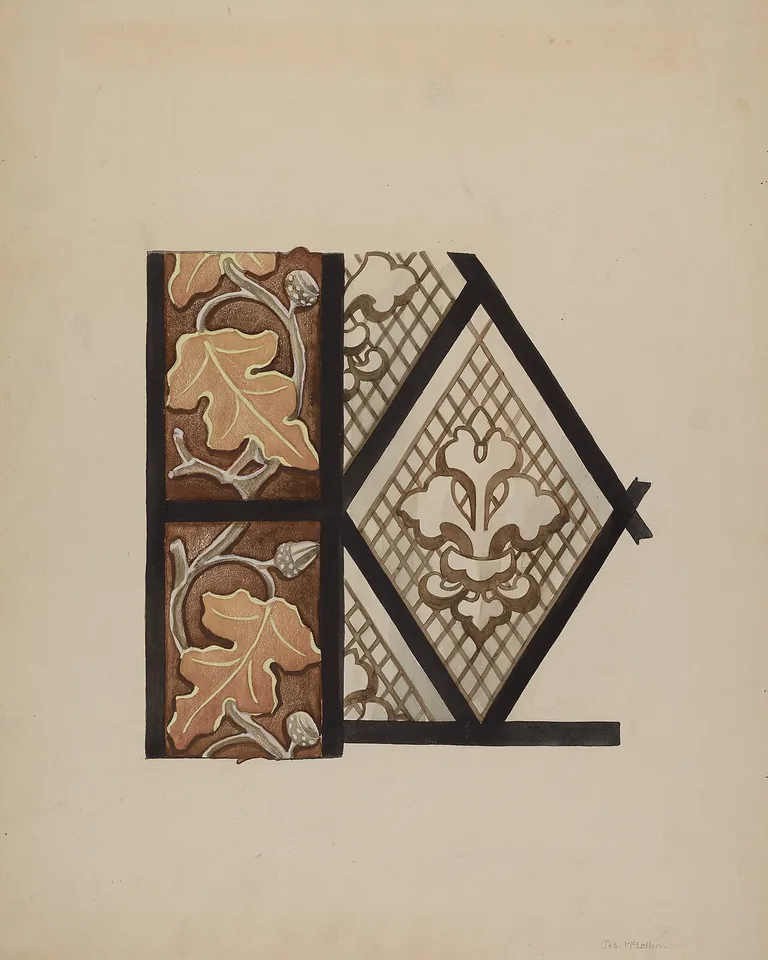

Which Paint to Use on Window Glass
The paint you choose decides whether the project is a weekend joy or a removal nightmare. Here is how the main options compare:
- Tempera paint (washable): the easiest choice for temporary designs, especially with kids. It washes off with warm soapy water. Skip adding detergent directly to tempera — it can etch glass; use plain liquid soap instead.
- Acrylic craft paint: richer color and better coverage than tempera, but it bonds more strongly. Add a pump of clear dish soap to each color to make removal easier, and do a spot test first.
- Paint pens and chalk markers: the most controlled option for line art and lettering. Ideal for beginners and fine detail work.
- Specialty glass paint: formulated for glass with better adhesion and translucency; choose this when you want the design to last.
Regardless of paint type, clean the glass first, protect the sill with a drop cloth, and test an inconspicuous corner before painting the whole pane. Painter’s tape gives you crisp boundaries, and stencils — either printed or cut — let anyone produce a professional-looking result.
1. Stained-Glass-Inspired Arches

Paint bold rounded arches across the lower panes in jewel tones — cobalt, amber, emerald — leaving thin unpainted gaps between them to mimic leading. Sunlight passing through the translucent color throws a stained-glass glow across the room without the cost or commitment of real leaded glass. Overlapping the arches slightly creates depth, and keeping the top of the window clear preserves your view and daylight.
Tip: paint your outlines first and fill colors in without overlapping the lines, so the design reads the same from both sides of the glass.
2. Trailing Vine Border That Keeps the View

Instead of covering the whole pane, trail painted vines along the sides and top corners, letting the center stay open. Thin green stems with leaves in varying sizes feel organic and soft, especially against warm wood or neutral walls. This is the best approach when the window has a view worth keeping — the foliage frames it like a living border rather than competing with it. A few tiny blossoms add color without tipping the design into busy territory. If you love real greenery too, pair this with the botanical accents in our greenery bedroom ideas for a house full of leafy texture.
Tip: keep the composition slightly asymmetrical — a longer branch on one side, a lighter scattering on the other — so it reads as natural rather than mirrored.
3. White Line-Art Doodles
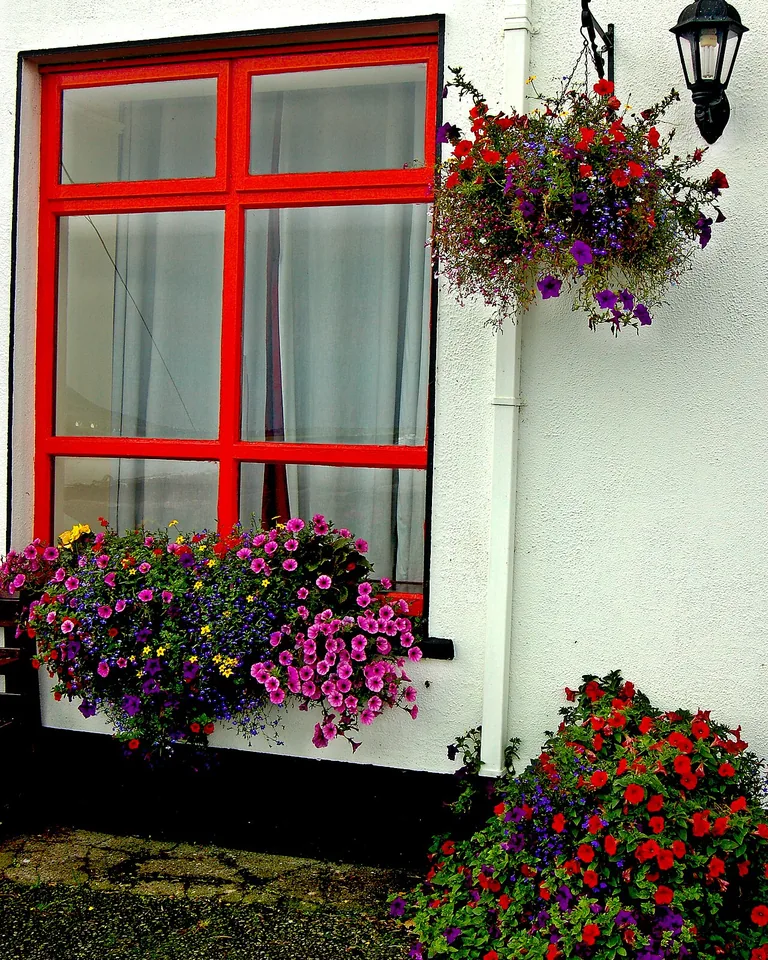
One white paint pen, one big window, endless doodles. Swirling cups, stars, planets, botanical scribbles — crisp white line art delivers maximum contrast with minimal effort, and it looks especially striking on glass that faces a busy street or dark exterior. The dense monochrome pattern also softens the view into the room, giving you a layer of casual privacy while daylight still pours through. Because there is no filling or shading involved, this is one of the fastest designs to complete.
Tip: outline the whole design in white first; from the outside, the white outlines make every color you add afterward pop.
4. Frosted Fern Motifs for Privacy

For a bathroom or ground-floor window, paint translucent fern fronds in a frosted finish so the glass filters light while softening what can be seen through it. Fine fronds in muted greens, spaced with visible glass between them, read as a quiet botanical pattern rather than a solid wall — important in a small room where daylight matters. Use frosted-effect glass paint or a translucent medium rather than solid paint, so the design glows when light hits it. For more bathroom styling once the glass is done, our modern farmhouse bathroom decor ideas pair beautifully with this softened-glass look.
Tip: be honest with yourself about privacy — decorative paint is not true privacy glass. Test the finished window at night with the lights on before relying on it.
5. Wildflower Meadow Along the Bottom of the Glass
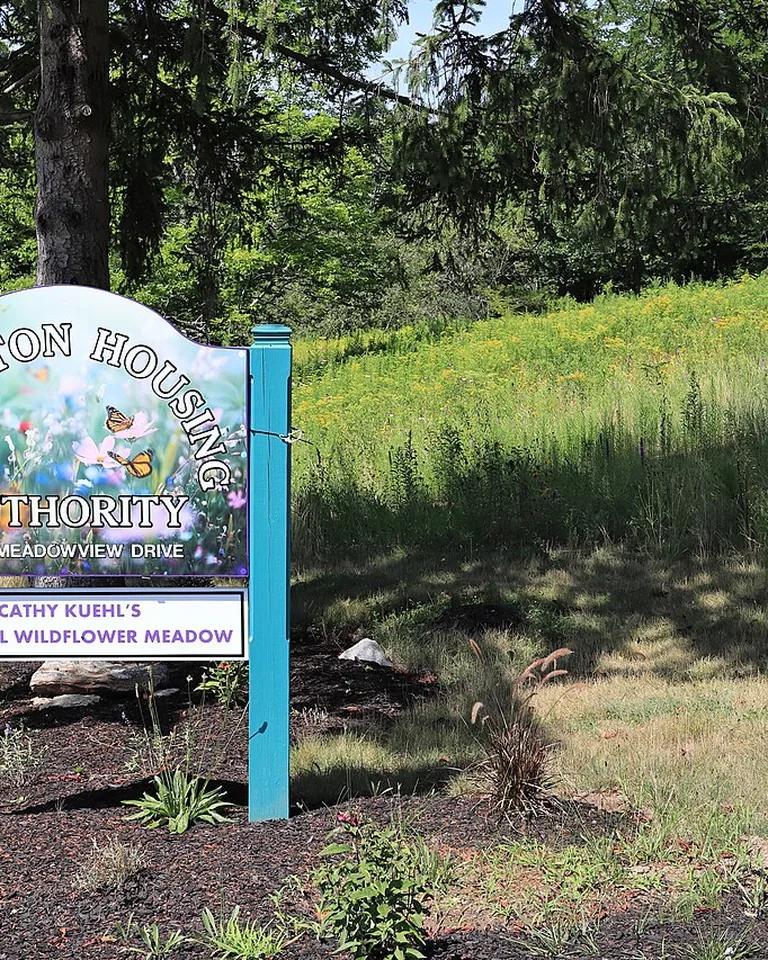
A loose band of painted wildflowers — poppies, daisies, cornflowers, tall grasses — rising to different heights along the lower third of a kitchen or breakfast-nook window brings the garden indoors. Cluster the flowers unevenly, with one taller group near a corner and grasses bridging the gaps, so it looks like a real meadow edge rather than a row of identical blooms. Bright reds and yellows give a cheerful cottage feel; dusty pink, pale blue, and muted green keep it calm.
Tip: paint the stems first in sweeping vertical strokes, then add the flower heads — working background-to-foreground keeps the design layered and natural.
6. Giant Rainbow Arches for Kids’ Rooms

Window glass makes children’s art look spectacular, because sunlight turns even simple shapes into something dramatic. Let kids paint oversized rainbow arches, giant suns, or huge flowers across the glass with washable tempera mixed with a squirt of liquid soap. Repeating one big shape — five rainbows across the whole window instead of one small one — creates a mural effect that fills the room with color. It washes off in minutes with warm water when the next theme takes over.
Tip: layer a second coat once the first starts to set for bolder, more saturated color.

7. Winter Snowflake Scene
Six-pointed snowflakes are the perfect beginner winter design: straight lines crossing at a center point, with small dots and dashes along each arm. Vary the sizes across the pane — large statement flakes mixed with tiny scattered ones — and add clusters of dots like falling snow. White paint on glass reads beautifully in winter light, and the whole scene takes under an hour. When the season ends, a soak and a plastic scraper bring the window back to clear.
Tip: for a frosted look without paint, sponge a mixture of Epsom salt, warm water, and a few drops of dish soap onto the glass.
8. Autumn Leaf Garland Across the Panes
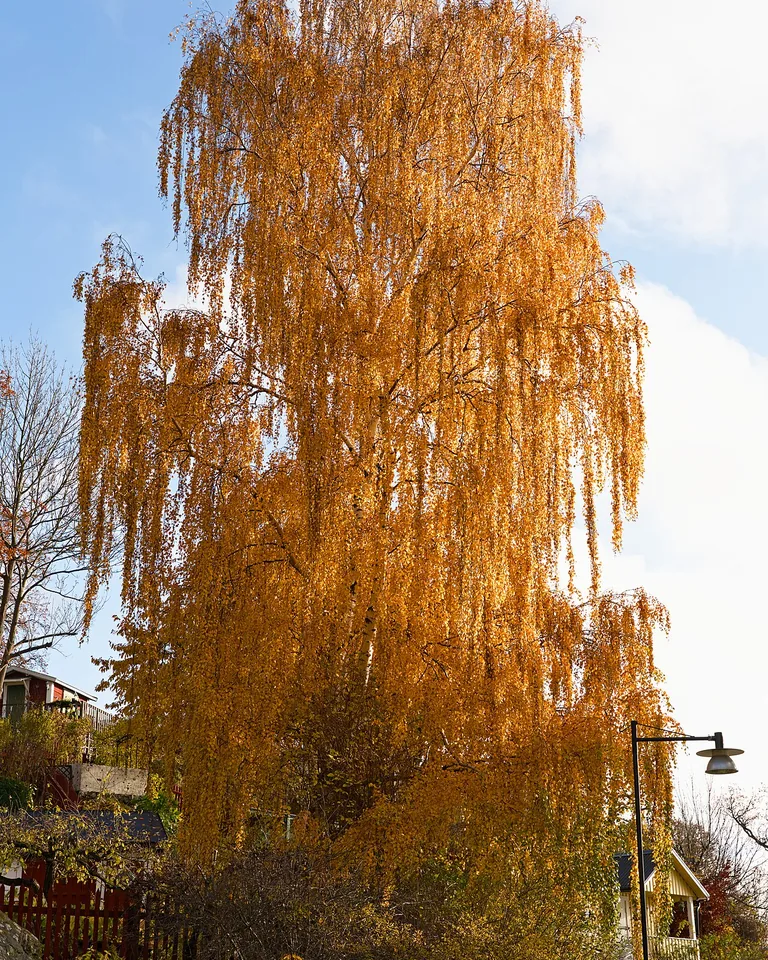
Paint slender branches in warm rust, golden ochre, and muted red stretching diagonally across the window, with leaves clustered unevenly along them. Let a few branches cross the pane divisions naturally instead of stopping at every frame — the continuous lines make the design feel like one tree rather than scattered stickers. This pairs naturally with fall styling indoors; our Thanksgiving setup ideas for a small space extend the seasonal warmth from the window to the table.
Tip: leave clear glass between the branches so daylight keeps flowing and the leaves read as silhouettes against the sky.
9. Geometric Color Blocks

For a modern room, paint bold geometric shapes — circles, arches, diagonal bands — in a tight palette like terracotta, sage, and warm ochre across the lower portion of the glass. Varying the opacity of each shape gives the illusion of expensive textured glass, and the layered colors filter sunlight into warm, cozy tones. Painter’s tape is your best friend here: it produces the crisp edges this style depends on, and low-adhesion tape avoids sticky residue.
Tip: plan the full layout on paper first. Geometric designs live or die by their proportions, and glass is unforgiving of rework.
10. Butterfly Flight Path
Paint butterflies of different sizes along a loose diagonal path sweeping across the glass, as if a flock just passed through. Mix solid silhouettes with a few detailed wings in complementary colors, and add tiny dot trails behind the leaders for a sense of motion. The diagonal composition draws the eye upward and across, making even a narrow window feel wider and more dynamic. This works especially well on tall, slim panes where a centered design would feel cramped.
Tip: step back and check the composition from the room’s main seating spot — windows are viewed from a distance, so bold reads better than fussy.
11. Hand-Painted Cafe-Style Lettering
A hand-lettered quote, a seasonal greeting, or a simple “welcome” painted on a kitchen or entryway window gives the room a boutique feel for almost no cost. Use paint pens for the lettering and add small botanical flourishes — coffee sprigs, leaves, berries — around the words. Lettering with brushes demands practice, but paint pens keep every stroke controlled, and tracing the design on the reverse side of the glass first guarantees clean results.
Tip: for windows viewed from outside — like a storefront or entry — paint the design in reverse on the inside so it reads correctly from the street.
How to Remove Paint From Window Glass
When the design has served its season, removal is simple: spray the paint generously with window cleaner or hot soapy water, let it soak for a few minutes, then scrape gently with a razor blade held at a 45-degree angle while the surface stays wet. Wipe clean and polish with glass cleaner. For washable tempera, warm water and a sponge are usually enough — no blade needed. Never use abrasive pads on glass, and avoid mixing detergent directly into tempera paint, which can etch the surface.
FAQs About Window Painting
What kind of paint works best on windows?
Washable tempera paint is the best choice for temporary designs and kids’ projects because it removes with soap and water. For richer color and longer wear, use acrylic craft paint with a pump of clear dish soap mixed in for easier removal. Paint pens are best for line art and lettering, while specialty glass paint suits designs you want to keep.
Will painting my windows stain the glass?
Usually not. Washable tempera and acrylic paint both come off clean glass without staining. The exception is mixing detergent directly into tempera paint, which can etch glass and leave marks. Always do a spot test in an inconspicuous corner first, especially on older or specialty glass.
Can I use any acrylic paint on windows?
Most water-based acrylic paints work on glass, but standard acrylic is designed to bond permanently, which makes removal difficult. If the design is temporary, choose washable tempera or a removable glass paint instead. If you do use regular acrylic, mix in dish soap and expect to soak and scrape it off with a razor blade when the time comes.
How long do window paintings last?
Tempera designs typically last several weeks indoors before chipping, as long as nobody touches them. Acrylic holds up much longer but is harder to remove. If you want the design to stay through a whole season, seal the finished artwork with an acrylic spray sealer — just know that sealing makes removal a bigger job.
Can you paint on the outside of a window?
Yes, and painting on the exterior surface has one advantage: the glass reflection won’t sit between your artwork and the viewer, so colors look bolder from outside. But outdoor paintings face rain, sun, and temperature swings, so use weather-resistant acrylic and expect a shorter lifespan than indoor designs.
Does painted glass still let light through?
Yes, especially with translucent or thinly applied paint — painted windows filter light rather than blocking it, which is part of their appeal. Solid, opaque coverage will dim the room noticeably, so keep designs airy or concentrated on part of the pane if daylight matters to you.
Final Thoughts
Window painting earns its popularity because it checks every box: nearly free, completely reversible, endlessly customizable, and it turns the biggest light source in the room into art. Start with a simple design on one window — a vine border, a few snowflakes, one confident rainbow — and let the glass teach you what works. Once you see morning light coming through painted color, the plain panes will never look quite right again. For more ways to finish the room around your windows, see our bay window curtain ideas — curtains and painted glass are a combination that looks far more expensive than it is.