11 Kitchen Window Ideas That Make the Whole Kitchen Feel Brighter
The kitchen window has one of the most demanding jobs in the house. It has to pour in daylight, keep neighbors from watching you wash dishes, survive grease and steam, and somehow look good doing all of it. Most kitchen windows fail at at least one of those — which is why the right kitchen window ideas start with your actual problem: is the room gloomy, exposed, or just unfinished?
Below are 11 kitchen window ideas covering both sides of the decision — the window itself (styles and architecture that bring in more light) and how you dress it (treatments that give you privacy without killing the daylight). Pick the ones that match your window’s location, your home’s style, and how much maintenance you’re willing to do.
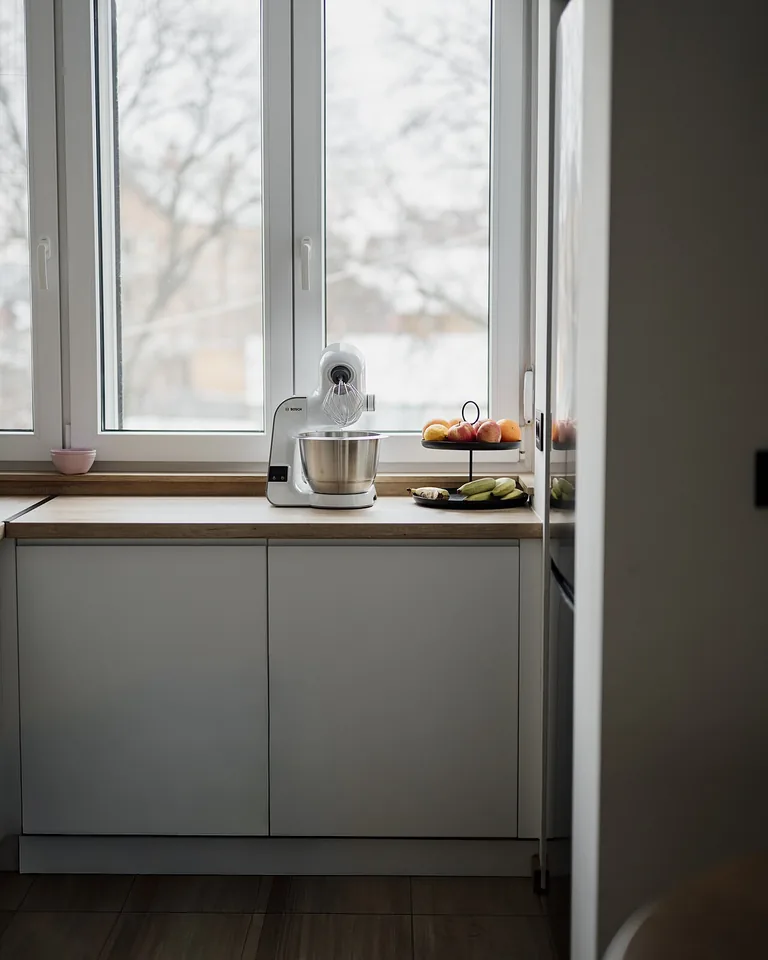
1. Café Curtains on a Tension Rod
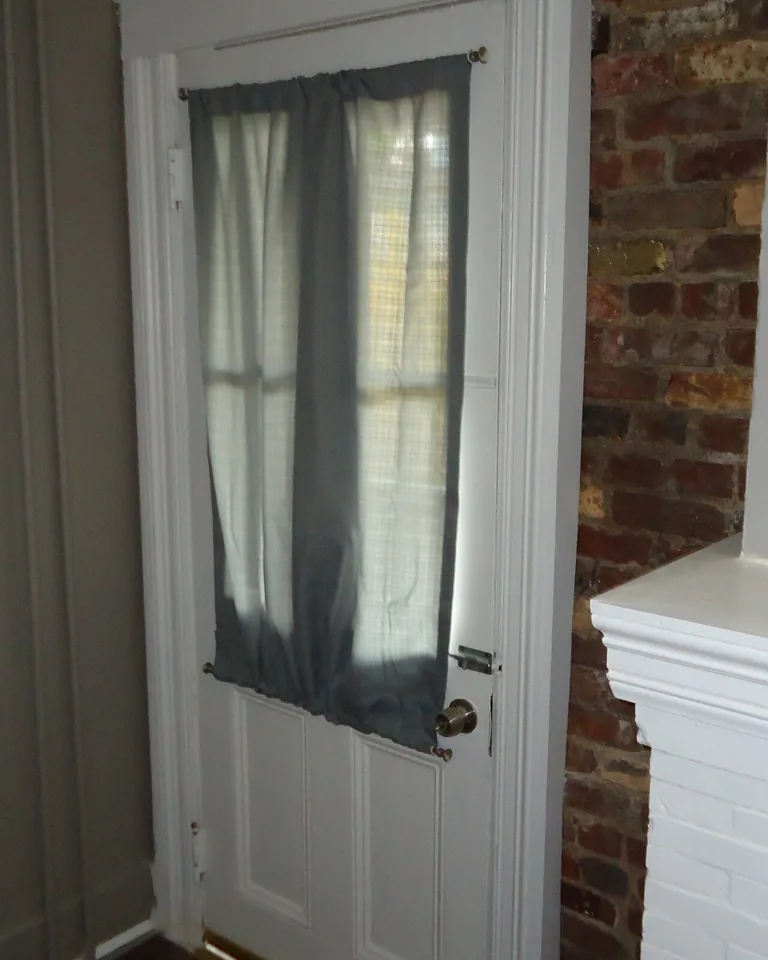
Café curtains cover only the lower half of the window, leaving the top open for daylight and a view of the sky. They’re the classic kitchen window treatment for a reason: you get privacy where it matters (the part at counter height, where you’re standing) while the brightest part of the glass stays uncovered.
Hang them on a simple tension rod and the project becomes renter-friendly and completely reversible — the rod wedges into the frame with no drilling, and you can pull the panels down for washing in seconds. Kitchens collect grease and dust, so choose a machine-washable linen blend or performance polyester rather than anything delicate. Skip heavy drapery panels in a small kitchen; full-length fabric shrinks the room visually and soaks up cooking smells.
2. Decorative Window Film for Daytime Privacy

If your kitchen window faces a neighbor’s house eight feet away, frosted or patterned window film is the cheapest privacy fix that doesn’t block light. Applied directly to the glass, it scatters daylight softly while hiding the interior — and it’s ideal for windows directly behind the sink, where curtains get splattered and hardware would fight the faucet.
Two honest caveats. First, frosted film noticeably cuts brightness, so if you want to keep the room bright, apply it to the lower half of the glass only and leave the upper panes clear for sky light. Second, one-way mirror film only gives privacy in daylight; at night, with interior lights on, the effect reverses and you become visible from outside — so evening privacy still needs a shade or curtain. Static-cling versions are removable, which renters should prefer over adhesive films that can leave residue.
3. Glass Shelves Across the Window

Mounting slim floating glass or acrylic shelves directly across a large kitchen window turns dead glass into display and storage space without stealing light. Potted ferns and trailing vines soften the window’s geometry and filter harsh midday sun into a gentler glow across the counter, while glass shelves keep daylight flowing through instead of creating a shadow box.
The shelves have to be anchored into the framing studs, not just the drywall — watered plants are heavy. Choose plants that genuinely thrive in bright, humid kitchens (pothos, herbs, spider plants) and keep the arrangement light: a few thriving plants beat a crowded shelf of droopy ones. Leave enough of the upper glass clear that you still get an unobstructed view out, and keep the sill below uncluttered for easy sink access.
4. A Working Herb Ledge on the Sill

The kitchen window sill is the one spot in the house where a mini herb garden earns its keep: sun, water nearby, and the harvest is two steps from the cutting board. A narrow planter ledge with compact self-watering pots keeps basil, chives, and mint alive with far less fuss than traditional pots, and a row of fresh herbs adds living texture that no fake plant can imitate.
Herbs also pull double duty as natural fragrance — a windowsill of basil and mint genuinely freshens the air around the stove area, in the same spirit as these natural ways to make your home smell good without plug-in fresheners. The tradeoff is occasional water spillover on the sill and extra care in winter when growth slows, but the scent and the garnish are worth it. If the sill is shallow, skip bulky planters that block the lower glass and go slim.
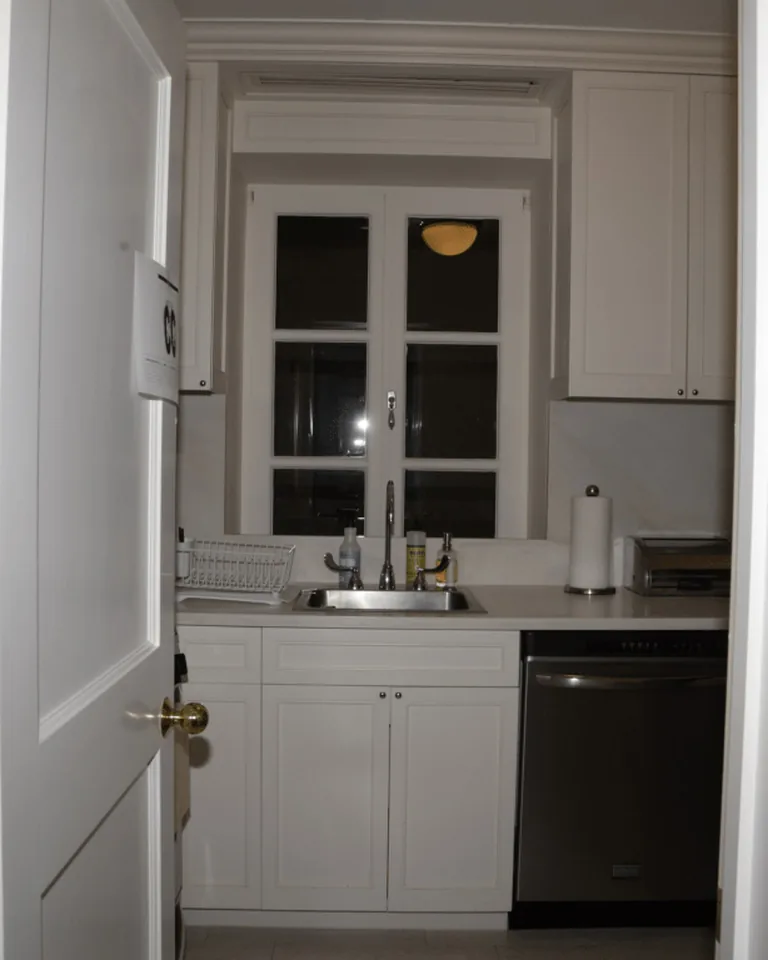
5. Roman Shades in a Kitchen-Friendly Fabric
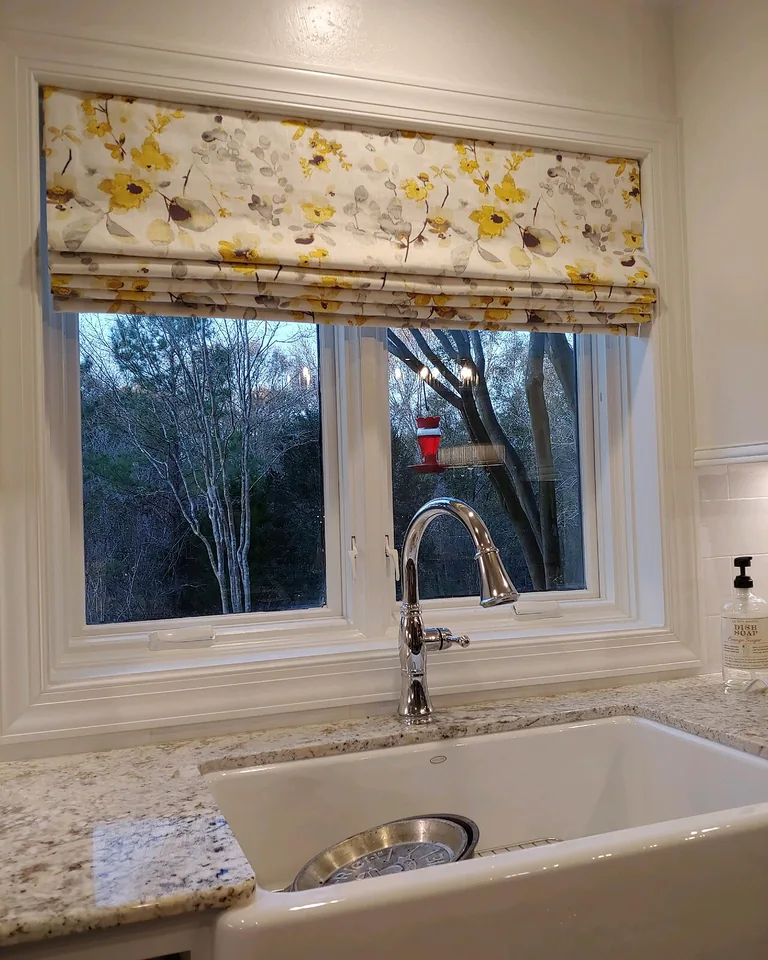
Roman shades are the best-looking answer for a kitchen window that needs both style and adjustability. They fold up nearly flat, so they don’t shrink small windows visually, and when lowered they bring color and pattern into a room that’s mostly hard surfaces. Mounted inside the frame, they leave the sill free for herbs or small appliances.
Fabric choice is where kitchen Romans succeed or fail: standard cotton traps grease, so pick a performance textile rated for stain and moisture resistance, or keep Roman shades on windows that sit back from splash zones and use wipeable treatments over the sink itself. Cordless operation is worth the small upcharge — no dangling cords near the stove or sink, and a cleaner look.
6. Wipe-Clean Roller Shades Over the Sink
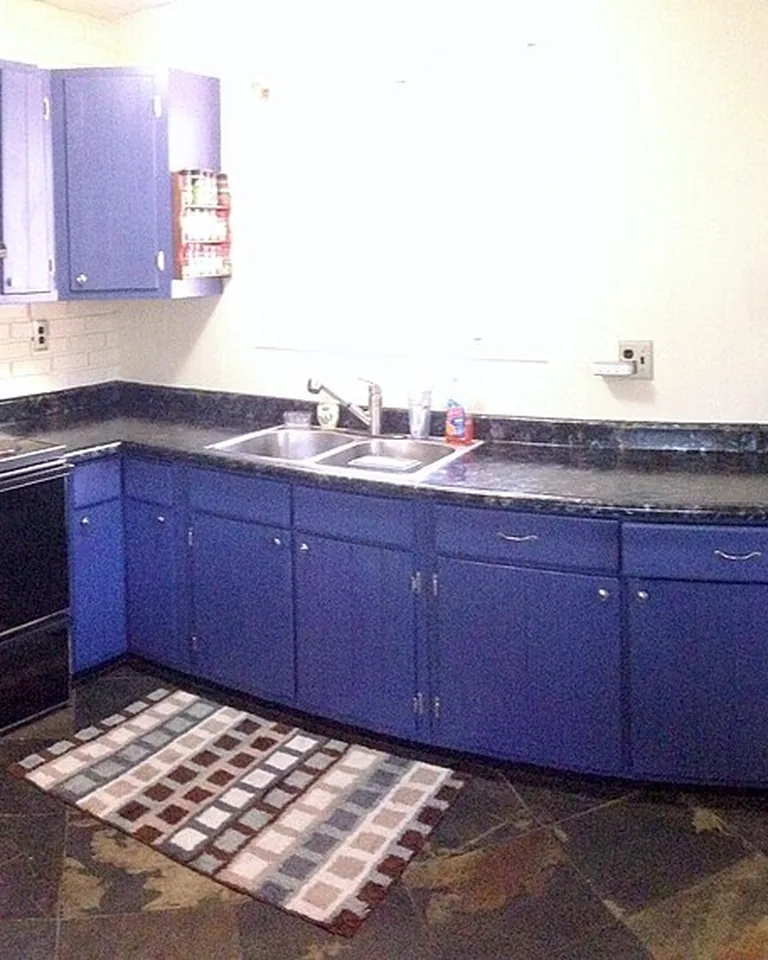
The window above the sink is the harshest spot for any window treatment — constant splashes, steam, and soap. This is where roller shades earn their place: vinyl or aluminum blinds with a matte, wipe-clean surface handle moisture without warping, and they roll up into a slim cassette that disappears into the frame when you want full light.
For a small kitchen, light-filtering weaves with a few percent openness preserve daytime privacy while keeping the counter readable, and cordless or continuous-loop mechanisms stay tidy. Keep the mounting hardware high enough that the lowered hem clears the faucet splash zone, and choose a color close to the wall or trim so the shade reads as part of the architecture rather than an afterthought.
7. A Big Picture Window Over the Sink
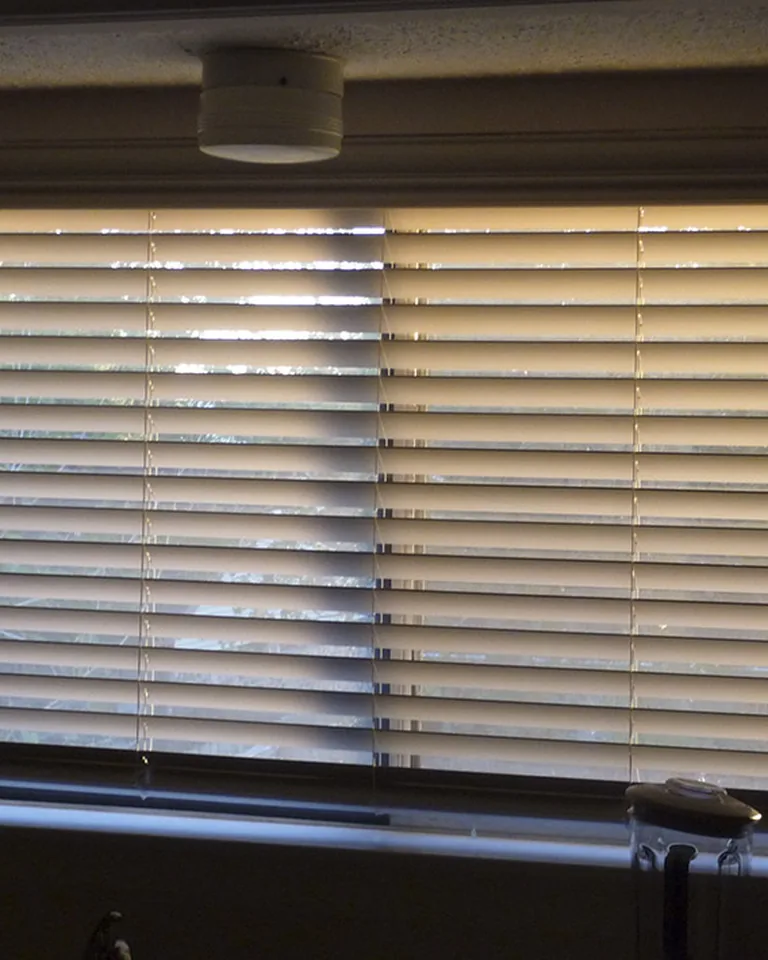
If your kitchen backs onto a garden, a courtyard, or anything prettier than a brick wall, the single most dramatic upgrade is swapping a small standard window for an oversized picture window over the sink. One large fixed pane makes the outdoors feel like part of the room instead of a postage stamp you glimpse while washing dishes, and it floods the workspace with the kind of bright, even daylight that makes dark cabinets feel intentional instead of gloomy.
Restraint does the decorating here: keep the frame dark and simple, keep the surrounding finishes quiet, and let the view be the artwork. One practical note — fixed picture windows don’t open, so plan ventilation separately (a range hood or an operable window elsewhere). Gorgeous glazing is lovely; a kitchen that smells like last night’s fish forever is not.
8. Corner Windows for Wraparound Light
Two windows meeting at a corner do something a single window can’t: they pull daylight into the kitchen from two directions, which flattens shadows and makes the whole room feel larger. A corner window setup works beautifully in a modern or contemporary kitchen, especially over an L-shaped counter where the wraparound glass follows the work zone.
This is a renovation-level change, not a weekend project — corner glazing needs proper structural support and careful flashing. But if you’re already remodeling, the light payoff is outsized. Keep the frame material consistent (one finish, not three) and resist filling both sills with décor; the point is the light, and cluttered double sills read busy fast.
9. High Clerestory Windows Above the Cabinets

Sometimes the kitchen wall needs storage more than it needs another eye-level window. Clerestory windows — a band of glass set high above the counters — solve that standoff: daylight pours in from above while the lower wall stays free for cabinetry, open shelving, or a full-height backsplash. They also dodge the privacy problem entirely, since nobody can see in through glass that starts at seven feet.
Placement matters more here than with a standard window. High windows should respond to the room’s orientation — south-facing clerestories bring strong midday sun that can overheat a kitchen, so glare control (a low-e coating or an exterior overhang) deserves a line in the plan. Coordinate the window line with the room’s architecture and keep finishes below calm; the daylight itself is the feature.
10. A Skylight Over the Kitchen

When wall space is fully spoken for by cabinets and there’s simply no room for another window, the ceiling is the last unclaimed surface. A skylight over a kitchen island or prep zone delivers top-down daylight that flatters food, faces, and finishes alike — and on a small footprint it can do more for brightness than any wall window.
Vented skylights double as exhaust for cooking heat and humidity, which is a genuine functional bonus over a fixed unit. The downsides to weigh honestly: installation means cutting into the roof (flashing done badly leaks for years), and if your kitchen ceiling has seen better days, fix that first — here’s how to cover an ugly ceiling without making the room feel heavy before you start cutting skylight openings. Properly done, though, a skylight makes a windowless-feeling kitchen feel like it has a window twice its size.
11. A Window Seat Under the Window
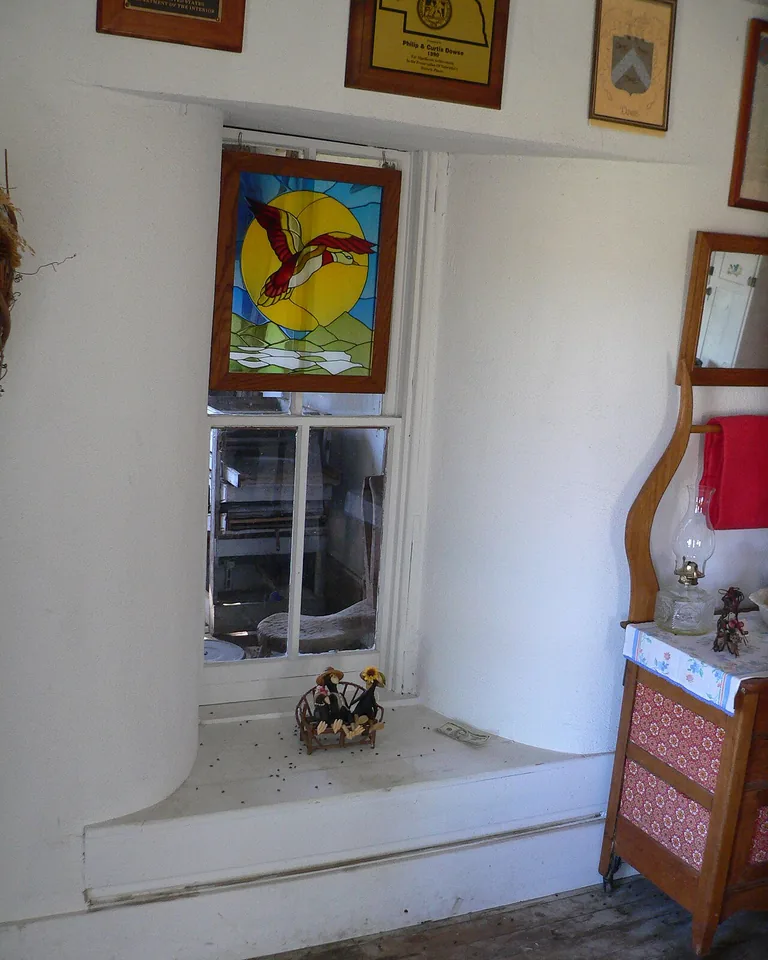
A deep window deserves more than a windowsill — turning the space below into a built-in bench with storage makes the window a destination instead of a backdrop. A cushioned seat with hidden drawers underneath gives you casual dining space, a spot for bulky linens, and a natural breakfast nook bathed in morning light. It works especially well under a wide kitchen window or a bay window that already projects outward.
Plan the practical side first: waterproof the seat base against spills, choose cushion fabrics that tolerate kitchen humidity and wipe down easily, and keep the window’s lower sash operable so the seat doesn’t block ventilation. If you do have a bay window, pair the nook with the right treatment — these bay window curtain ideas show how to dress the glass without blocking the light that makes the seat worth sitting in.

Frequently Asked Questions
What are the best window treatments for a small kitchen with limited counter space?
Treatments that sit flush with the window: inside-mount roller shades, cellular shades, or mini blinds won’t interfere with counters or crowd the frame. A café curtain covering just the lower half is the other strong option — it leaves the top open for light and never blocks your view or workspace. Avoid heavy drapes and multiple bulky layers in a small kitchen; they shrink the room visually.
How do I choose a window treatment for a kitchen window above the sink?
Prioritize materials that survive splashes and wipe clean: vinyl roller shades, faux wood blinds, or aluminum blinds are the most practical choices. If you want fabric, use a performance textile rated for moisture and mount it high enough that the hem clears the faucet. Go cordless to keep cords away from the sink and stove.
Can I use sheer curtains in a kitchen for privacy and light?
Yes, with two caveats. Sheers give daytime privacy and keep the kitchen feeling airy, but they offer almost no privacy at night when interior lights are on — pair them with a roller shade or blind for evenings. They also collect grease and dust, so pick a machine-washable fabric and plan on washing them regularly.
What is the most practical window treatment for a kitchen window above the sink?
A wipe-clean roller shade or faux wood blind. Both handle moisture and splatter without warping, roll up out of the way for full daylight, and come in cordless versions. For privacy without any fabric at all, frosted film on the lower half of the glass is the lowest-maintenance option of all.
How can I add storage around my kitchen window without blocking light?
Use glass or acrylic floating shelves mounted across the window — they hold plants or daily items while daylight passes through. Keep the arrangement light and anchored into studs, leave the upper panes clear, and avoid deep open shelving that turns the window into a shadow box.
The Bottom Line
Good kitchen window design comes down to three honest questions: does the room get enough light, can you see in (or out) in ways you don’t like, and can the treatment survive the kitchen itself? Solve those first — bigger glass or higher glass for gloom, film or café curtains for privacy, wipe-clean materials over the sink — and the decorating decisions get easy. The window is the hardest-working surface in the kitchen; treat it like one and the whole room feels brighter, more private, and more finished.