12 Married Couple Bedroom Ideas That Feel Personal and Balanced

The best married couple bedroom ideas don’t start with furniture. They start with a simple truth: this room belongs to two people with two bodies, two routines, and two sets of tastes. A bedroom that feels personal and balanced for a couple comes from designing for comfort first — how you sleep, how you move, how you unwind — and then layering in the style you both love.
Below are 12 practical ideas that help married couples build a shared bedroom where neither partner feels like a guest. Use the ones that fit your room, your budget, and the way you actually live.

1. Write a One-Sentence Design Brief Together First
Before you buy a single pillow, sit down together and agree on one sentence that describes how the room should feel. It could be “calm and warm, with dark wood and soft linen” or “bright, simple, and easy to keep tidy.” This short sentence becomes your tiebreaker for every later decision, from paint color to curtains.
The brief works because it settles taste arguments before they start. When one partner loves bold color and the other craves calm, the sentence reminds you both what you agreed to build. Difficulty: easy. Cost: free. Pro tip: write it on a card and tape it inside the closet door, then check each purchase against it.
2. Keep Both Sides of the Bed Balanced, Not Identical
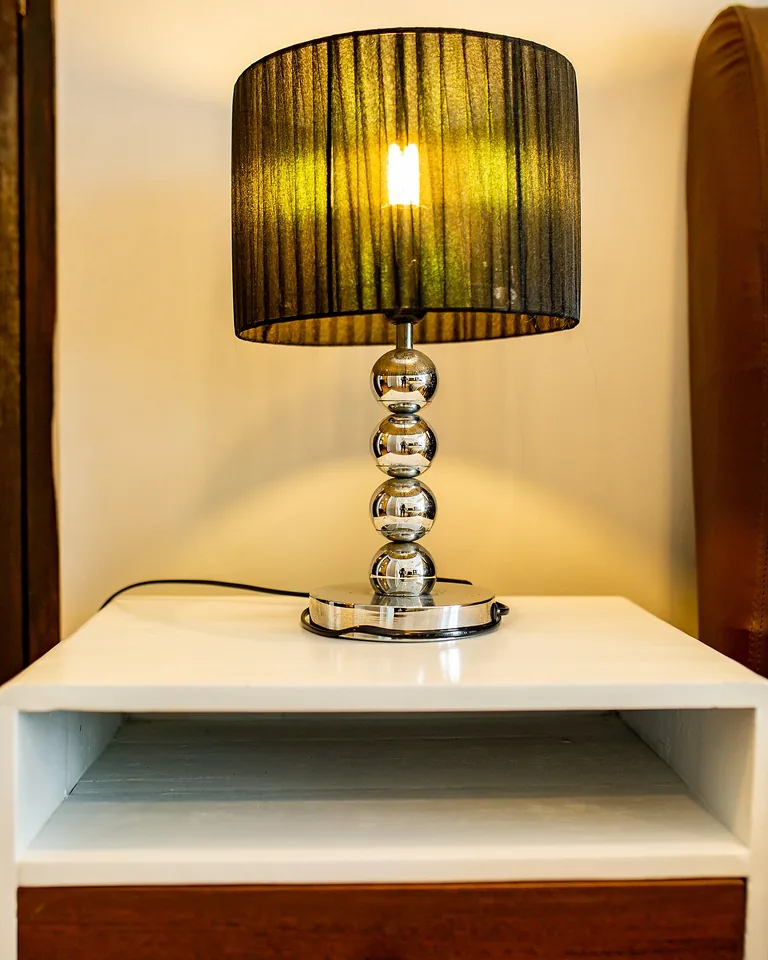
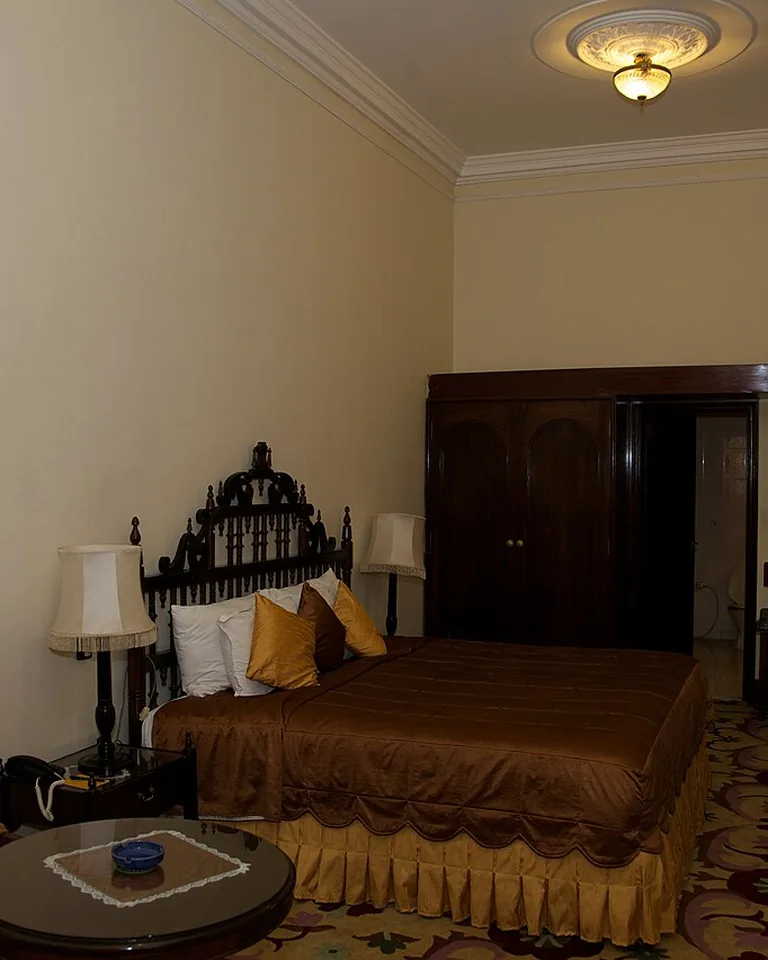
Matching nightstands give a bedroom instant calm and symmetry, but balance matters more than sameness. Two different tables, lamps, or lampshades can look just as settled as long as their heights and finishes relate to each other. The real rule is that neither side should feel like an afterthought.
Give each partner the same amount of surface space and one personal touch — a book, a photo, a plant. Greenery bedroom ideas make even small nightstands feel alive. When both sides hold equal weight, the room reads as shared instead of one person’s vision with the other person squeezed in. Difficulty: easy. Cost: $0–$150 if you need a second lamp or a fresh drawer tray. Pro tip: keep nightstand tops to three items — a lamp, what you’re reading, and one drink — and tuck the rest into drawers.
3. Layer Warm, Adjustable Lighting Instead of One Bright Ceiling Light
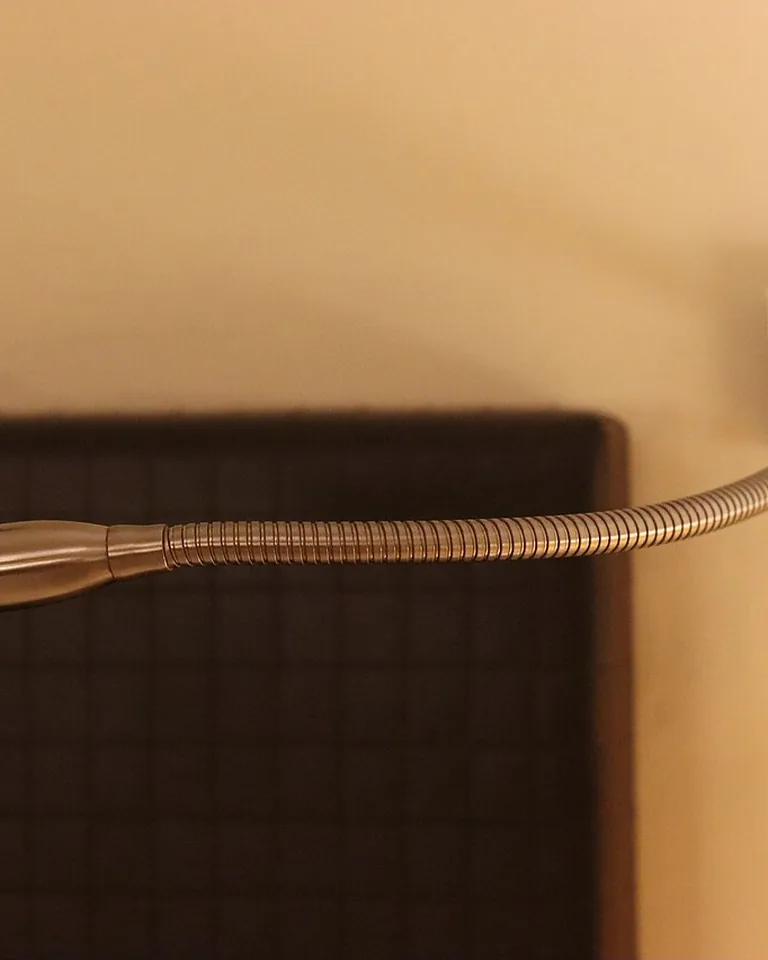
A single harsh overhead light flattens a bedroom and kills any evening mood. Couples do better with lighting in layers: bedside lamps or wall sconces for reading, a soft overhead on a dimmer for getting dressed, and something low — a candle or a small plug-in glow — for winding down.
Warm bulbs in the 2700K range and a dimmer switch turn the same room from bright and functional to soft and romantic in seconds. A plug-in dimmer costs under $25 and takes a minute to set up. Difficulty: easy. Cost: under $30 for bulbs and a dimmer. Pro tip: put each side’s light on its own control so one partner can read while the other sleeps.
4. End the Blanket War With the Two-Duvet Trick
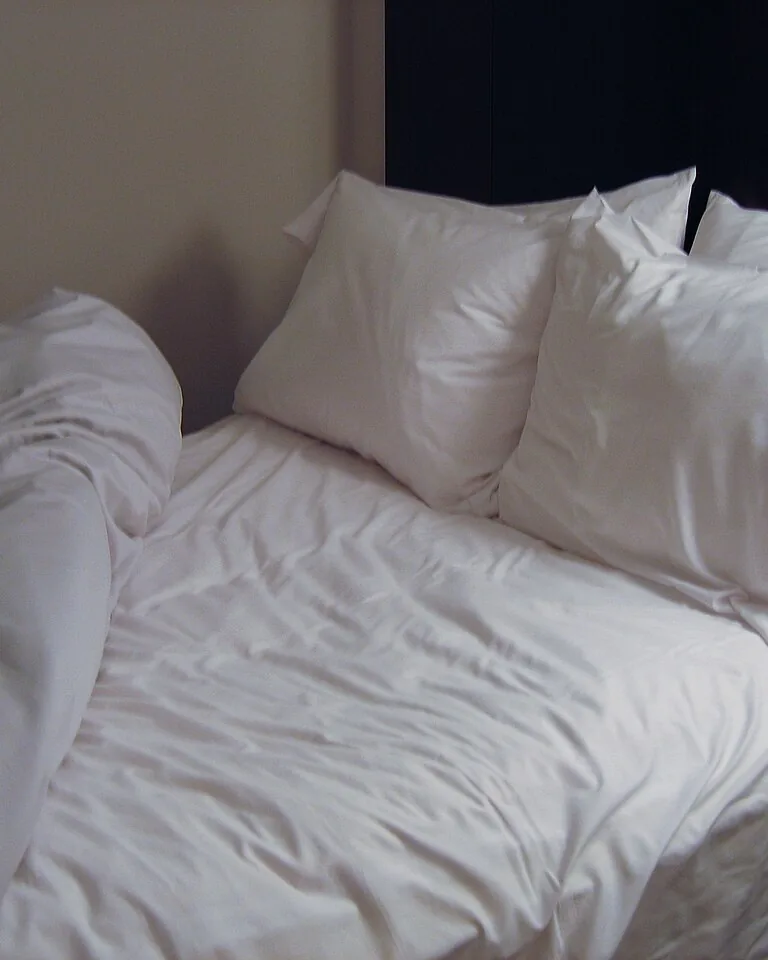
If one of you runs hot and the other runs cold, one shared comforter is a nightly negotiation nobody wins. Two lighter duvets — or two top sheets with different weights — let each person sleep at their own temperature while the bed still looks pulled together with a single coverlet or throw across the foot.
Scandinavian couples have done this for years, and it’s one of the simplest comfort upgrades a shared bedroom can make. Difficulty: easy. Cost: $60–$200 for a second duvet insert and cover. Pro tip: choose covers in the same color family so the split is invisible by day.
5. Carve Out a Pocket of Personal Space for Each Partner
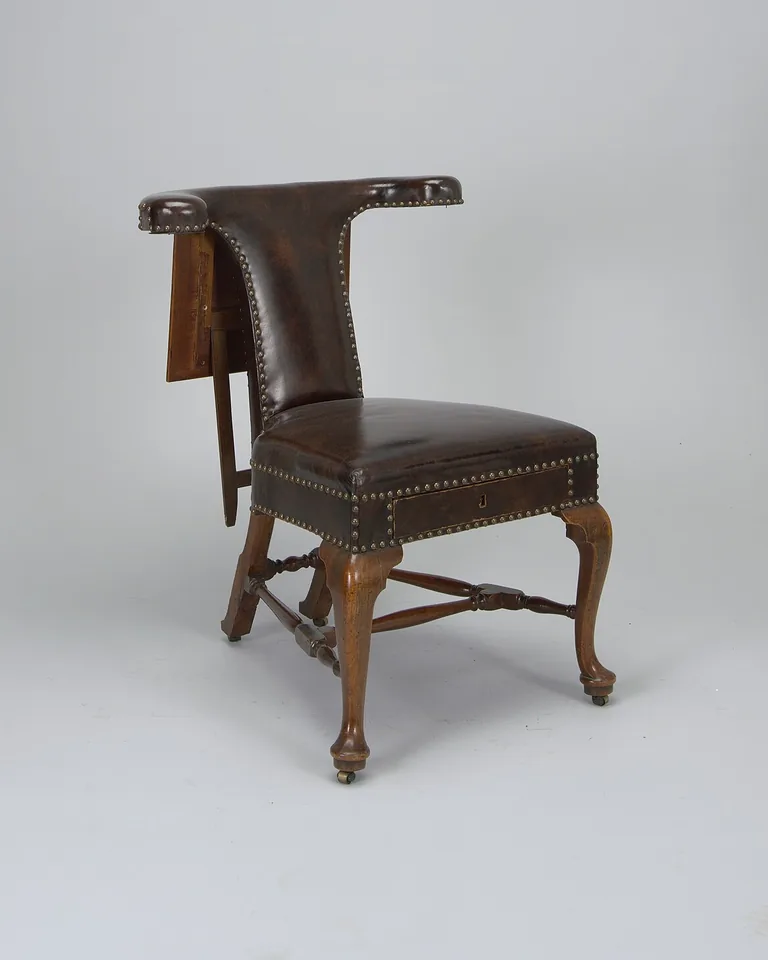
A couple’s bedroom should have room for togetherness and a corner for one. If there’s space, add a small reading chair by the window, a vanity stool, or a simple bench where one partner can read or scroll while the other gets ready. In a small room, a shared armchair at the foot of the bed can serve the same purpose.
These little zones prevent the feeling that the bedroom is only ever a sleep-or-get-dressed machine. Difficulty: moderate. Cost: $100–$400 for a chair or bench. Pro tip: define the zone with a small rug or a different lamp so it reads as its own spot, not leftover furniture.
6. Block the Light, Then Invite It Back In
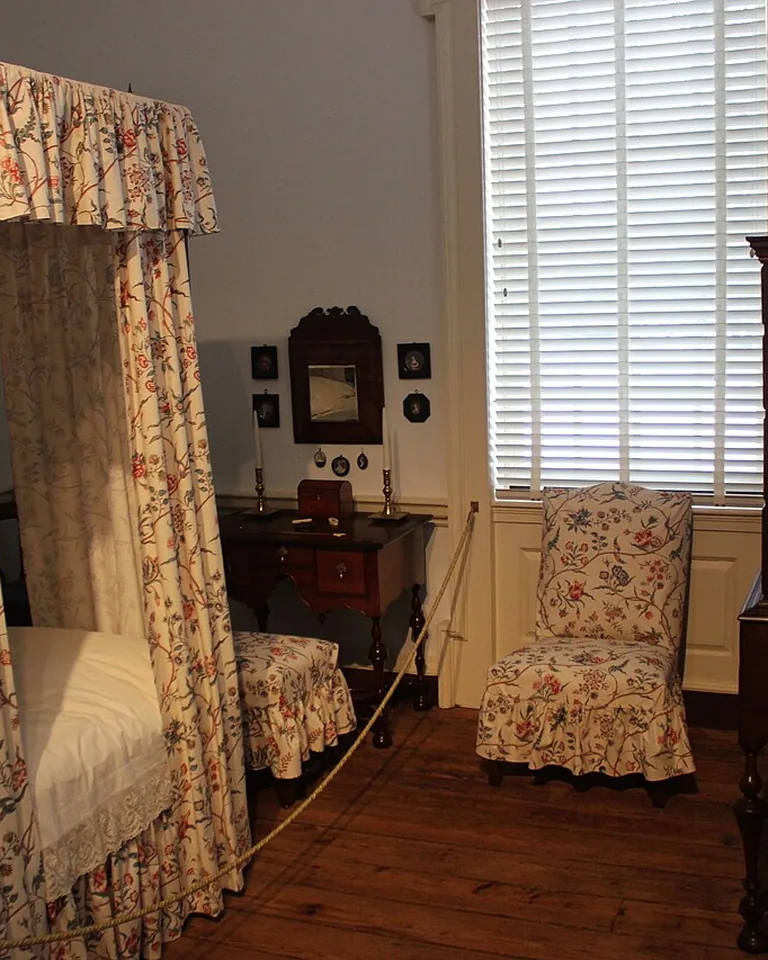
Good sleep needs darkness and good mornings need daylight, so treat the window as two jobs. Blackout curtains hung high and wide handle the night shift — hang the rod 4 to 6 inches above the frame and let the panels extend past each side so thin light leaks don’t sneak in. Sheer panels underneath give you soft, filtered light during the day without sacrificing privacy.
This pairing is especially kind to couples on different schedules, since one partner can sleep in while the other opens the sheers. Difficulty: easy. Cost: $80–$150 for curtains and a sturdy rod. Pro tip: measure the window before you shop; curtains that are too narrow never block light properly.
7. Give Clutter Nowhere to Live
Nothing strains a shared bedroom faster than clutter with no home. Under-bed storage bins handle off-season clothes and extra bedding, a storage bench at the foot of the bed swallows shoes and throws, and splitting the closet by hanging rod — with each partner’s section clearly defined — ends the quiet war over rail space.
The goal isn’t perfection; it’s that everything has a default spot, so the room resets itself in minutes. Difficulty: easy. Cost: $30–$200 for bins, baskets, or a bench. Pro tip: agree that one chair may never become the laundry chair — a lidded hamper in the closet keeps clothes out of sight.
8. Hang One Meaningful Piece Over the Bed

One large piece of art above the bed does more for a couple’s bedroom than a scattered handful of small frames. Aim for something about two-thirds the width of the headboard, hung 6 to 10 inches above it so it relates to the bed instead of floating near the ceiling. A framed photo from a trip you both loved beats anything picked from a catalog.
This one choice makes the room feel like yours instead of staged. Difficulty: easy. Cost: $20–$150 for a print and frame. Pro tip: if you can’t agree on one image, pick a calm abstract or landscape you both like and reserve the wedding photos for a smaller shelf gallery.
9. Pick a Calm Base and One Shared Accent Color
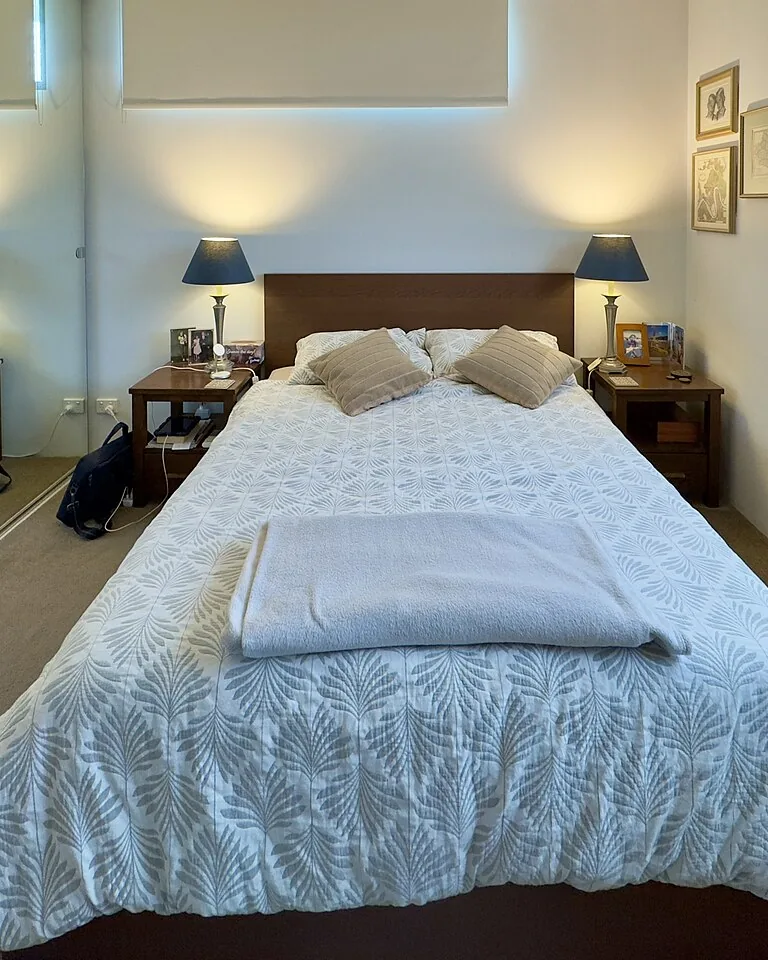
Agreeing on color gets easier when you use the 60-30-10 rule: about 60 percent of the room is a quiet base like warm white or greige, 30 percent is a mid-tone like oatmeal or tan bedding, and 10 percent is one deeper color you both picked. That small dose of bold color is where personality lives without taking over.
Three combinations that flatter most couples: warm white walls with sage-green bedding, terracotta pillows against cream bedding, or navy on one accent wall behind the bed with soft gray sheets. For the bedding layer itself, browse 11 cute bedding ideas. Difficulty: moderate. Cost: $50–$300 for paint or new bedding. Pro tip: test the accent color on pillows and throws first; it’s cheaper to swap fabric than repaint.
10. Set a Gentle Tech Boundary at the Bedroom Door
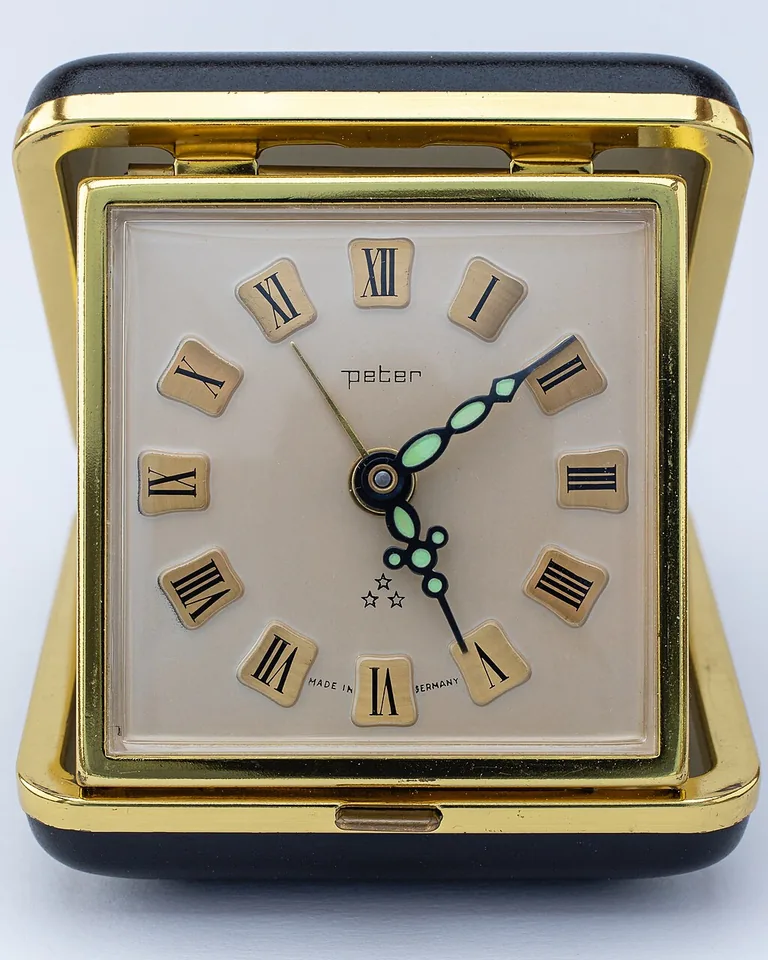
Laptops, work bags, and midnight scrolling quietly turn a bedroom into a second office. Keeping screens out — or at least out of the bed — helps the room signal rest instead of your inbox. A small charging dock on the dresser across the room and a $15 alarm clock can end the phone-as-alarm excuse.
Couples who try this usually report more actual conversation before sleep, which is half the point of a shared room. Difficulty: easy. Cost: $15–$40 for a charger and alarm clock. Pro tip: agree on the rule together and keep it kind — “no phones in bed” beats “no phones in the room” for most couples.
11. Add a Soft Landing Spot for Slow Mornings
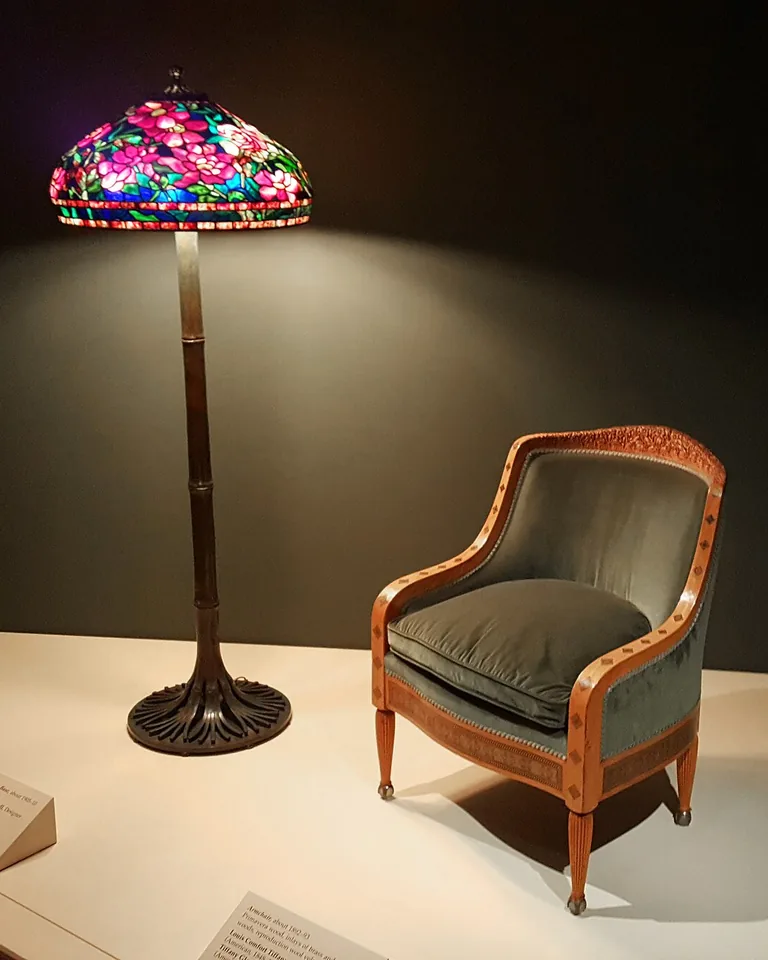
A reading nook doesn’t need much — a comfortable chair, a warm lamp, and a small side table by the window turn a corner into the room’s favorite seat. If floor space is tight, a padded bench at the foot of the bed gives you a place to sit while getting dressed and a shared perch for coffee on lazy mornings.
This kind of spot makes the bedroom useful beyond sleeping hours, which is exactly what keeps it feeling like a retreat instead of just a room. Difficulty: easy to moderate. Cost: $80–$350. Pro tip: place it near the window if you can — natural light makes a small corner feel twice as inviting.
12. Refresh the Mood With Small, Swappable Touches

You don’t need a makeover to make the bedroom feel new. A scented candle or diffuser in vanilla, cedar, or linen scent, a small vase of fresh flowers on a nightstand, and seasonal pillow covers rotate the mood for very little money. These are the touches that signal “this room is cared for” without a single furniture purchase.
Rotate them with the seasons — heavier textures and deeper colors in winter, lighter linens and fresh greens in spring — and the room never goes stale. Difficulty: easy. Cost: $10–$60. Pro tip: keep the scent subtle; one candle or diffuser is plenty in a bedroom.
Married Couple Bedroom Questions, Answered

What makes a bedroom romantic for a married couple?
Warm, dimmable lighting, soft textures, and a clutter-free room matter most. Layered 2700K bulbs, linen or cotton bedding, and clear surfaces do more for romance than rose petals on the bed — they make the room feel calm every night, not just on anniversaries.
What colors are best for a married couple’s bedroom?
Warm neutrals like warm white, greige, and oatmeal make the best base because both partners usually accept them. Add one deeper accent — sage green, terracotta, or navy — in about 10 percent of the room using the 60-30-10 rule so the bold color never overwhelms the calm.
How can couples with different styles decorate one bedroom?
Start by writing a one-sentence design brief together describing how the room should feel. Then give each partner one area they fully control — one nightstand, one shelf, one corner — while the big shared pieces like the bed and walls stay neutral. The result looks intentional instead of like two rooms collided.
How do you make a small bedroom work for two people?
Choose slim, multi-purpose furniture: floating nightstands, under-bed storage bins, and wall-mounted reading lights instead of table lamps. Keep the palette light, add a mirror opposite the window to bounce daylight around, and leave at least 24 inches of clear floor on each side of the bed.
Should a married couple have a TV in the bedroom?
It’s optional, and many sleep specialists suggest keeping screens out because light and content can delay sleep. If you keep one, set a sleep timer, charge the remote on a shelf across the room, and keep it off-limits during the half hour before bed.