12 Moody Bedding Ideas That Make a Bedroom Feel Rich, Layered, and Intentional
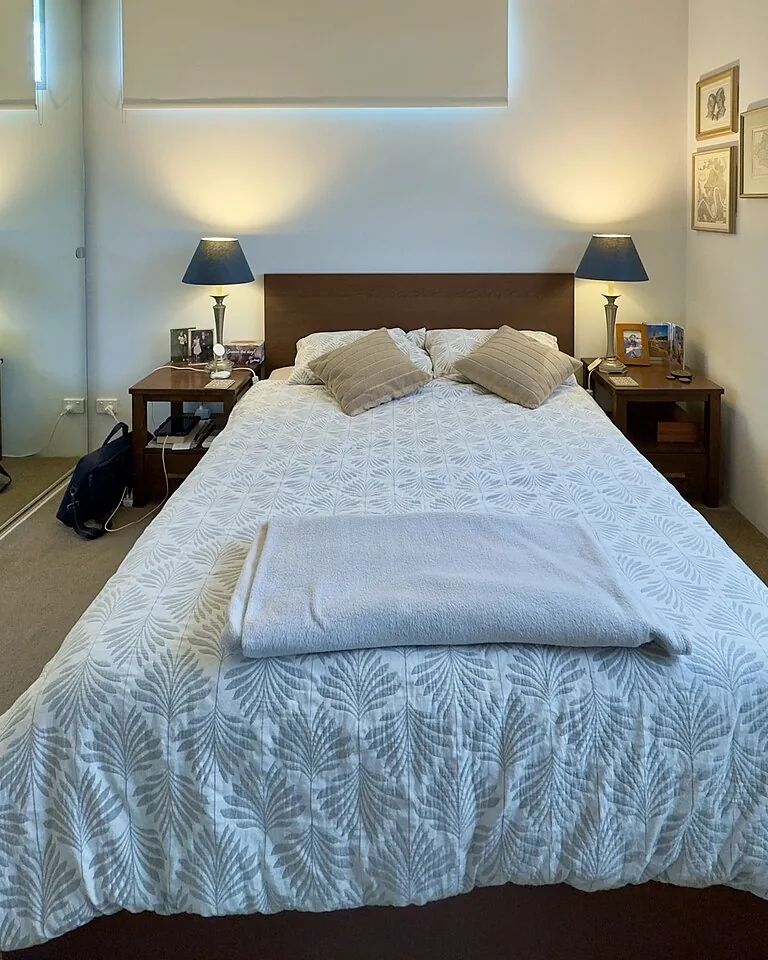
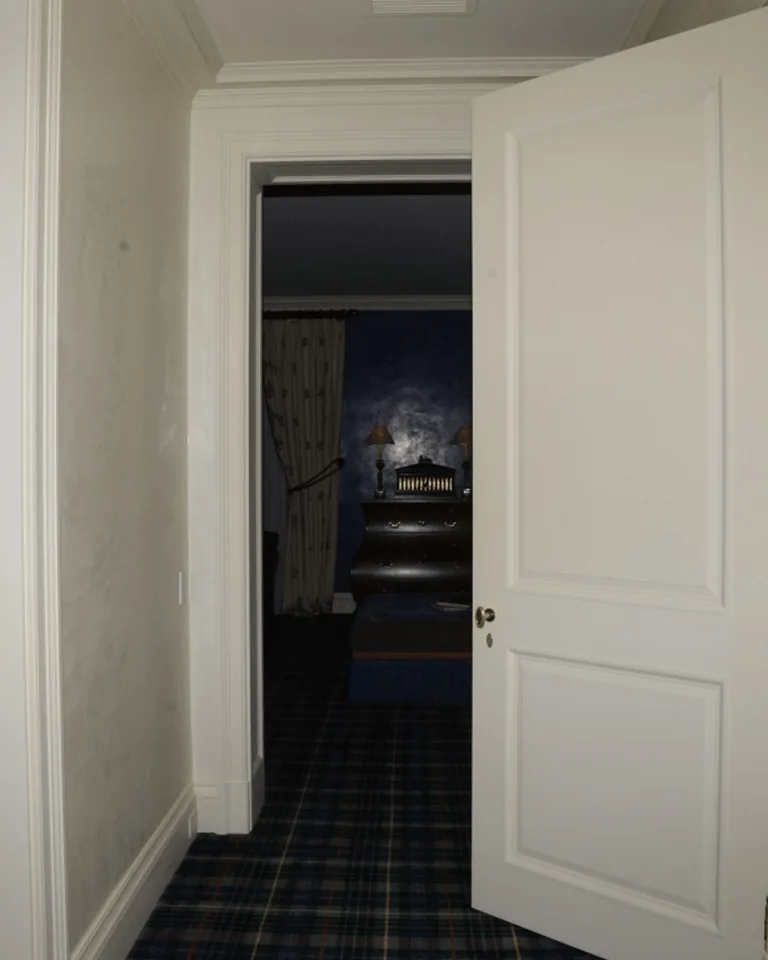
Moody bedding is not just dark sheets — it is a layered, intentional stack of textures and deep tones that makes a bedroom feel rich instead of flat. The formula designers use: a matte base layer, a velvet or quilted middle with subtle sheen, lighter sheets for relief, and a textural throw at the foot. The twelve moody bedding ideas below show you exactly how to build that look, which colors and fabrics do the heavy lifting, and how to keep a dark bed cozy rather than cave-like. Finish the mood with scent — natural ways to make your home smell amazing. Designing the room for two? These husband and wife bedroom ideas balance both partners’ tastes.

You do not need an all-black bedroom to pull this off. Most of these ideas work in any room — the bedding does the mooding for you.
1. Start With the 4-Layer Formula

Every rich-looking moody bed follows the same architecture: fitted and flat sheets as the base, a duvet as the main layer, a quilt or coverlet folded across the middle, and a throw at the foot. Four layers create the depth the eye reads as “expensive” — a single dark duvet alone just looks like a dark bed.
Cost/difficulty: build it over time; start with what you own. Pro tip: fold the coverlet hotel-style — folded back about a third of the way down — to show the layers off instead of hiding them.
2. Choose a Matte Linen Duvet as the Base
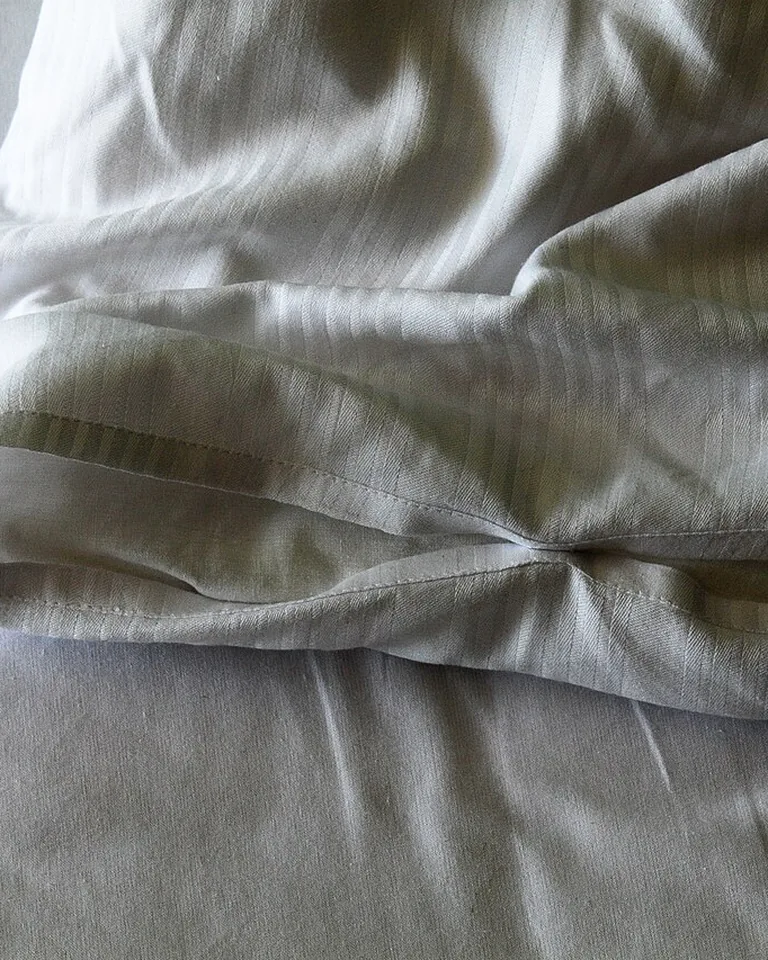
The foundation of moody bedding should absorb light, not reflect it. A breathable matte linen duvet in graphite, espresso, or deep olive sets the tone and gives every shinier layer something to play against. Linen’s natural slub and wrinkles are part of the appeal — it looks lived-in, not messy.
Cost/difficulty: $80–$200 for a quality linen duvet cover. Pro tip: washed linen softens with every wash and hides wrinkles better than cotton sateen, so it is the lowest-maintenance luxury fabric you can buy.
3. Add a Velvet Quilt for Low-Light Sheen

This is where the magic happens. A velvet quilt or throw in a slightly richer value than your duvet — oxblood over espresso, aubergine over charcoal — catches lamplight with a subtle sheen that matte fabrics cannot produce. The contrast between matte linen and glowing velvet is the signature of the whole moody look.
Cost/difficulty: $60–$150. Pro tip: cotton velvet reads richer than polyester and breathes better; drape it loosely rather than smoothing it flat so the pile catches light from different angles.
4. Fold a Matelassé Coverlet Under the Duvet
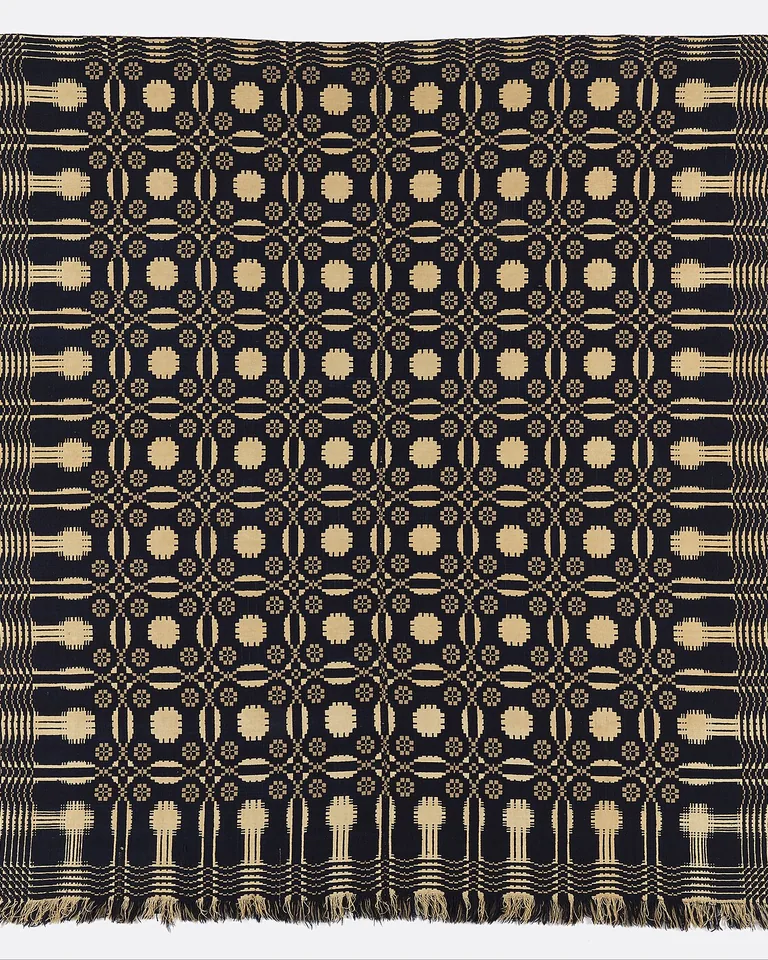
For an extra-luxurious feel, layer a matelassé coverlet between your sheets and duvet, folded back hotel-style. Its quilted texture adds a third dimension — matte linen, textured matelassé, glowing velvet — and it is practical too: an easy extra layer on cold nights without remaking the whole bed.
Cost/difficulty: $70–$160. Pro tip: choose the coverlet one shade lighter or darker than the duvet, not a perfect match — intentional variation between tones is what creates depth.
5. Mix in Lighter Sheets for Relief
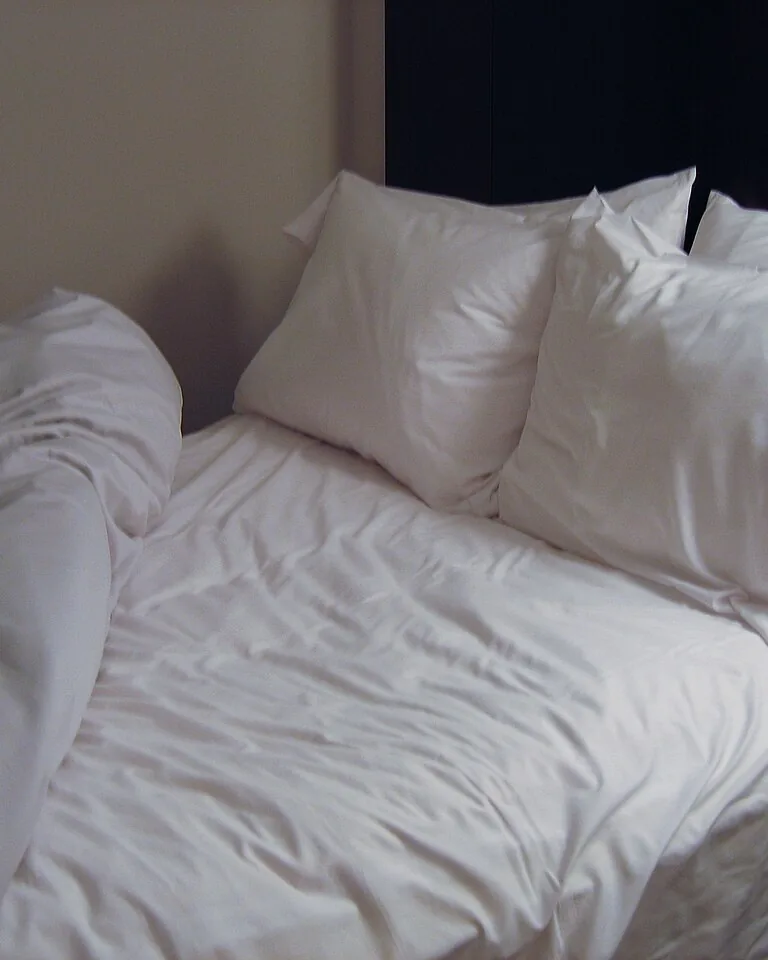
An all-dark bed can feel heavy and one-note. Sheets in sateen or percale in ivory, stone, or mushroom add relief against darker layers and keep the palette sophisticated. Fold the flat sheet back over the duvet so a band of light fabric frames the darker layers — it is the contrast that makes the dark look intentional.
Cost/difficulty: $40–$90 for a sheet set. Pro tip: sateen has a soft sheen that echoes velvet; percale is crisp and matte. Pick the handfeel you prefer against your skin — you will feel it every night.
6. Build the Pillow Stack Back to Front
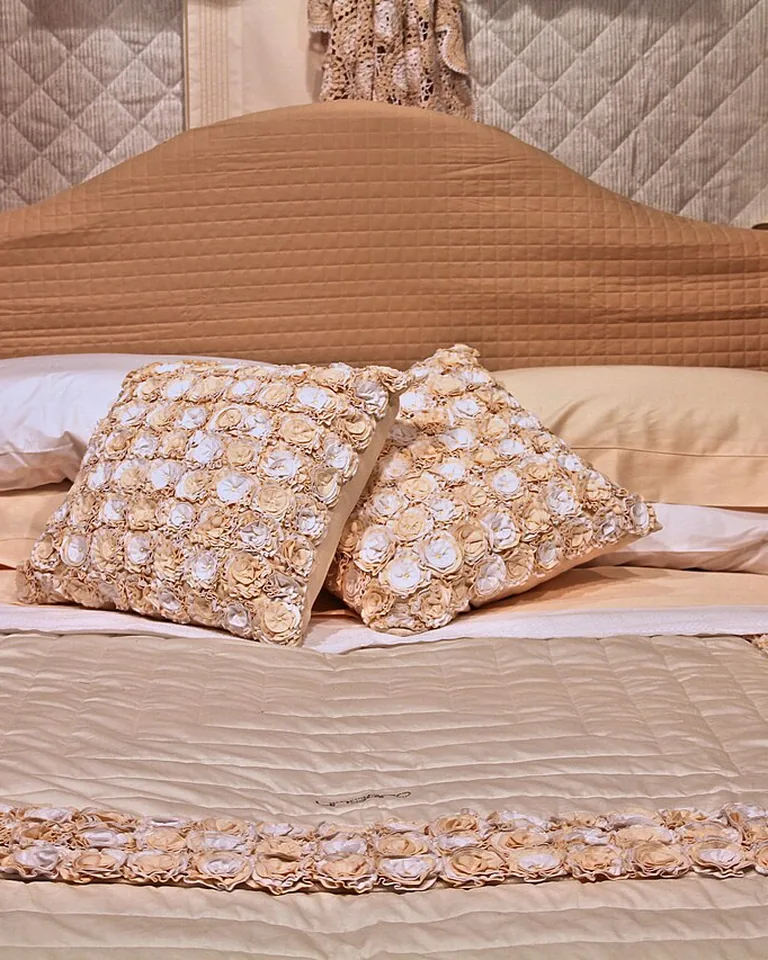
Pillows give a moody bed its finished silhouette. The classic formula: two Euro pillows against the headboard to raise the eye line, two standard sleeping pillows in front, then a long lumbar or two square accents in a contrasting texture — velvet, embroidered silk, or bouclé. Stack in graduating sizes, back to front.
Cost/difficulty: $60–$140 for shams and inserts. Pro tip: avoid matching every pillow to the same exact tone — the depth comes from intentional variation between navy, charcoal, and black rather than one flat color.
7. Drape a Chunky Knit or Bouclé Throw
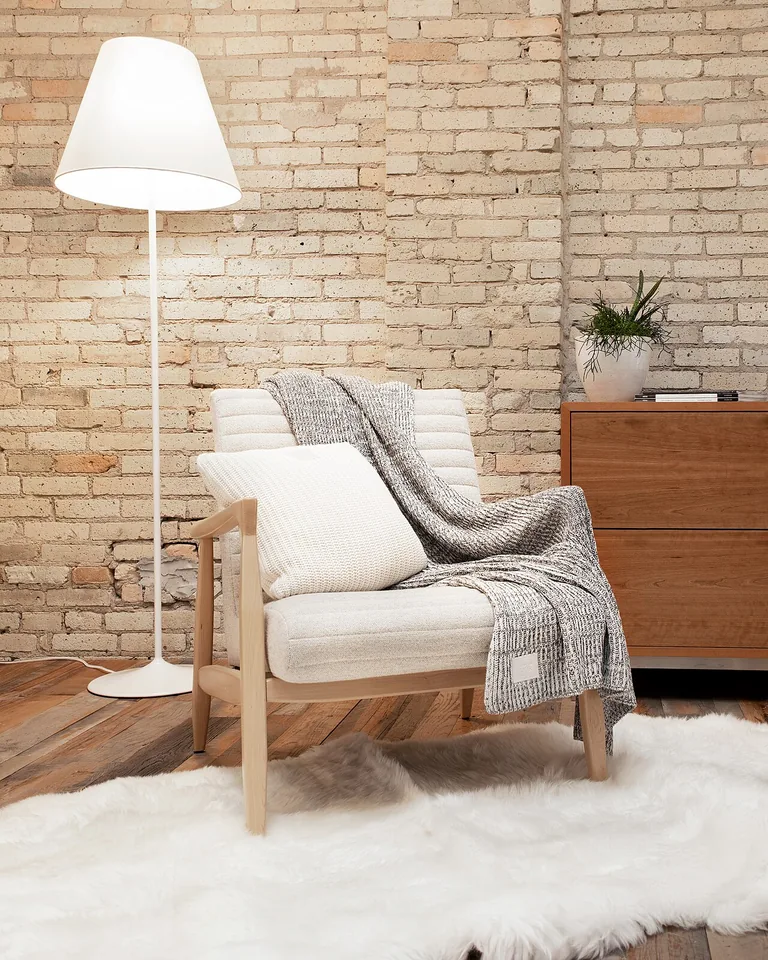
A textural throw at the foot of the bed is the styling moment that says “curl up here.” Chunky knits, bouclé, or a plaid wool throw add the nubby, touchable layer that balances all the smooth velvet and linen. In winter go lofty — wool or cashmere; in summer swap to washed cotton to keep the mood without the heat.
Cost/difficulty: $40–$100. Pro tip: drape it diagonally or casually folded, never perfectly symmetrical — a little imperfection keeps a dark bed from looking stiff or funereal.
8. Work the Rich Tones: Oxblood, Aubergine, Espresso

Moody does not mean only black and gray. The richest moody palettes come from complex, saturated hues: oxblood, aubergine, deep forest green, espresso, midnight navy. These colors have depth that flat black lacks, and they flatter skin tones and warm lighting in a way pure black never does.
Cost/difficulty: free if you shop your palette intentionally. Pro tip: limit yourself to 3–4 colors total across the whole bed — harmony comes from restraint, and every extra color dilutes the mood.
9. Add One Moody Pattern — Just One
A single pattern keeps a dark bed from feeling flat: a pinstripe duvet, a block-print lumbar, a somber floral on a dark background. Keep the scale considered — big moody stripes or micro-prints work better than mid-scale chaos — and let everything else stay solid so the pattern has room to breathe.
Cost/difficulty: $30–$80 for one patterned piece. Pro tip: vintage-inspired florals in burgundy and black on a lumbar pillow add a feminine note without breaking the moody spell.

10. Ground the Bed With a Dark, Layered Rug
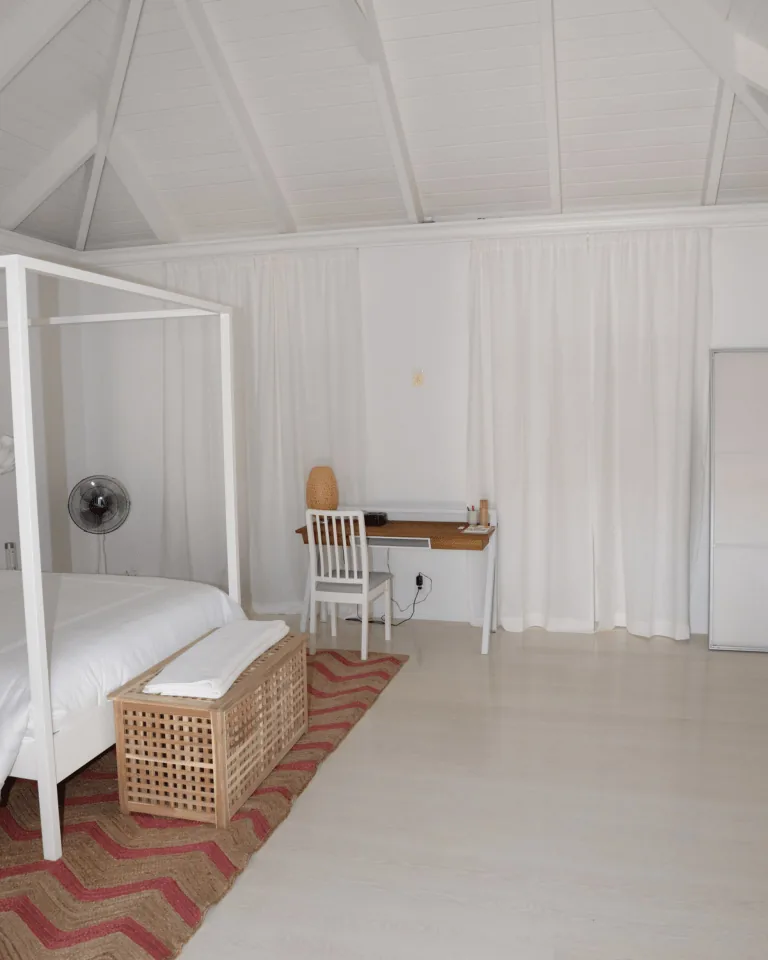
Moody bedding floats unless the floor anchors it. Layer a plush rug in graphite, espresso, or inky blue under the bed — an 8×10 for a queen, 9×12 for a king, with 18–24 inches showing on three sides. Try a flatweave base with a softer patterned rug on top for the same layered logic as the bedding.
Cost/difficulty: $100–$400; the room’s biggest textile investment after bedding. Pro tip: rugs also soften echo, which deepens the cocooning effect — a moody bedroom should sound as calm as it looks.
11. Keep the Lighting Warm and Low
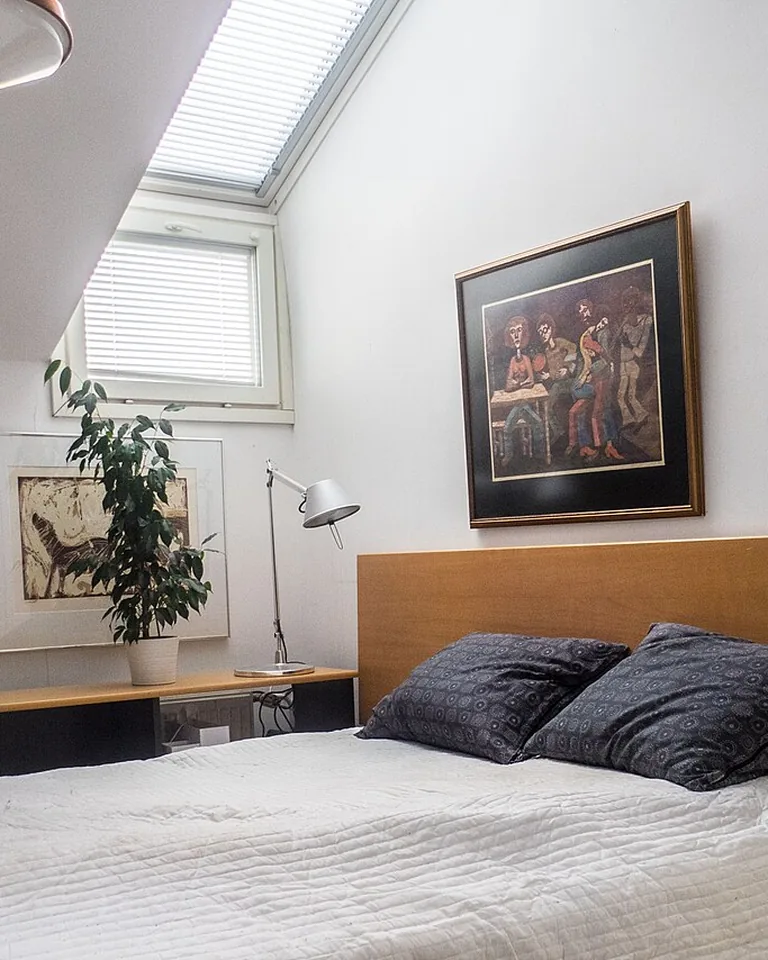
Dark bedding only glows under the right light. Swap daylight bulbs for warm 2200–2700K LEDs, put everything on dimmers, and light the bed with bedside lamps or wall sconces rather than overheads. Velvet and sateen come alive under low, warm light; under harsh white light they just look dark.
Cost/difficulty: $20–$60 for bulbs and a dimmer. Pro tip: an LED strip behind the headboard grazes the bedding with soft light and makes the whole bed look styled even when it is not perfectly made.
12. Swap Seasonally Without Losing the Mood

Moody bedding works year-round if you adjust the weights, not the palette. Winter: lofty wool duvet, cashmere throw, flannel sheets in deep tones. Summer: washed cotton or linen duvet, lighter coverlet, same dark color story. The mood lives in the tones and textures, so keep those constant and only change what touches your skin.
Cost/difficulty: $50–$120 for a summer-weight set. Pro tip: store off-season layers in vacuum bags under the bed — a moody bedroom stays moody only if the closet is not exploding.
Frequently Asked Questions
What colors make bedding look moody?
Deep, saturated tones with complexity: charcoal, espresso, oxblood, aubergine, forest green, and midnight navy. Avoid flat pure black on everything — it reads harsh. The richest moody beds mix two or three of these deep tones with one lighter relief color like stone or ivory.
How do you layer bedding like a designer?
Work bottom to top: sheets, duvet, a quilt or matelassé coverlet folded back a third of the way, then a textural throw at the foot. Vary the fabrics — matte linen against glowing velvet against nubby knit — and keep tones in the same dark family with intentional variation. Fold, don’t tuck, so the layers show.
How many pillows should be on a bed?
For a styled moody bed: two Euro pillows at the back, two standard sleeping pillows, and one lumbar or two accent squares in front — five to six total for a queen or king. Fewer looks unfinished; more becomes a nightly chore. Keep the sleeping pillows you actually use closest to you.
Does dark bedding make a bedroom look smaller?
Dark bedding makes the bed feel more intimate and intentional, not necessarily smaller — especially when the walls stay lighter. If the whole room is dark, balance with warm lighting, a mirror, and lighter sheets for relief. The “cave” effect comes from flat darkness with no contrast, not from dark bedding itself.
What bedding material looks the most luxurious?
Velvet for sheen, washed linen for relaxed richness, and cotton sateen for smooth luster. The most luxurious beds combine all three: matte linen duvet, velvet quilt, sateen sheets. No single fabric does it alone — luxury is the contrast between textures under warm light.
A moody bed is built, not bought: matte linen base, velvet middle with sheen, lighter sheets for relief, pillows stacked back to front, and a throw that invites you in. Keep the palette to a few rich tones, light it warm and low, and let texture do the talking. The result is a bedroom that feels rich, layered, and intentional — the kind of bed you climb into early with a book and no intention of getting up.