12 Bedding Finishing Touches That Make the Whole Bedroom Feel Complete
A bedroom can be fully decorated — art hung, rug placed, curtains up — and still feel somehow unfinished. The culprit is almost always the bed. It is the largest surface in the room, and when it looks thrown-together, the whole space reads that way too. The fix is not buying more bedding; it is the finishing touches.
The ideas below are the styling moves designers and hotel housekeepers use to make a bed look complete: pillow formulas, folds, texture rules, and small polish habits that cost nothing but intention. They work with any style — which is exactly what separates this guide from a style roundup. If you are hunting for a specific look, explore these cute bedding ideas or these moody bedding ideas; everything here sits underneath whichever vibe you pick.
1. Build a Pillow Staircase
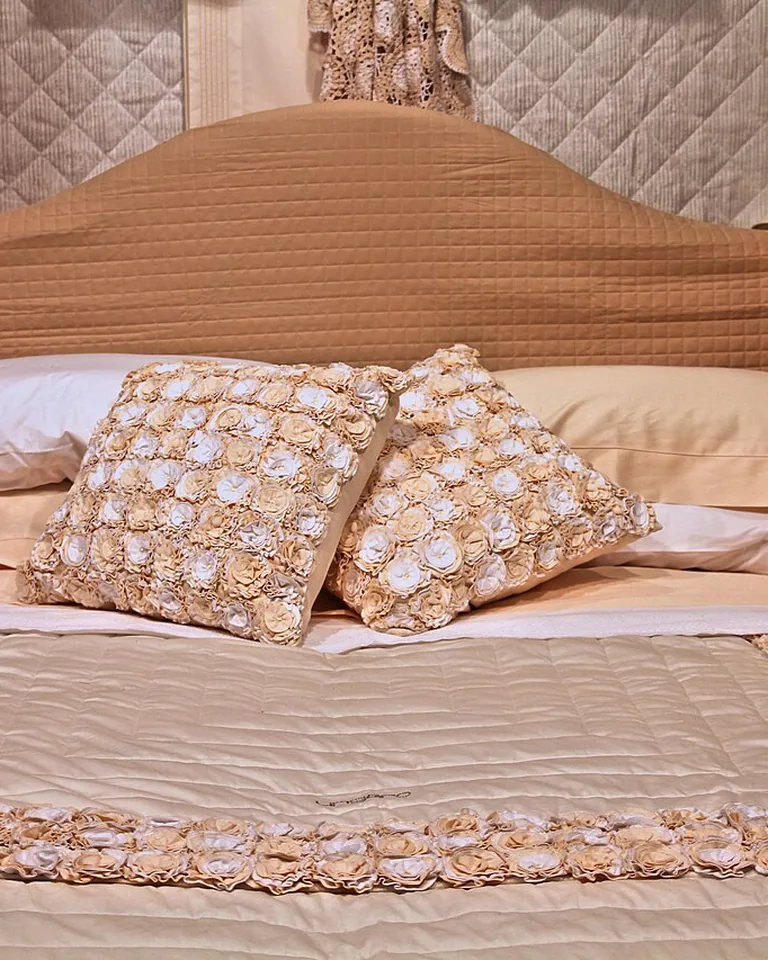
A finished bed has height. Start with tall Euro shams flat against the headboard, prop sleeping pillows in front of them, then finish with one low lumbar or two small accent squares. This descending “staircase” gives the bed structure and a clear focal point — and it works because the eye reads height as intentionality.
Pro tip: For a queen, two Euros, two sleeping pillows, and one lumbar is the sweet spot. On a king, add a third Euro for balance.
2. Fold the Top Third of the Duvet Back
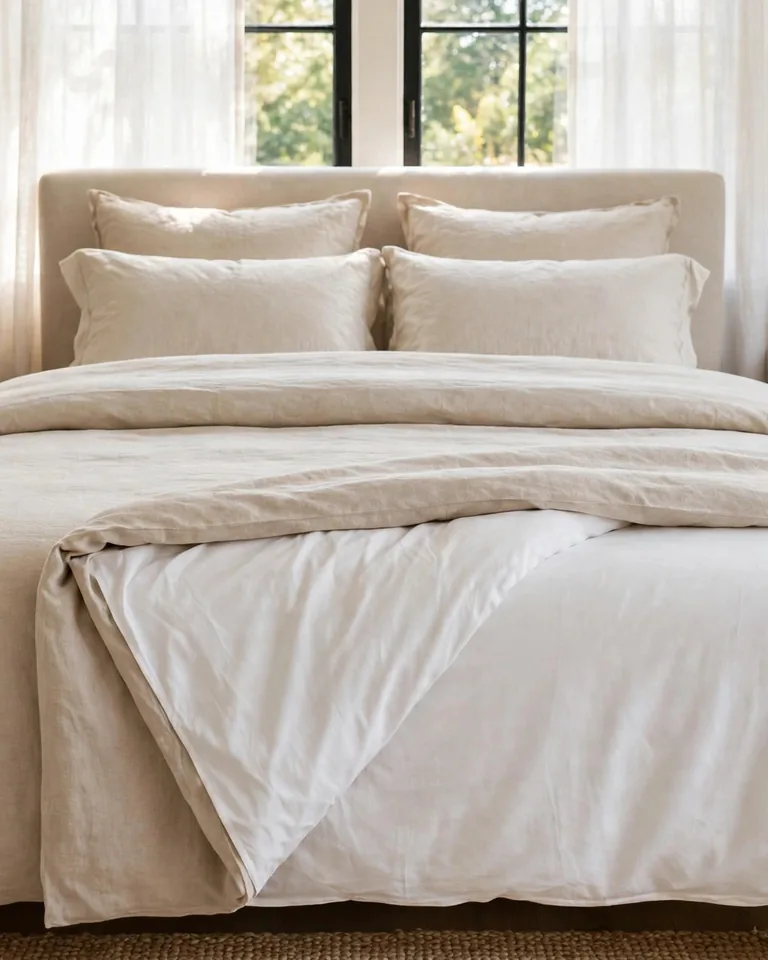
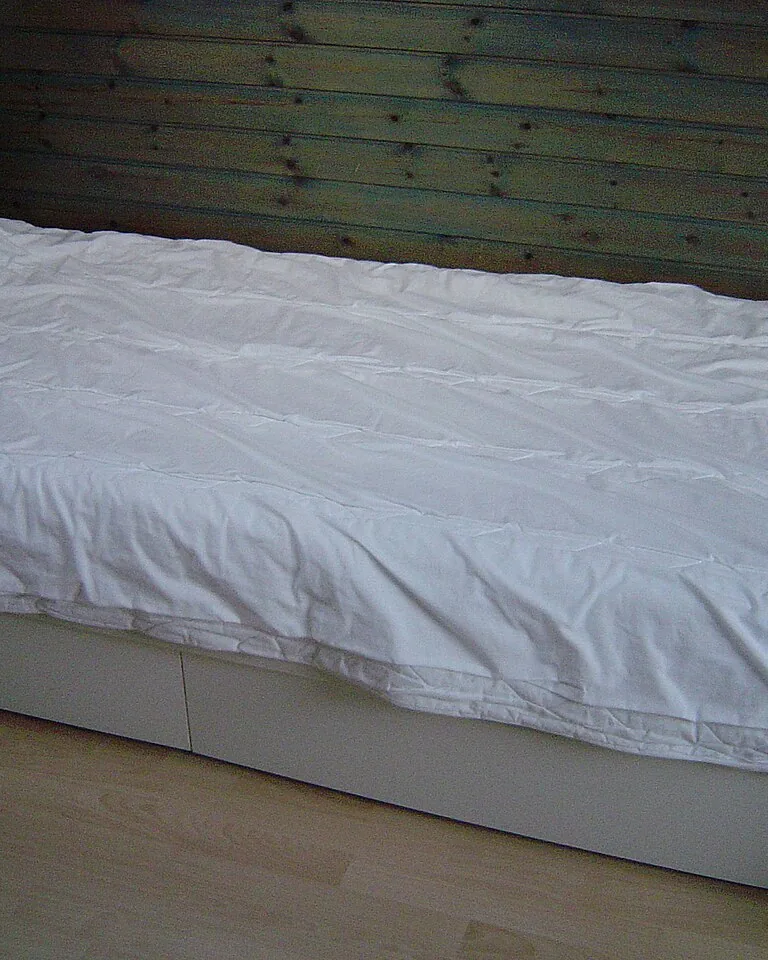
Instead of pulling the duvet all the way to the headboard, fold the top third back toward the foot. This single move instantly reveals the sheet layer underneath, creating visible depth instead of one flat slab of fabric. It is the fastest way to make a bed look styled, and it takes five seconds.
Pro tip: Fold it back loosely rather than creasing it hard — a relaxed fold reads luxurious, a pressed fold reads fussy.
3. Work in Exactly Three Textures

Stylists have a texture formula: one smooth (sheets), one matte or woven (duvet or quilt), and one nubby or plush (throw or knit). Three distinct textures is what makes a bed read layered rather than flat. One texture looks bare; five looks busy. Count yours before you buy anything new.
Pro tip: You probably already own three — try smooth cotton sheets + a quilted coverlet + a knit throw and see the difference.
4. Lay a Coverlet Across the Foot, Hotel-Style
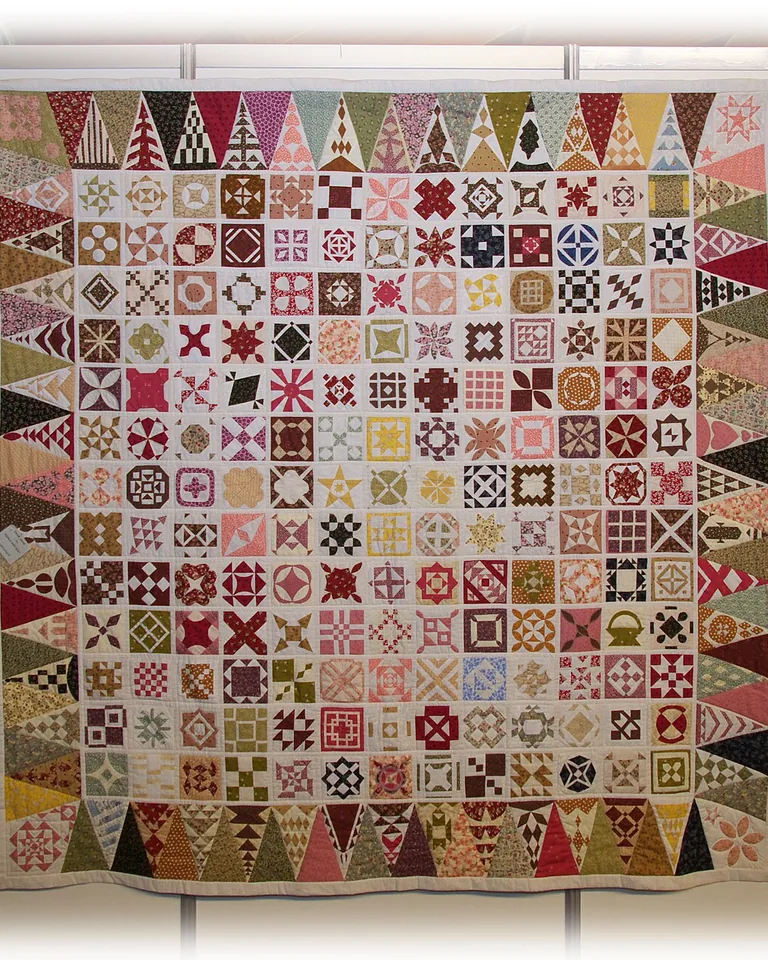
A quilt or coverlet folded neatly across the lower third of the bed is the classic hotel finishing move. It breaks the visual expanse of the duvet, adds a practical layer you can pull up at night, and gives the bed a finished lower edge. Look for a stitched pattern or a tone slightly deeper than your duvet for contrast.
Pro tip: Fold it back about a third of the way down so both the coverlet and the duvet show — stacked bands, not a hidden layer.
5. Drape the Throw Diagonally — Imperfect on Purpose
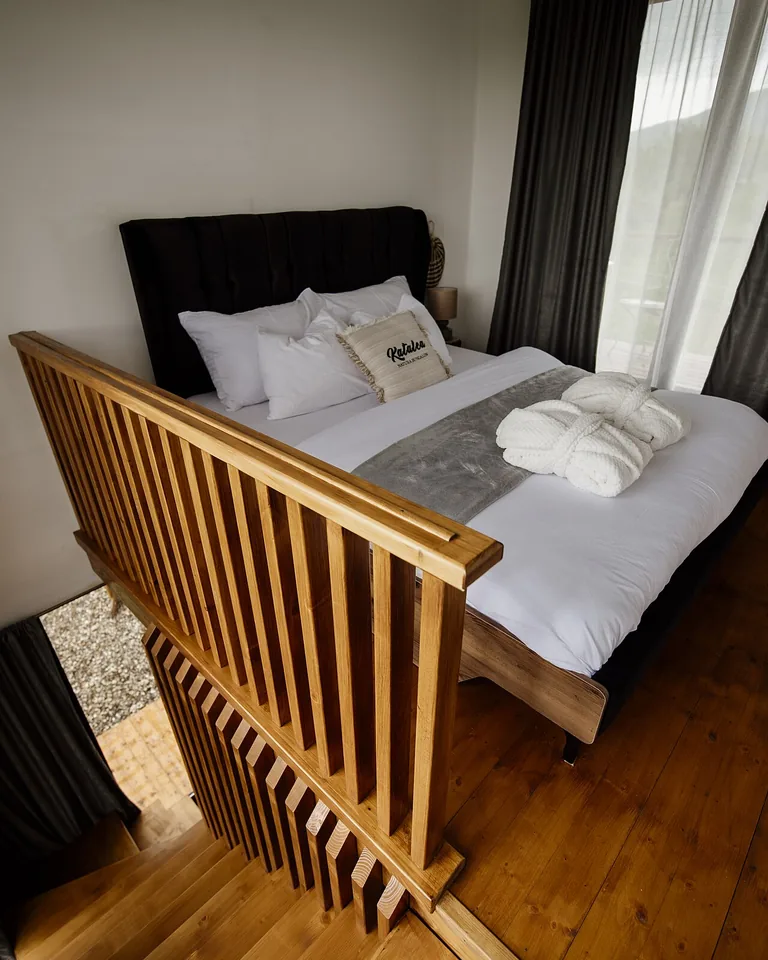
The throw is the last layer, and it should look placed, not squared. Drape it diagonally across one corner of the bed rather than centering it perfectly. This deliberate “imperfection” is what reads as designed. Choose a throw that echoes one color from your pillows so the whole bed looks intentional.
Pro tip: Drape the throw over the folded coverlet, not under it — the layer order matters for the visual stack.
6. Show the Flat Sheet as a Turn-Down Band
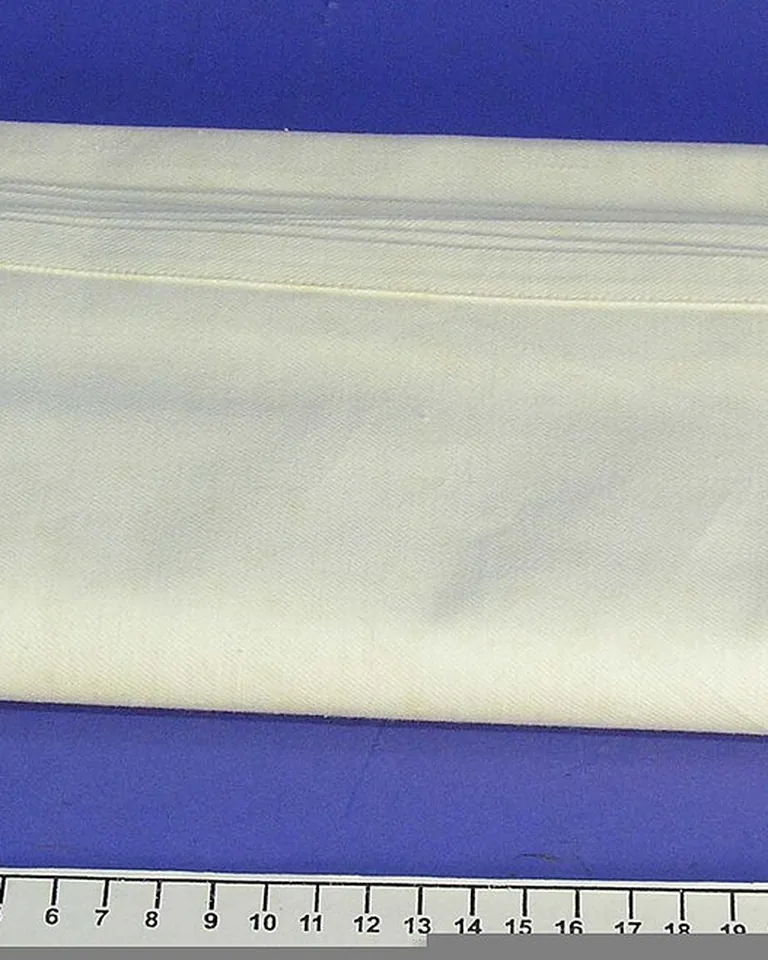
Make the bed with the flat sheet wrong side up, leaving extra room at the top, then fold it back over the duvet to create a wide band of contrasting fabric across the pillows. That visible stripe of sheet — ideally in a slightly lighter tone than the duvet — is what gives beds in catalogues their finished top edge.
Pro tip: If you skip the flat sheet, you lose this move — it is one of the best arguments for keeping a top sheet in your routine.
7. Give Accent Pillows the Designer Chop

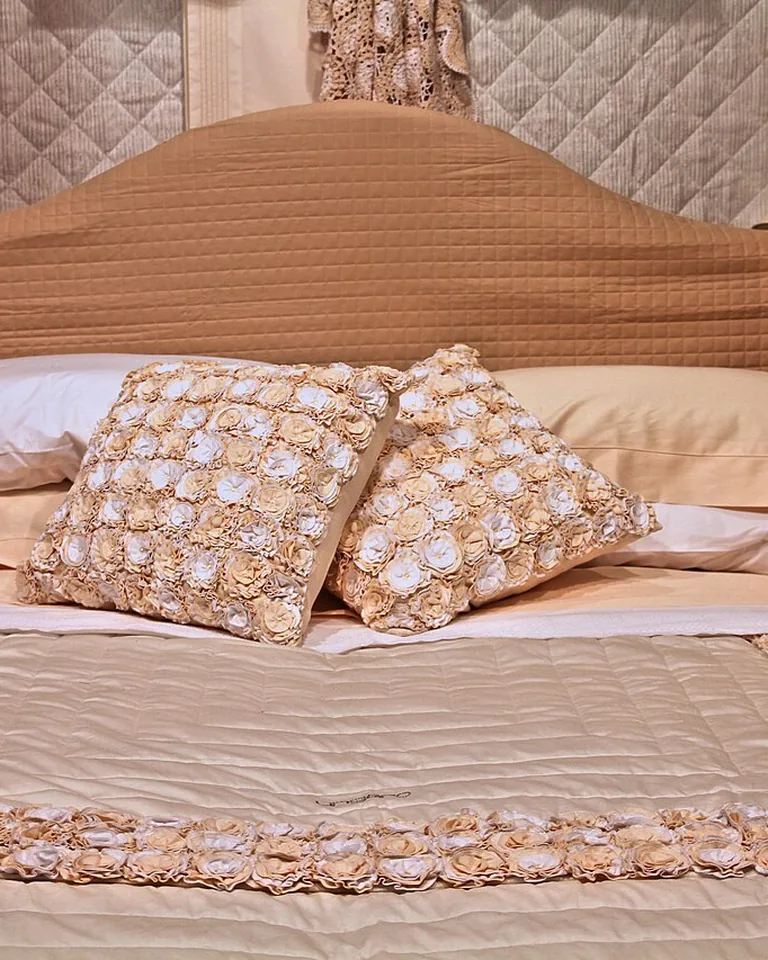
The “karate chop” — a vertical indent in the top of a fluffy accent pillow — is the signature move of styled beds everywhere. It makes the pillow look fuller and adds a casual, lived-in finish. It works best on square down or down-alternative inserts; on cheap flat polyfill it just looks dented.
Pro tip: Chop only one or two front pillows, not every pillow on the bed — over-chopping reads gimmicky.
8. Size Up Your Pillow Inserts
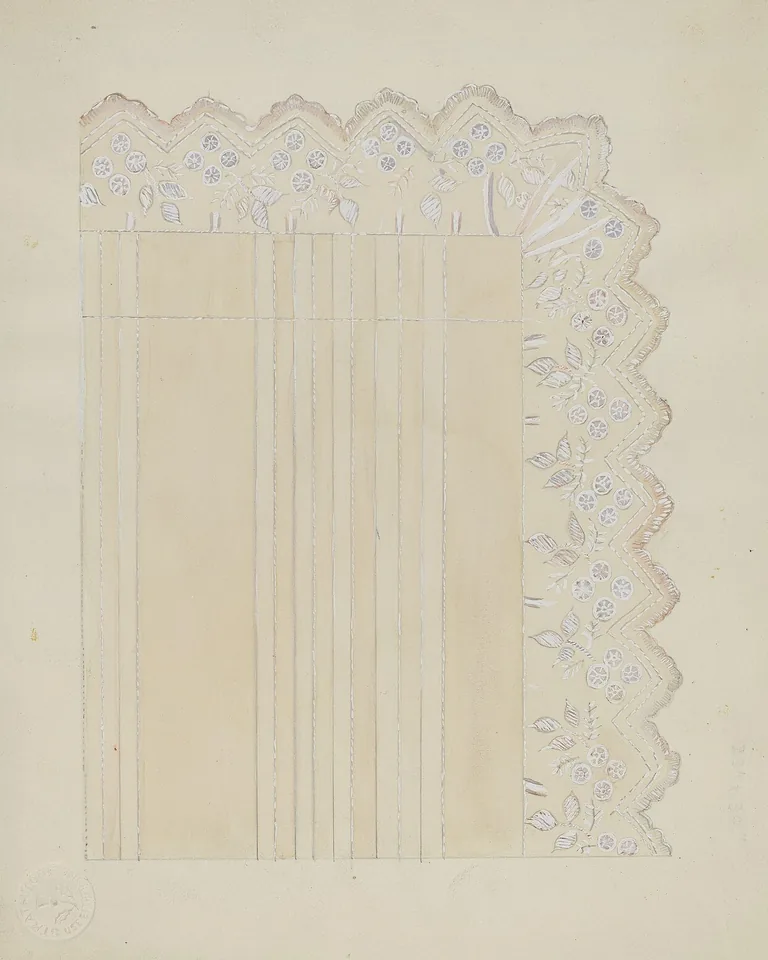
Flat, limp pillows are the single biggest giveaway of an unfinished bed. The stylist trick: buy inserts two inches larger than the cover. A 26-inch insert in a 24-inch Euro sham, or a 22-inch insert in a 20-inch square, gives that plump, hotel-bed fullness. It is a one-time swap that changes every pillow you own.
Pro tip: If your pillows have gone flat but you like the covers, replace only the inserts — feathers re-loft far better than old polyfill.
9. Keep Big Layers Neutral, Put Color in Accessories

When sheets and duvets stay neutral, color arrives through the throw and accent pillows — which are cheap to swap and low-risk to experiment with. This keeps the bed calm and cohesive while the accessories do the talking. It is also the easiest way to seasonally refresh: one new lumbar changes the whole bed.
Pro tip: Pick your accent color from something already in the room — a rug, art, or curtains — so the bed connects to the space.
10. Repeat One Bedding Color at the Nightstand or Bench
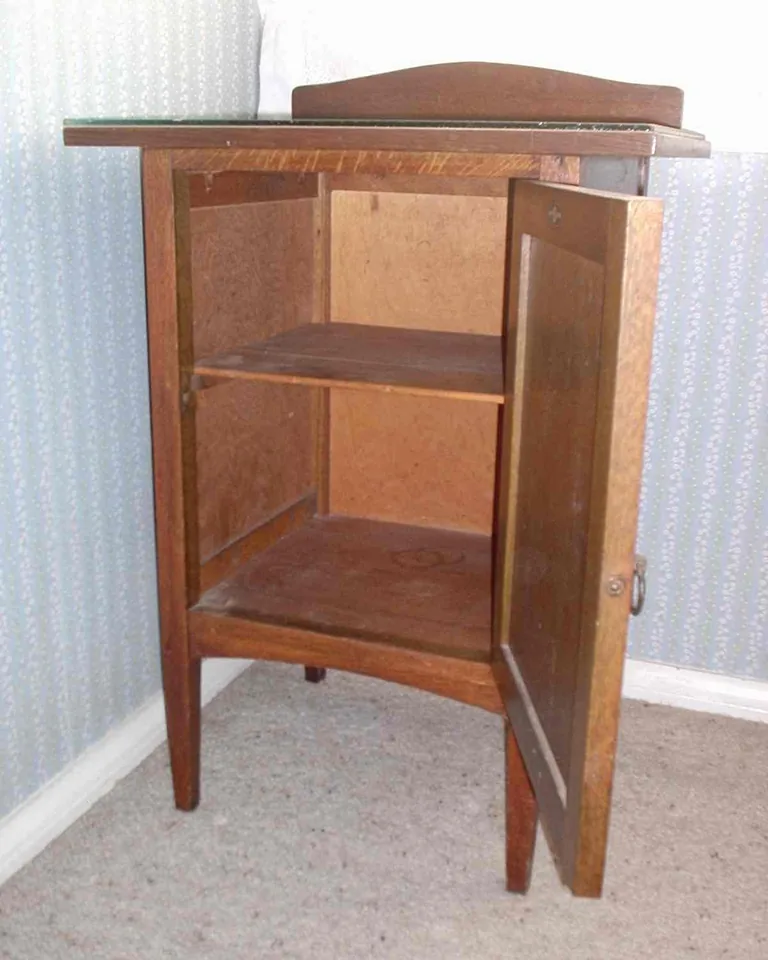
A bed only feels “finished” when it talks to the rest of the room. Echo one bedding color elsewhere: a book spine on the nightstand, a small vase, a folded throw on a bench at the foot of the bed. This tiny repetition is what makes a bedroom feel designed rather than decorated in isolation.
Pro tip: A bench or ottoman at the foot of the bed doubles as a place to drape that second throw — it also hides where layers meet the floor.
11. Decide the Bed Base Deliberately — Skirt or No Skirt
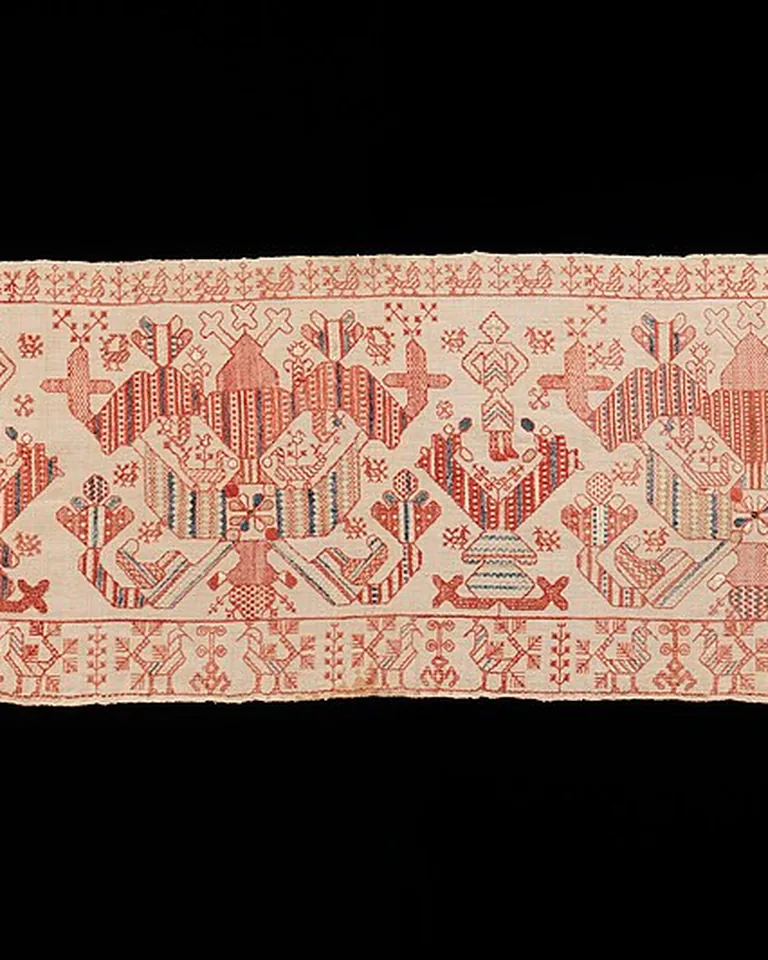
Nothing says “unfinished” like a bed where the base was never decided. If you have under-bed storage to hide, a tailored bed skirt (not a ruffled one) makes the bed look intentional. If the base is attractive, let the duvet drape long enough to skim the floor — coverlets that end mid-frame look like they shrank in the wash.
Pro tip: Measure your drop before buying a skirt; a skirt that hovers an inch above the floor looks like a mistake, not a choice.
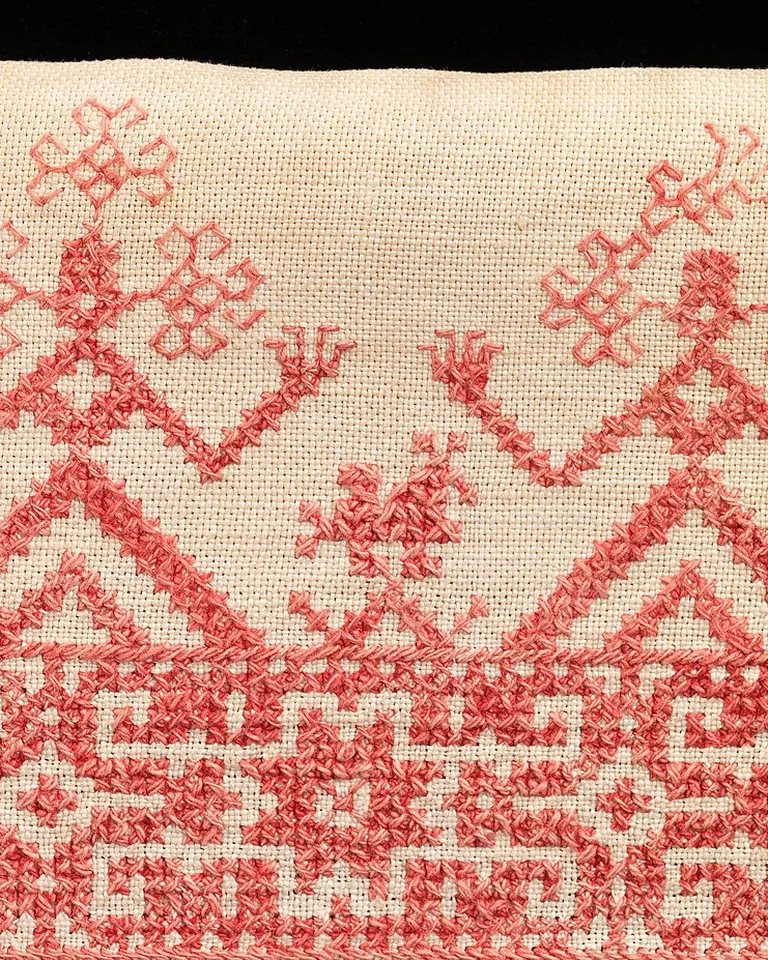
12. Steam the Turned-Down Edge

The final touch: a handheld steamer run along the turned-down sheet band and the fold of the duvet. It takes two minutes and removes the rumpled look that separates a home bed from a photographed one. If you do not own a steamer, pull the top layer out of the dryer while it is still slightly damp and make the bed immediately.
Pro tip: Steam only the visible bands — no one sees under the duvet, so do not waste effort where it does not show.
Bedding Finishing Touches: FAQ
How do you make a bed look professionally styled?
Build height with a staircase of pillows (Euros, then sleeping pillows, then a low lumbar), fold the top third of the duvet back to reveal a layer, work in three distinct textures, and finish with a casually draped throw. Keep big layers neutral and put color in the accessories. Those four moves are the whole professional method.
What is the “designer chop” on pillows?
It is a vertical indent pressed into the top center of a fluffy accent pillow — like a karate chop — which makes the pillow look fuller and gives it a styled, casual finish. It works best on square down or down-alternative pillows and should be limited to one or two front pillows.
How many pillows is too many on a bed?
Once pillows take up more than about a quarter of the bed’s length, they start looking like clutter and become a nightly chore. For a queen, six to seven total (sleeping plus decorative) is a practical maximum — two Euros, two sleeping pillows, and one or two accents gives a finished look without excess.
What is the difference between a duvet and a comforter for styling?
A comforter is a single stitched piece with filling inside; a duvet is a cover holding a separate fluffy insert. Stylists usually prefer duvets because the insert is loftier (better for the plump, cloud-like look) and you can swap covers to change the style without buying new bedding.
What is the best way to layer a bed for an editorial, high-end look?
Start with sheets, add the duvet, then a coverlet or quilt folded back a third, Euro shams and sleeping pillows in a staircase, and one to three decorative accents. Keep the palette cohesive, vary texture more than pattern, and let one element — the throw, one pillow, or one fold — be the star.
The final finish is the room itself. A styled bed earns its “complete” feeling when the rest of the senses agree: try these natural ways to make your home smell amazing for a guest-worthy scent layer, and if you share the bed, these married couple bedroom ideas keep both partners’ finishing-touch preferences in balance. Once the bed is styled, the lighting is warm, and the room smells like itself — that is what a finished bedroom feels like.