12 Beautiful Ways to Cover Windows Without Curtains (Still Get Privacy)
You can absolutely cover windows without curtains and still have them look beautiful — the key is matching the covering to what the room actually needs: privacy, light control, or both. Roman shades, woven wood blinds, plantation shutters, frosted window film, café curtains, and even a row of tall plants can give you the privacy of curtains without the bulk, dust, and fabric overload.
This guide walks you through 12 curtain-free window treatments that designers are actually using in 2026, with an honest look at how much privacy each one gives you and how much light you keep. Use the comparison table before the FAQ to pick the right option for each room.

1. Roman Shades
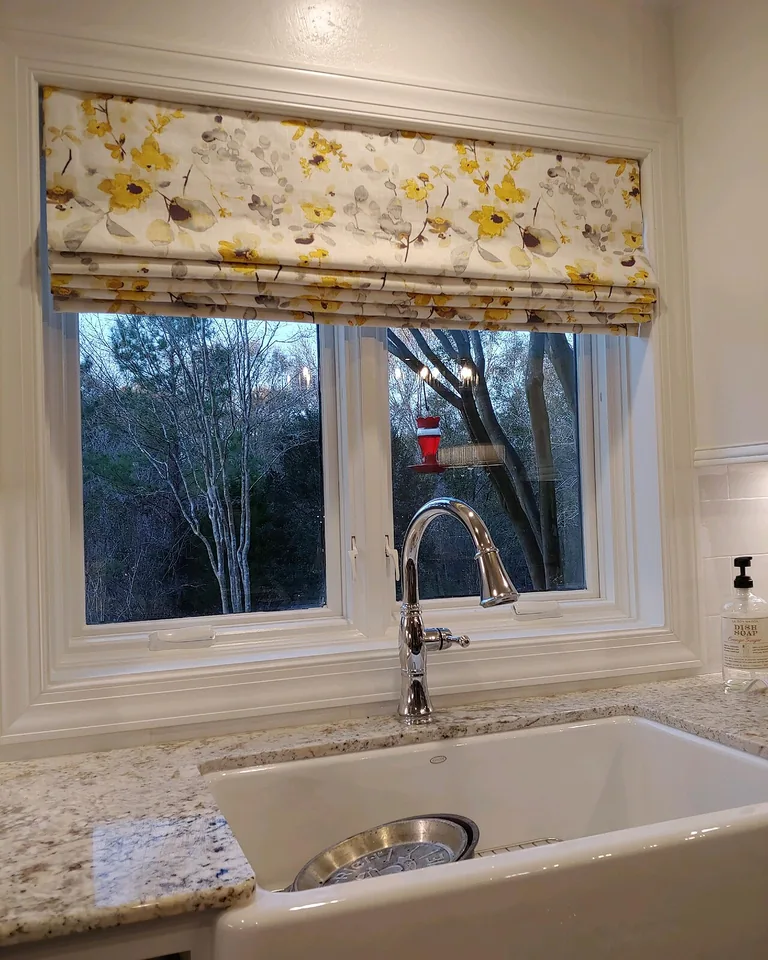
Roman shades are the most popular swap for curtains right now because they offer the softness of fabric without floor-length panels. They fold into a neat stack when raised and lie flat against the glass when lowered, giving you a tailored, finished look. Choose an inside mount to show off attractive window trim, or an outside mount to make a small window look larger. Tip: measure the recess depth — including the window handle — before ordering, since a shade that collides with the handle every morning is anything but effortless.
2. Woven Wood Shades

Made from bamboo, reeds, or grasses, woven wood shades add natural texture and warmth that curtains can’t replicate. They filter daylight instead of blocking it, so the room gets a soft, diffused glow that feels calm and layered. The weave matters: tighter weaves give more privacy, looser weaves give more light. Tip: add a lining if the window faces a neighbor — it boosts privacy without giving up the organic look. If you’re layering natural textures in a kitchen, these pair especially well with the ideas in our kitchen window ideas.
3. Plantation Shutters
Plantation shutters make windows feel like part of the architecture instead of a problem to dress. The adjustable louvers give you precise control: open them for full daylight, angle them to cut glare and block sightlines at the same time. Modern designs are slim and often painted to match the trim, so they read clean rather than traditional. Tip: confirm panel swing clearance before installation — furniture blocking a shutter panel is a costly mistake.
4. Roller and Solar Shades

Roller shades practically disappear when rolled up, making them ideal for kitchens, bathrooms, and small rooms where anything bulky is a nuisance. Solar shades are the standout variant: during the day, their tight weave lets you see out while blocking the inward view — the strongest see-out, no-see-in effect you can get without curtains. Tip: solar shades reverse at night when interior lights are brighter than outside, so pair them with a second layer for bedrooms, or go for dual roller shades with a room-darkening layer.
5. Frosted Window Film
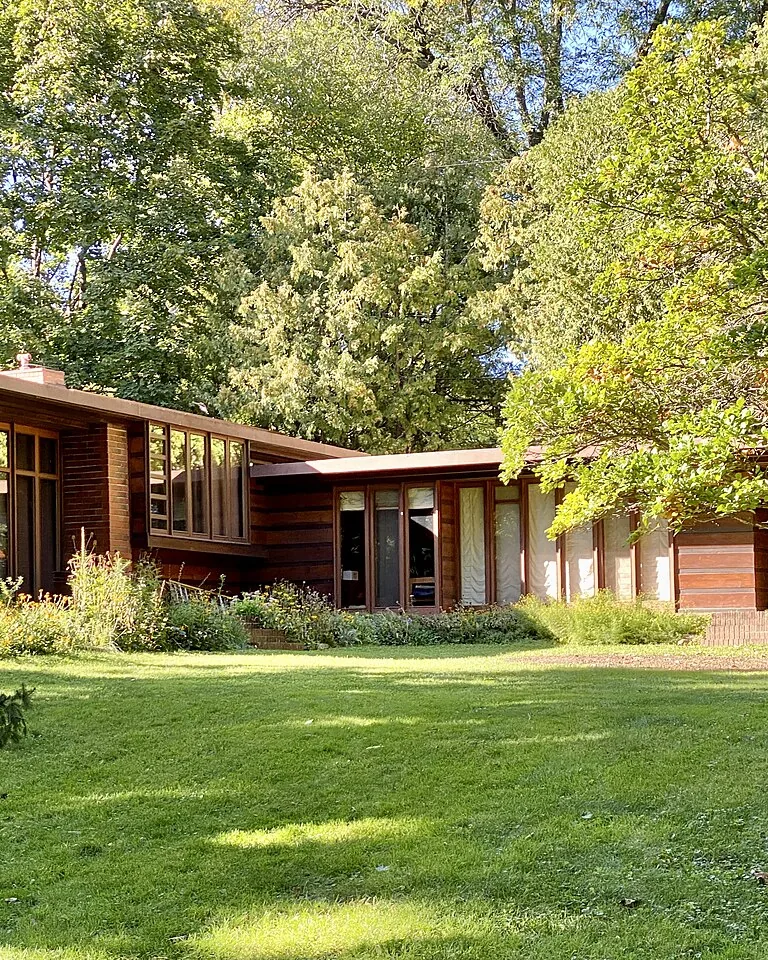
Frosted privacy film is one of the cheapest and easiest curtain alternatives — a roll costs roughly five to ten dollars per window and applies with just water and a squeegee. It lets daylight through while blurring the view from both sides, which makes it perfect for bathrooms and street-facing windows. Static-cling film removes cleanly, so renters can use it without worry. Tip: it’s daytime privacy, not nighttime — once your lights are on, silhouettes can show through, so add a shade for true after-dark privacy.

6. Stained-Glass-Look Film

If plain frosted film feels too utilitarian, stained-glass-look film turns the window into a design feature. Dozens of designs exist — from jewel-toned geometrics to soft floral patterns — and they work beautifully in powder rooms and entryways where you want the window to be art. Use cling film rather than adhesive so you can reposition it and take it down without residue. Tip: order a sample first; colors shift in real daylight and may look different from product photos.
7. Café Curtains

Café curtains cover only the lower half of the window, which is exactly where privacy matters for street-level rooms. They screen the seated eye line while leaving the top half open for light and a clear view out — the original “cover the sightline, not the whole window” solution. They hang on a slim tension rod or café rod, take minutes to install, and suit kitchens and breakfast nooks beautifully. Tip: hang the rod at the natural sightline break of the window frame rather than the exact middle for a more intentional look. If you like this half-covered style, see our bay window curtain ideas for similar partial-coverage approaches.
8. Tension Rod + Lightweight Fabric (No Drilling)

For renters who can’t drill, a tension rod fitted inside the window frame lets you hang lightweight fabric, a throw blanket, or even cloth napkins without a single hole. Curtain ring clips turn almost any fabric into a quick window treatment — an upcycling trick that’s genuinely cheaper than buying ready-made panels. Tip: match the fabric weight to the rod’s strength; thick blankets need a wide, sturdy rod or they’ll slide by morning.
9. Beaded or Macramé Hangings
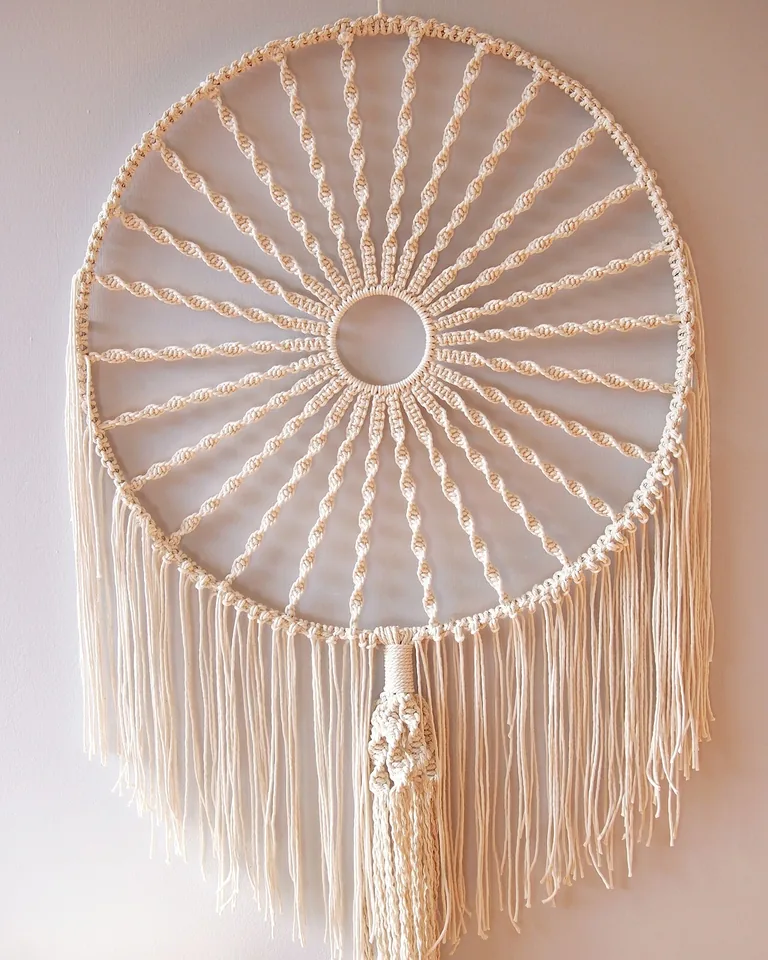
Wooden beaded strands and macramé hangings are the boho answer to curtains — they add movement, texture, and personality without claiming to be a privacy solution. Hung from small tack nails or command hooks across the top of the window, they soften the opening and filter a little light while keeping the room bright. Tip: layer strands at different lengths for a more finished look, and keep them away from high-traffic sills where they get tangled.
10. A Living Screen of Plants
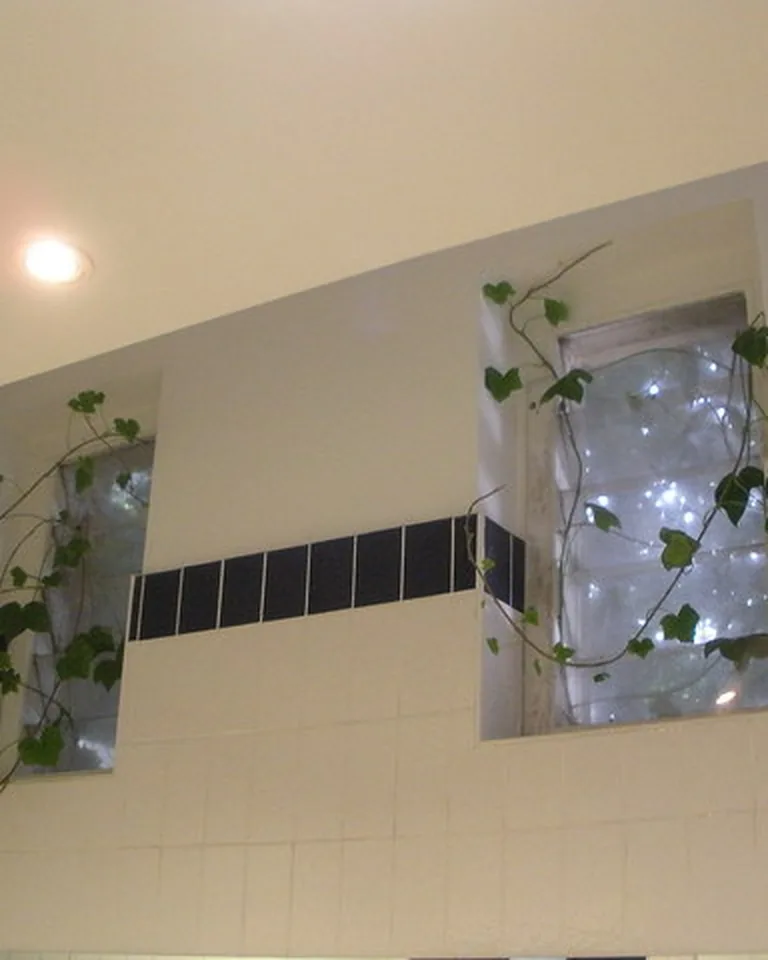
Tall, leafy plants — fiddle-leaf figs, bird of paradise, or clustered snake plants — create a natural privacy barrier in front of windows while improving the room’s whole mood. Hanging planters with trailing pothos or philodendron can even create a curtain-like effect as the vines grow. This works best on garden-facing or upper-floor windows where partial coverage is enough. Tip: put plants on stands or ledges at staggered heights so coverage starts lower and fills in as they grow. Our greenery bedroom ideas have more ways to weave plants into window styling.

11. Decorative Privacy Screens

A freestanding decorative screen propped in front of a window blocks sightlines without touching the glass at all — useful when the window is oddly shaped or you want something completely reversible. Wooden lattice, rattan, and perforated metal screens all read as décor rather than a compromise, and you can move them between rooms. Tip: anchor the screen so it can’t tip — a bracket or heavy base prevents a costly crash if it’s near a door that swings.
12. Painted Sashes and Bare Windows

Sometimes the best window treatment is confidence: paint the window sashes a deep black or dark green, and leave the window bare. The dark frame turns the view into living art, and the look works in both grand country homes and modern apartments. This is the right call when privacy isn’t an issue and the window itself — or the view — is worth showing off. Tip: add small black accents elsewhere in the room (frames, a chair) so the look feels deliberate rather than unfinished. For more ideas on using paint as a design tool, browse our window painting ideas.

Quick Comparison: Privacy vs. Light vs. Cost
Use this table to match each option to your room’s needs. “Night privacy” matters — sheer and film options often reverse after dark.
| Option | Privacy | Light | Approx. Cost |
|---|---|---|---|
| Roman shades | High | Adjustable | $$ |
| Woven wood shades | Medium (lining helps) | High | $$ |
| Plantation shutters | High | Adjustable | $$$ |
| Roller / solar shades | High (daytime) | Adjustable | $–$$ |
| Frosted window film | Medium (daytime) | High | $ |
| Stained-glass film | Medium (daytime) | Medium | $ |
| Café curtains | Medium | High | $ |
| Tension rod + fabric | High | Adjustable | $ |
| Beaded / macramé | Low | High | $ |
| Plant screen | Medium | High | $$ |
| Privacy screen | Medium | High | $$ |
| Bare + painted sashes | None | Full | $ |
Where you land in the living room matters too — if your seating faces the window, check our guide on arranging living room furniture around a TV and fireplace so your layout and your window treatment work together.
FAQs
What is the best way to cover windows for privacy without curtains?
For reliable privacy, Roman shades, plantation shutters, and roller shades are the strongest curtain-free options — all give you full coverage with adjustable light control. Frosted window film is the cheapest strong option for bathrooms and street-facing windows, but remember it mainly protects daytime privacy.
How can I cover a window cheaply without blinds or curtains?
Frosted window film (about five to ten dollars per window), a tension rod with thrifted fabric or cloth napkins, and command hooks with a lightweight throw are the cheapest routes. All are renter-friendly and removable, which makes them smart stopgaps while you save for a permanent treatment.
Does frosted window film give privacy at night?
Not completely. Frosted film obscures the view in daylight, but when your interior lights are brighter than the outside, silhouettes can become visible through it. For true nighttime privacy in bedrooms, pair film with a shade or shutter layer that closes after dark.
Which window treatments let in light but still give privacy?
Light-filtering cellular (honeycomb) shades, woven wood shades, frosted film, and top-down/bottom-up shades all deliver daylight while blocking sightlines. Café-style shutters and café curtains take the partial approach: they cover the lower sightline and leave the upper glass open for light and views.
Can I cover windows without drilling any holes?
Yes. Tension rods fit inside the window frame without screws, static-cling window film applies with water and peels off cleanly, command hooks hold lightweight fabric or macramé, and freestanding privacy screens need no mounting at all. All four are ideal for rentals and reversible for any home.