How to Arrange Living Room Furniture With a TV and Fireplace: 11 Layouts That Work
A living room with both a TV and a fireplace comes with a built-in design conflict: two strong focal points fighting for the same square footage. The fix isn’t choosing one and ignoring the other — it’s picking a layout where the furniture serves both. Here’s the short version: place your sofa at 1.2 to 1.6 times your TV’s diagonal size (about 7 to 9 feet for a 65-inch screen), keep all upholstery at least 3 feet from the firebox, leave 30 to 36 inches of clear walkway, and put the coffee table 14 to 18 inches from the sofa. Below are 11 furniture layouts built on those measurements, from the classic stacked setup to zoning tricks for large and awkward rooms.
The First Decision: What’s the Room’s Main Focal Point?
Before you move a single armchair, answer one question: what gets used most? If movie nights are sacred, the TV is the primary focal point and the fireplace plays a supporting, atmospheric role. If the room is for conversation, reading, and entertaining, center everything on the hearth and let the TV sit to the side or on an adjacent wall. The third option — the modern standard — is to merge them into one shared focal wall with a media-wall style setup.
There’s no universally “correct” answer; the right layout is the one that matches how your household actually lives. Pick your answer first, then choose the layout below that fits it.
Spacing Rules Every Layout Depends On
These measurements come from home theater and fire-safety standards, and they hold no matter which layout you pick:
- Viewing distance: For above-fireplace setups, sit 1.2 to 1.6 times the TV’s diagonal (65-inch 4K → roughly 6.5 to 8.7 feet). The farther back you sit, the flatter the upward viewing angle, which protects your neck.
- Fire-safety clearance: Keep sofas, chairs, rugs, and curtains at least 36 inches from an active fireplace opening. Fire-safety guidelines set a minimum 3-foot gap between anything combustible and a heat source.
- Walkways: Leave 30 to 36 inches of clear walking space along main traffic routes, and never block the primary path from the door just to force symmetry around the hearth.
- Coffee table: Position it 14 to 18 inches from the sofa edge, about two-thirds the sofa’s length, and 1 to 2 inches lower than the seat cushions.
- Conversation circle: Keep facing seats 6 to 8 feet apart so talking feels natural without anyone shouting or leaning in.
1. The Stacked Classic: TV Mounted Directly Above the Fireplace

The most popular arrangement in modern homes: one unified focal wall, with the screen above the mantel and the sofa centered directly opposite. It saves floor space and creates a single visual destination — perfect for smaller rooms where wall space is precious.
Make it work: Check heat clearances for your fireplace model before mounting — electronics do best with the wall below about 100°F, so run the fire on high for 45 to 60 minutes and test the proposed TV location first. Use a tilting mount (5 to 15 degrees down) or a pull-down mount to tame neck strain, and sit toward the back of your viewing-distance range to flatten the upward angle.
2. Side-by-Side: TV in the Fireplace Alcove
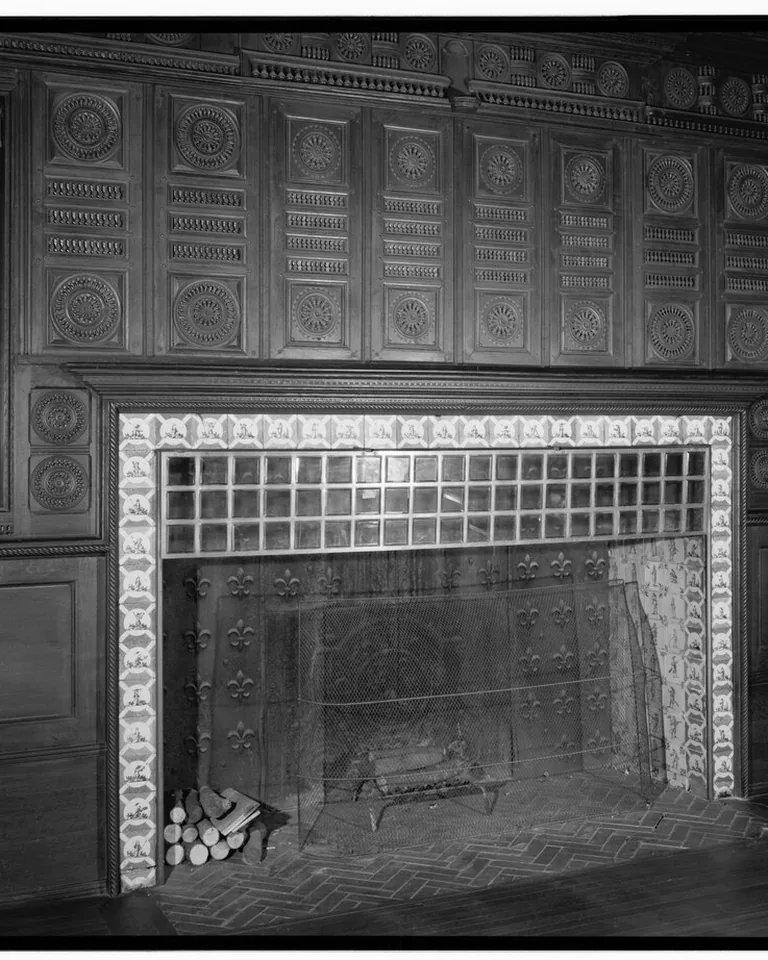
If your chimney breast has alcoves on either side, the classic solution is to place the TV in the nook next to the fireplace rather than stacking them. You can enjoy both without the screen towering overhead, and viewing height lands naturally at eye level.
Balance the wall: Whichever side holds the TV, give the other side equal visual weight — shelving, art, or a log store on the opposite side so the wall doesn’t look lopsided. Face the sofa directly toward the space between the two so neither focal point dominates.
3. Perpendicular Walls: TV on the Adjacent Wall
This is the defining trend for awkward and L-shaped rooms: fireplace on one wall, TV on the wall next to it, with the sofa positioned so it can face either one. Seating stays at natural eye level for the screen while the hearth keeps its architectural presence.
Best trick for this layout: Add a pair of swivel chairs opposite the sofa. Guests can pivot toward the fire for conversation or toward the TV for a show — the chairs do the diplomatic work the sofa can’t. An L-shaped sectional works too, with the chaise pointing at the fireplace and the main seat facing the screen.
4. The L-Shaped Sectional: Zoning a Big Room
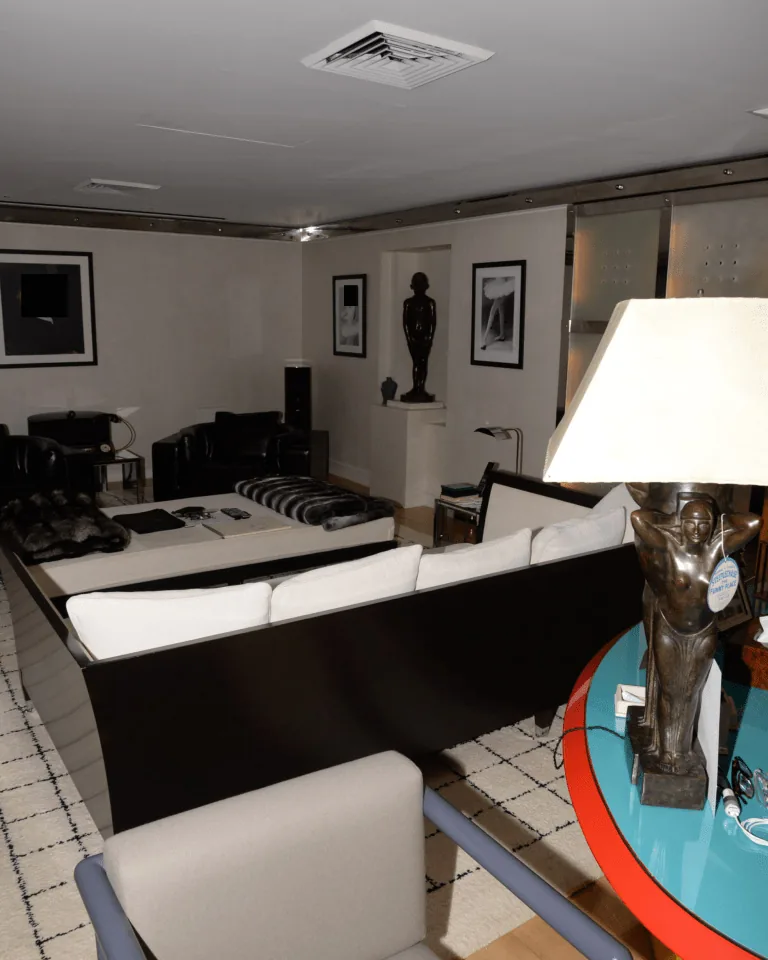
In a large or open-plan room, an L-shaped sectional does double duty: it faces the TV and fireplace while physically defining where the living area ends and the rest of the room begins. Float it in the center of the room rather than shoving it against a wall — the walkway behind it creates circulation and makes the room feel intentionally designed.
Scale it right: A sectional of 95 to 120 inches per side needs an 8×10 or 9×12 foot rug underneath, with at least the front legs of every seat resting on it. Low-back sectionals (30 to 34 inches) keep sightlines open in open-plan spaces.
5. Corner Fireplace, Angled Sofa
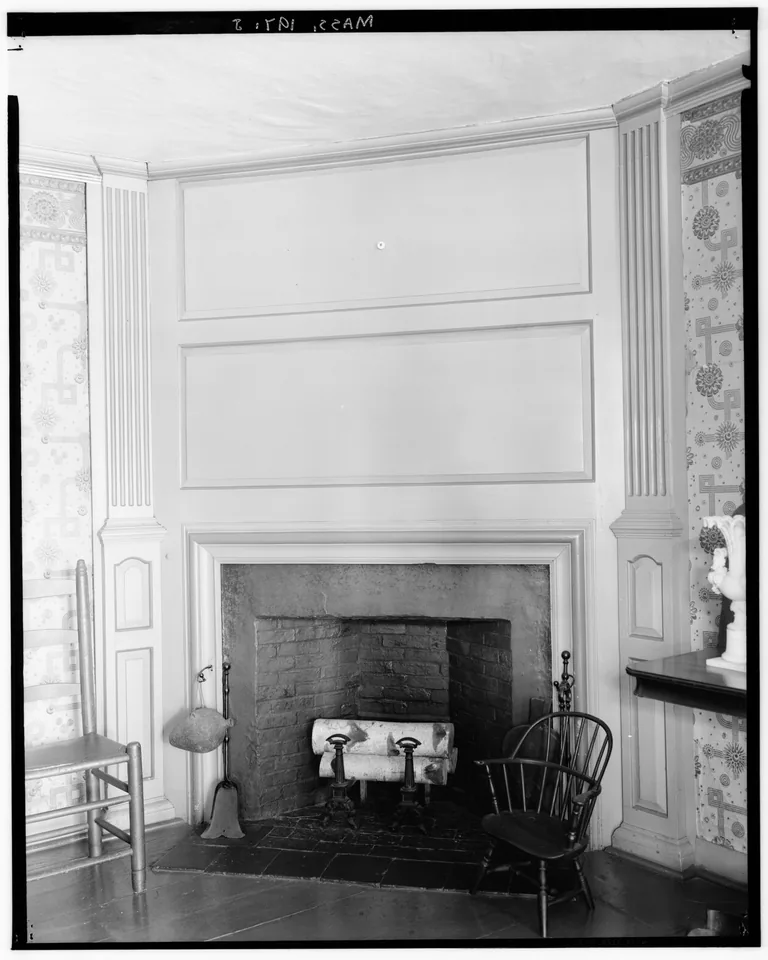
Corner fireplaces are common in older homes, and fighting them with a straight-on layout never works. Instead, angle the sofa across the opposite corner so it faces the hearth diagonally. The TV can sit on the adjacent flat wall or in a corner cabinet, comfortably inside the same diagonal sightline.
Why it works: The diagonal orientation instantly dissolves the “bowling alley” feel of a long, narrow room and turns an awkward corner into the room’s anchor. Keep walkways clear on both sides of the diagonal path — don’t let the angled sofa block the door-to-door route.
6. Swivel Chairs as the Bridge Between Two Zones
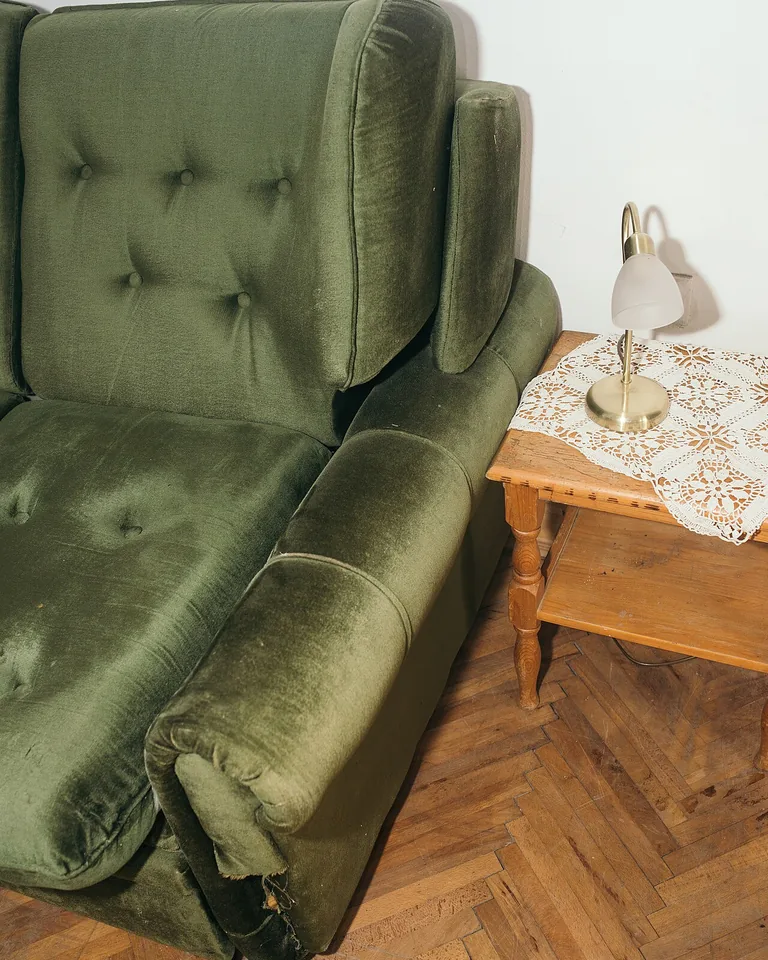
When the TV and fireplace can’t share a sightline, swivel barrel chairs are the secret weapon. One chair can face the sofa for conversation, pivot to the hearth on cold evenings, or turn directly toward the TV — no furniture moving required.
Placement: Angle them 15 to 30 degrees inward toward the sofa, leaving 18 to 24 inches between the chair arm and the sofa arm. Allow a 30- to 36-inch clearance circle around each swivel chair so it rotates without scraping the coffee table, and keep a small side table within easy reach of each chair.
7. Two Sofas Facing Each Other: The Conversation-First Layout
If entertaining matters more than movie marathons, arrange two sofas facing each other perpendicular to the fireplace. The hearth becomes the shared backdrop and everyone can see each other; the TV goes on a side wall or in an alcove, slightly angled into view.
Getting the details right: Keep the facing sofas 6 to 8 feet apart so conversation stays easy, anchor everything with one large rug, and choose a round coffee table or ottoman between them to soften the symmetry and keep knees unbruised in tight layouts.
8. The Floating Sofa: Centering an Open-Plan Room
In large square rooms, the worst move is pushing every piece of furniture against the walls — it creates a cold, waiting-room feel. Pull the sofa into the center of the room, facing the TV/fireplace wall, and let the walkway behind it separate the living zone from the dining or kitchen area.
The finishing touch: A console table behind the floating sofa (about 2 to 4 inches deep from the sofa back) gives the open side of the room something finished to look at and doubles as a landing spot for lamps, books, and a bowl of remotes.
9. The Small-Room Fix: Wall-Mount Everything and Slim the Furniture
Small living rooms need smarter choices, not just fewer items. Wall-mount the TV above a low-profile electric fireplace to free up floor space, and choose slimline furniture with exposed legs — visible floor underneath makes the room feel larger.
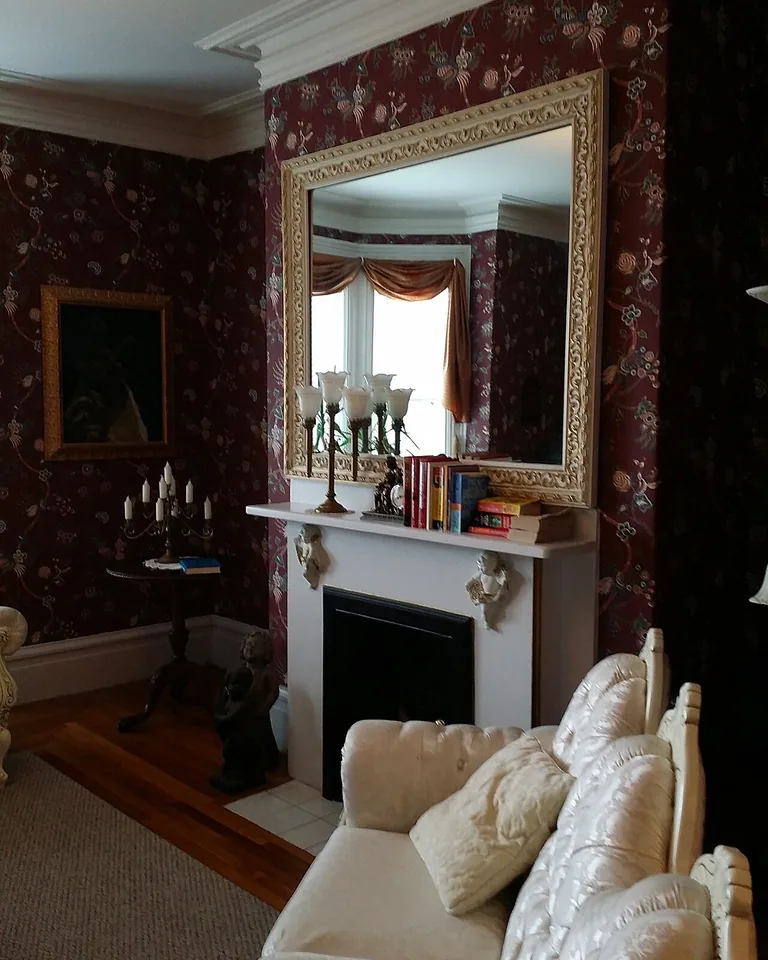
Small-room rules: Skip chunky rolled arms in favor of a 60- to 72-inch apartment sofa, use a round coffee table (it softens tight layouts), and pull the sofa just a few inches off the wall so seating forms a defined zone around both focal points instead of hugging the perimeter. If the TV is elsewhere, a mirror above the fireplace doubles the visual depth of the room.
10. The Slim Media Wall: Electric Fire + TV as One Unit
The modern media wall builds the TV and a linear electric fireplace into one shallow stud wall — a single architectural focal point with hidden cable management and integrated storage. It’s the cleanest answer to the screen-versus-flame conflict because it stops being a conflict: they’re one design.
Planning notes: Media walls protrude into the room to house the TV and fire depth, so push seating back far enough to compensate for the lost floor space. Keep the furniture symmetrical — a centered sofa with matching side tables mirrors the wall’s clean lines. Electric fires are the preferred choice here since they emit far less rising heat near the screen than gas. If your fireplace style leans rustic instead of modern, browse these shiplap fireplace ideas for a warmer focal-wall look that pairs just as well with a mounted TV.
11. Opposite Walls: TV Facing the Fireplace
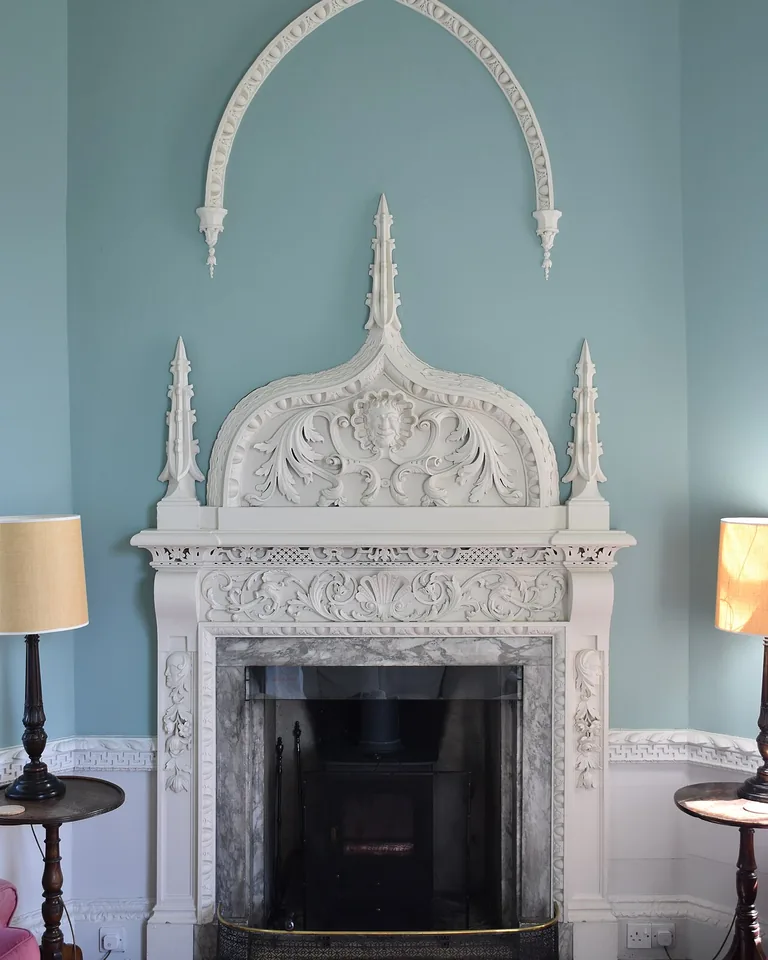
Placing the TV and fireplace on opposite walls works in long rooms where no single wall can hold both — the sofa sits between them, facing the TV while the fire glows behind it, or vice versa for conversation-first evenings.
Watch out for glare: The one real risk here is the fireplace’s light reflecting on the screen (or window light washing out the picture). Consider an anti-glare TV screen, and plan your window treatments so daylight never fires straight at the display — these bay window curtain ideas show how the right coverings tame light without making the room feel closed off. Face seating toward whichever focal point gets priority that evening; swivel chairs again earn their keep here.
Living Room Layout Mistakes to Avoid
- The waiting-room effect: pushing all furniture flat against the walls. It makes the room feel cold and kills conversation.
- TV too high: mounting the screen near the ceiling to clear a tall mantel. If you have to look up, it’s too high — try a pull-down mount or move the TV to an adjacent wall.
- Blocking natural light: putting the back of a tall sofa directly in front of a window. It darkens the room and makes the fireplace feel gloomy and dominating.
- Ignoring traffic flow: never put the coffee table in the direct path between the door and the seating area, and don’t force symmetry that blocks the main entry route.
- Skipping the tape test: before committing, mark furniture corners with painter’s tape on the floor and sit in the actual spots to check sightlines, glare, and comfort.
Frequently Asked Questions
Should the TV always go above the fireplace?
Not always. It’s the most space-efficient choice and works best in smaller rooms or with electric fires, where heat management is easier. But it can cause neck strain if the mantel is tall, and the high mounting position is a poor fit for very narrow rooms. If the fireplace is tall, masonry, or a working gas fire, consider the TV on an adjacent wall or in an alcove instead.
How far should the sofa be from the TV and fireplace?
For the TV, a comfortable starting point is 1.2 to 1.6 times the screen’s diagonal size — about 6.5 to 8.7 feet for a 65-inch 4K TV, sitting toward the farther end if the screen is above the mantel. For the fireplace, keep upholstered furniture at least 3 feet (36 inches) from an active firebox, per standard fire-safety guidance.
Does mounting a TV above the fireplace cause neck strain?
It can. Seated eye level is around 42 inches from the floor, while a TV above a mantel often centers the screen at 60 to 72 inches — a sustained upward gaze. Sitting farther back flattens the angle; a tilting mount angles the screen down toward you; and a pull-down mount brings the screen to eye level while watching. Deep or reclining sofas also help because leaning back naturally aligns your eyes with the screen.
Is it safe to put furniture near a fireplace?
Maintain a 3-foot safety zone around any active fireplace for sofas, chairs, rugs, and curtains. Leather and solid wood placed closer can dry out, crack, or warp from radiant heat. For the TV itself, check your fireplace and TV manufacturer’s clearance instructions — gas and wood fires produce significant rising heat that can damage electronics, which is why electric fires are the preferred choice under a mounted TV.
Can I put the TV opposite the fireplace?
You can, but watch for glare: firelight (or the reflective fireplace surround) can appear on the screen. An anti-glare screen and well-planned window treatments solve most of it. This layout suits long rooms where one wall can’t hold both, with the sofa sitting between the two focal points.
What if my living room is long and narrow?
Avoid placing the TV and fireplace at opposite narrow ends — that creates a “tennis court” effect with constant head-turning. Instead, put them on the same long wall (side-by-side or stacked) or use a corner/diagonal arrangement so the seating area stays central and intimate.
Conclusion
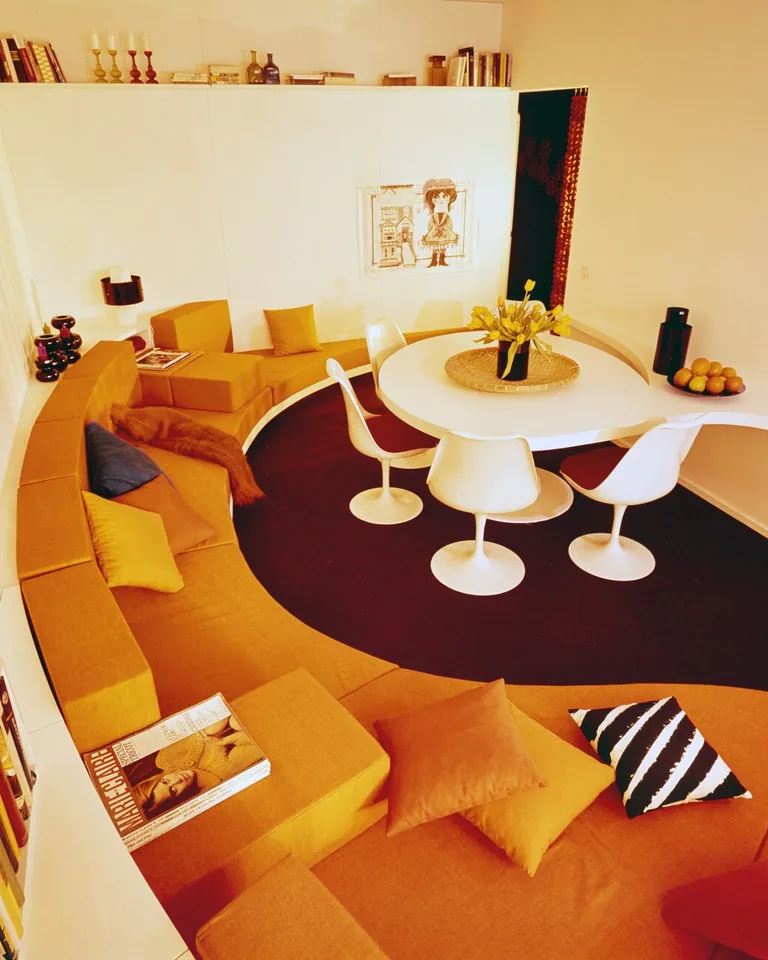
There’s no single correct way to arrange living room furniture with a TV and fireplace — there’s only the layout that fits your room’s shape and your household’s habits. Decide the main focal point first, respect the spacing rules (36 inches from the firebox, 30 to 36 inches of walkway, viewing distance matched to your screen size), and then choose from the 11 layouts above. Tape it out, sit in it, and adjust: the best arrangement is the one that feels natural on the first evening you live with it.