12 Husband and Wife Bedroom Ideas That Feel Stylish, Comfortable, and Personal
Designing a bedroom for two people with different tastes is one of the most common decorating challenges couples face — and one of the most rewarding to solve. The formula that works: a calm neutral base you both agree on, layered with accents that give each partner a voice. The twelve husband and wife bedroom ideas below cover color, furniture, lighting, storage, and the sleep differences couples rarely plan for, so the room feels stylish, comfortable, and unmistakably yours.
None of these require a full renovation. Most are weekend-level changes that make the room work better for both of you starting tonight.
1. Start With a Neutral Base You Both Agree On
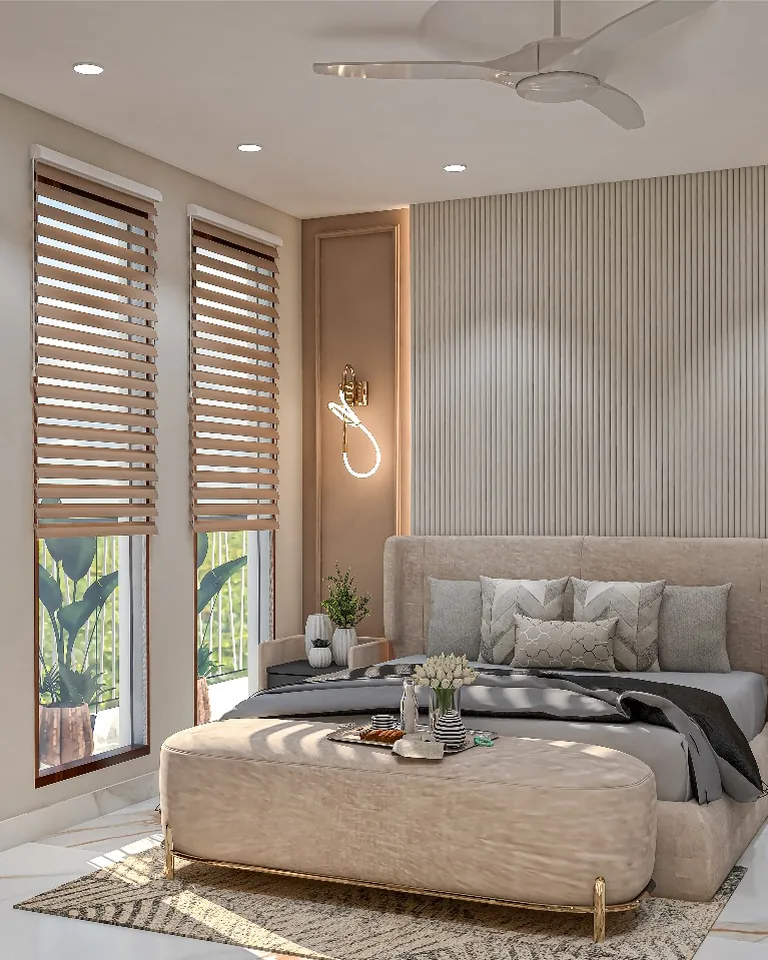
When tastes clash, neutrals are the peace treaty. Soft beige, warm gray, or creamy white walls create a calm backdrop that offends no one and makes the room feel larger — then personality comes in through bedding, art, and textiles. Agree on the base first and every later decision gets easier.
Cost/difficulty: $30–$60 for paint; a weekend. Pro tip: avoid super-bright whites, which can feel sterile — a warm off-white or greige keeps the room cozy instead of clinical.
2. Let Each Partner Own an Accent Color
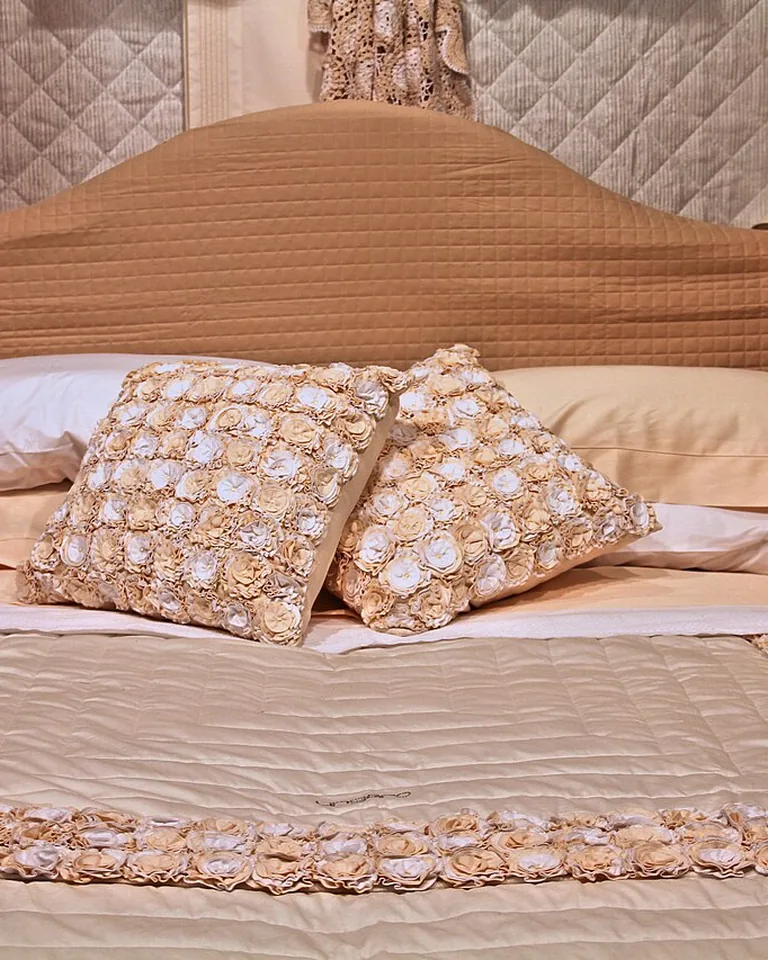
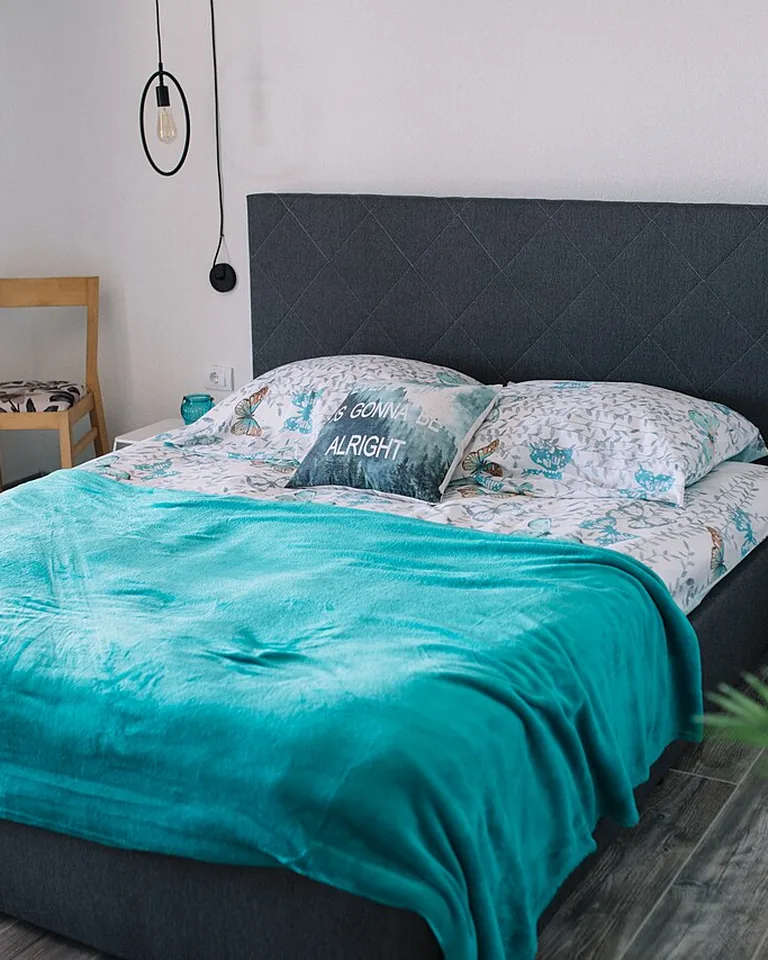
Here is the compromise that actually works: he loves navy, she loves emerald — use both. A neutral foundation can carry two accent colors beautifully when each appears two or three times (pillows, a throw, art, a rug edge). Neither partner’s taste disappears; they just share the stage.
Cost/difficulty: $50–$120 for textiles. Pro tip: pick the accents from one shared piece, like a piece of art you both love, so the two colors feel intentional instead of random.
3. Choose a Bed That Fits Both Sleepers
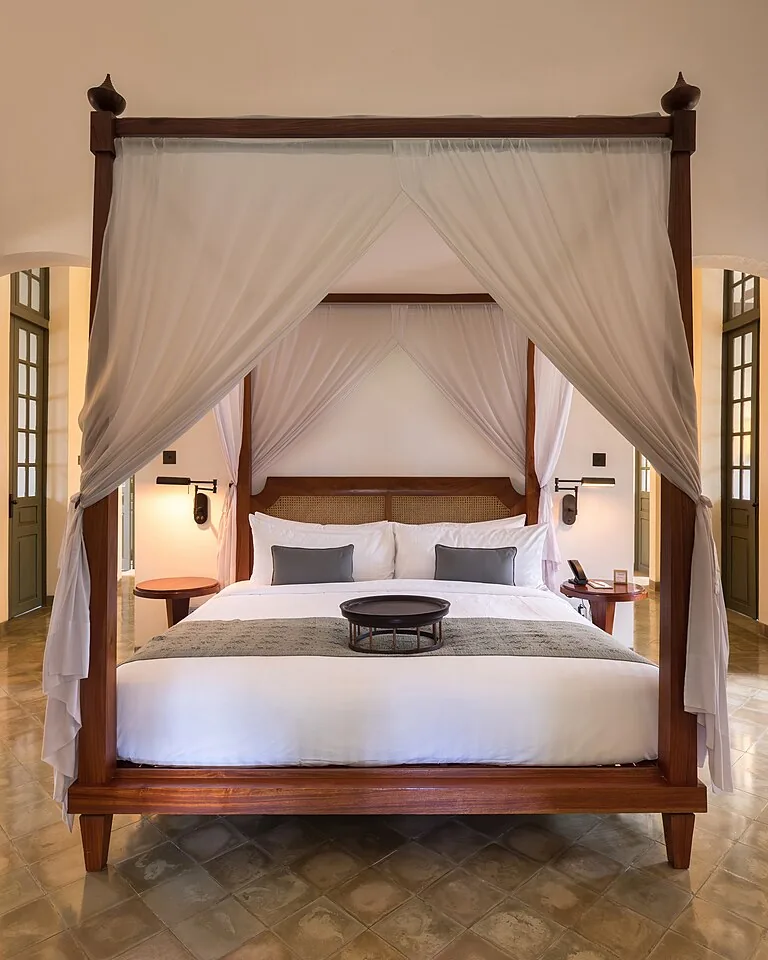
The bed is the centerpiece and the biggest shared purchase in the room. A king gives two adults real elbow room; a queen works in smaller rooms but leaves less margin. An upholstered headboard in velvet or linen adds comfort for reading in bed and gives the room a finished focal point.
Cost/difficulty: $300–$1,500+; the room’s biggest investment. Pro tip: if one partner runs hot, consider a split-top or dual-comfort mattress — different firmness or cooling per side ends more arguments than any decor choice.
4. Give Each Person a Real Nightstand
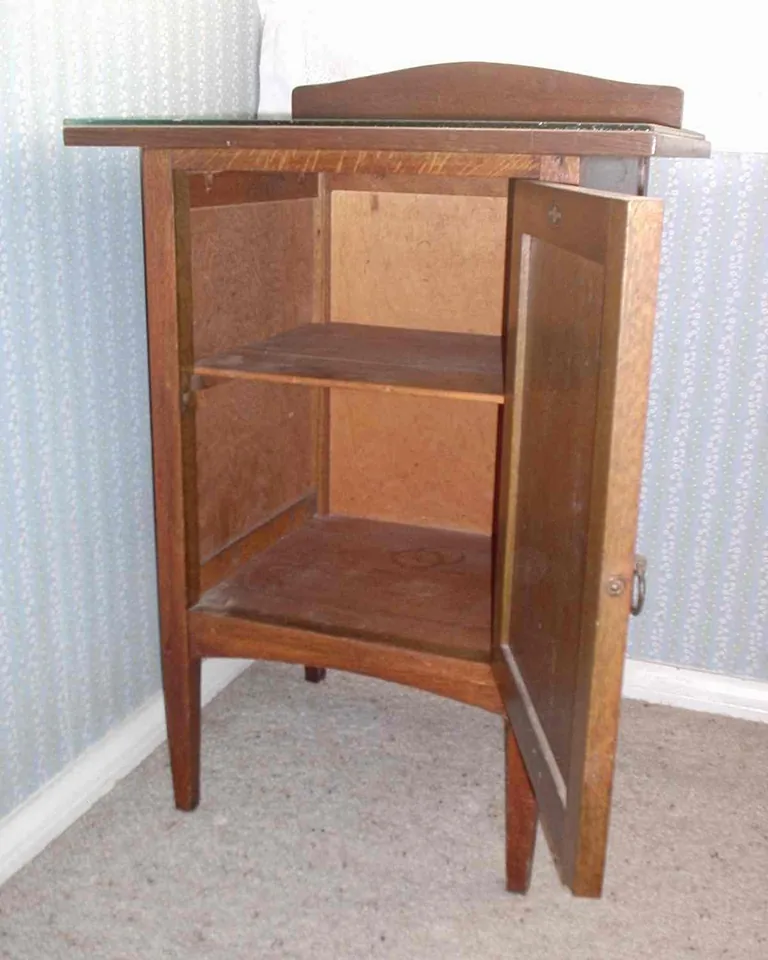
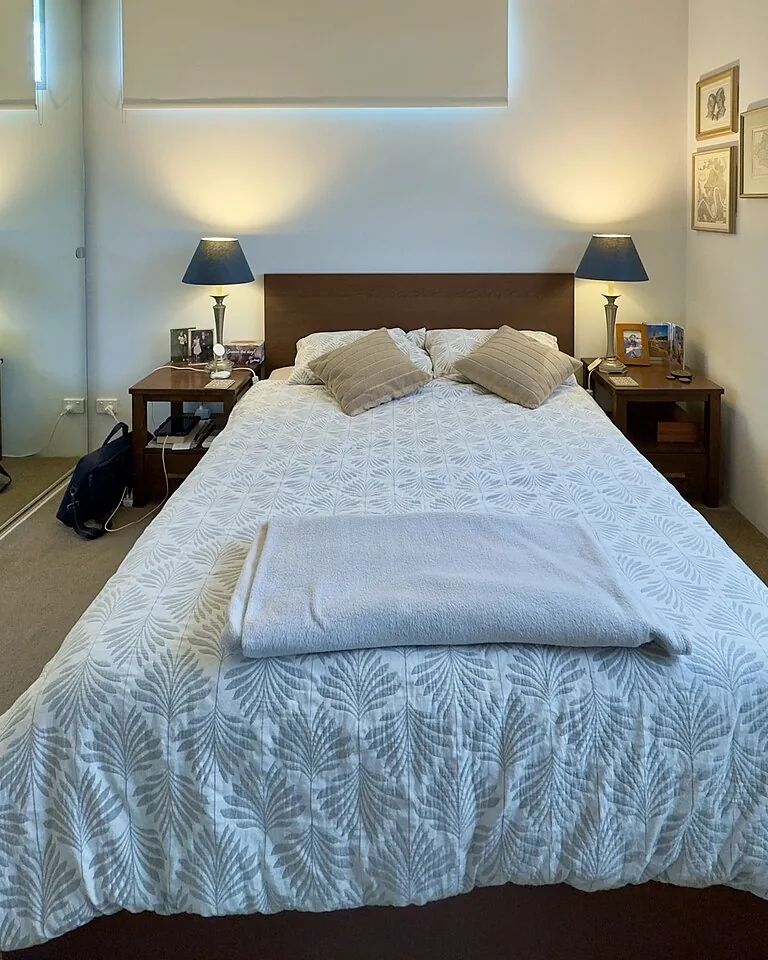
Two nightstands instead of one is the simplest way to say this room belongs to both of you. Each partner gets a lamp, a book, water, and a charging spot within reach — no negotiating. They do not have to match exactly; same height with different styles looks collected rather than chaotic.
Cost/difficulty: $60–$250 for the pair. Pro tip: choose nightstands with at least one drawer or shelf each — closed storage keeps the small surfaces calm, which matters when two people’s clutter shares one room.
5. Layer Textures Both of You Can Feel

Texture is the secret weapon when colors are restrained. Layer cotton or linen sheets with a chunky knit throw, velvet cushions against a leather bench, a soft rug underfoot on wood floors. Mixed textures make a neutral room feel rich and inviting instead of flat — and most people agree on comfort even when they disagree on color.
Cost/difficulty: $80–$200 for bedding layers. For a richer, moodier take, explore 12 moody bedding ideas layers. Pro tip: vary the scale: smooth sheets, nubby throw, plush rug. Three contrasting textures read as designed; two similar ones just look messy.
6. Light the Room in Layers, Not Just Overhead

Bright overhead lighting is harsh and uninviting in a bedroom. Build three layers instead: ambient (a dimmable ceiling fixture), task (bedside lamps or wall sconces for reading), and accent (an LED strip behind the headboard or art). Dimmers are the couple’s best friend — bright for getting dressed, low for winding down.
Cost/difficulty: $40–$150; dimmer switches are a 20-minute DIY. Pro tip: wall-mounted sconces free up nightstand space and let each partner control their own reading light without disturbing the other.
7. Build One Gallery Wall That Tells Your Story

Personal touches are what make a shared bedroom feel like yours instead of a hotel room. A gallery wall of framed photos from travels, wedding prints, or art you chose together gives both partners equal authorship of the space. Mix frame styles for a collected feel, but keep one unifying element — same mat color or a consistent spacing.
Cost/difficulty: $40–$120 for frames and prints. Pro tip: lay the arrangement on the floor first and photograph it — it is far easier to rearrange on carpet than on the wall.
8. Carve Out a Small Reading or Coffee Nook

Even in a shared room, each partner needs a corner that is theirs. A comfortable chair, a small side table, and a good lamp by the window create a reading nook for quiet mornings — and a bench at the foot of the bed gives the other partner a dressing spot. Personal zones prevent the room from feeling like it has no breathing room.
Cost/difficulty: $100–$300 for chair and table. Pro tip: in a small bedroom, one shared nook still works — the point is a defined spot for non-sleep activities, not two of everything.
9. Solve the Storage Fight With His-and-Hers Zones

Nothing strains a shared bedroom like one overflowing closet. Designate zones: his side and her side of the closet with double hanging rods, a dresser split down the middle, or separate drawer stacks entirely. Drawer dividers and labeled baskets handle the small stuff that otherwise migrates everywhere.
Cost/difficulty: $50–$200 for organizers. Pro tip: a bed with built-in drawers or lift-up storage absorbs the overflow — seasonal clothes and extra bedding — that closets in older homes cannot hold.

10. Design for Different Sleep Needs
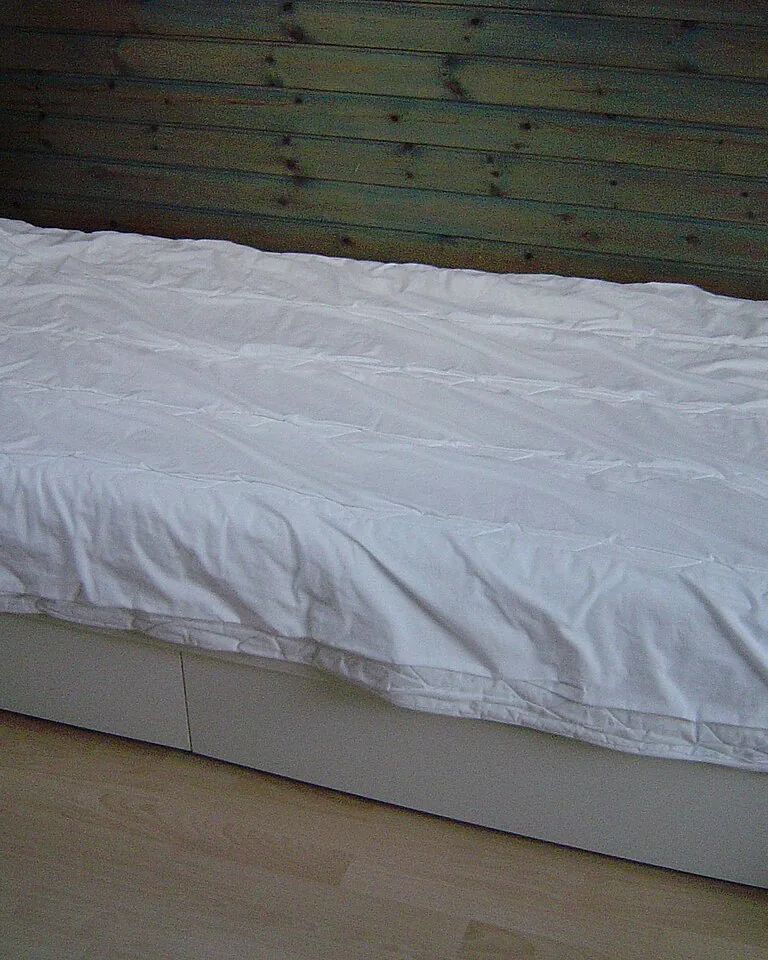
Couples rarely sleep identically: one runs hot, one runs cold; one reads until midnight, the other sleeps at ten. Plan for it — separate blankets on one bed (the Scandinavian sleep method) ends the blanket war, a white-noise machine covers different schedules, and blackout curtains plus a sleep mask protect the early sleeper.
Cost/difficulty: $30–$100. Pro tip: two twin XL comforters in matching duvet covers look like one intentional bed but sleep like two — the single most underrated couple-bedroom upgrade.
11. Add Romance on Purpose — Without the Clichés
Romance in a shared bedroom comes from atmosphere, not themed decor. Scented candles or a diffuser, linen spray on the pillows, soft warm lighting, and one luxurious textile — a velvet throw, silk pillowcases — do more than any heart-shaped anything. Keep it subtle and it stays stylish. For the whole house, try these natural home fragrance ideas that skip harsh sprays entirely.
Cost/difficulty: $30–$80. Pro tip: pick one signature scent for the room and stick with it; scent memory is powerful, and a consistent fragrance makes the bedroom feel like a retreat the moment you walk in.
12. Keep Technology Tidy and Agreed-Upon
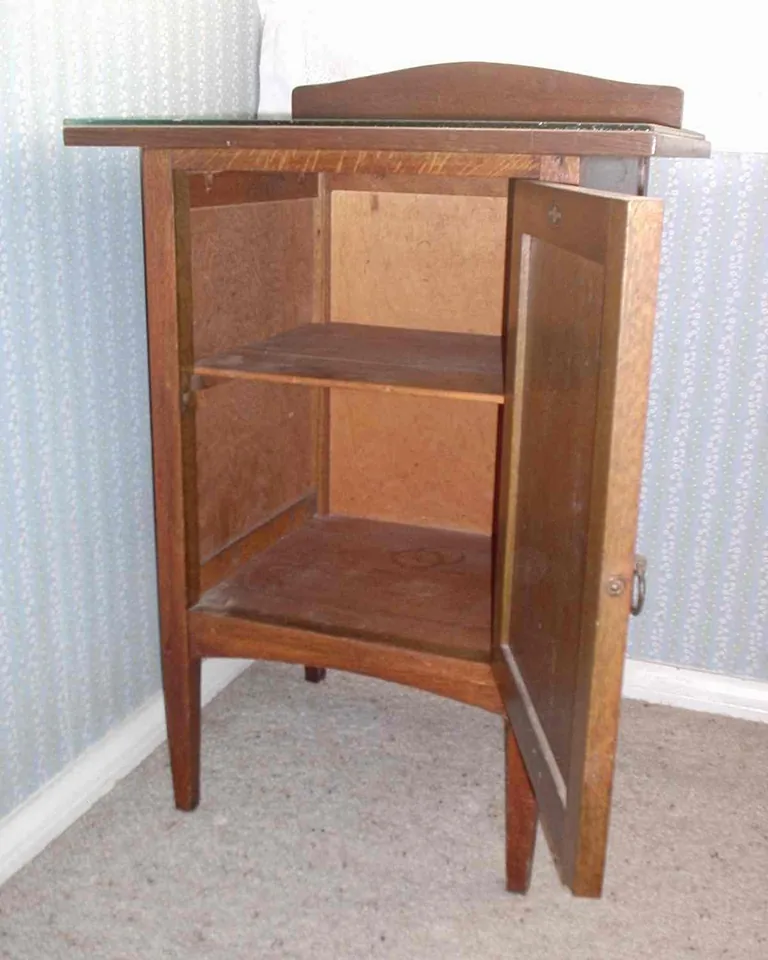
Phones, chargers, and cables multiply by two in a couple’s bedroom — and so does the visual clutter. Set up a dual charging station inside one nightstand drawer or on a small tray, manage cables with clips or a cord box, and agree on a screen rule for bedtime. Tech that is hidden keeps the room calm; tech that is negotiated keeps the peace.
Cost/difficulty: $20–$50. Pro tip: smart bulbs on a schedule can fade the lights at bedtime automatically — one less thing to disagree about, and genuinely easier on sleep.
Frequently Asked Questions
How do you decorate a bedroom when a couple has completely different tastes?
Start with a neutral base — walls, large furniture, bedding — that neither partner dislikes, then let each person own accents: his color on his pillows, her art on her side. The 80/20 rule works well: 80 percent shared and neutral, 20 percent personal. Compromise on the big pieces, express yourselves in the small ones.
What colors work best in a husband and wife bedroom?
Calming neutrals — warm beige, soft gray, creamy white — with muted blues or greens work for most couples because they feel serene without favoring one taste. Add depth with one deeper accent (navy, emerald, terracotta) in textiles. Avoid overly bright or stimulating colors on large surfaces; use them as accents instead.
How can we make a small bedroom comfortable for two people?
Choose multifunctional furniture — a storage bed, nightstands with drawers, a bench with compartments — and go vertical with tall wardrobes and wall shelves. Keep the palette light, use mirrors to bounce light, and give each partner defined zones so a small room never feels like one person’s space.
Should couples have matching nightstands?
Matching nightstands create symmetry and a calm, cohesive look, which suits most couples. But they do not have to be identical — same height and similar wood tones with different styles look intentional and let each partner’s personality show. What matters most is that both partners have one.
How do you keep a shared bedroom romantic but still practical?
Separate the jobs: storage and organization handle the practical side so the visible surfaces stay calm, then layer in atmosphere with dimmable warm lighting, soft textiles, and scent. A clutter-free room with good lighting feels romantic on its own — romance is mostly the absence of visual stress.

A husband and wife bedroom works when both people see themselves in it. Agree on the calm foundation, give each partner real estate — a nightstand, an accent, a corner — and solve the unglamorous stuff (storage zones, sleep differences, cable clutter) that actually causes friction. Do that, and the room stops being a compromise and starts being the favorite room in the house.